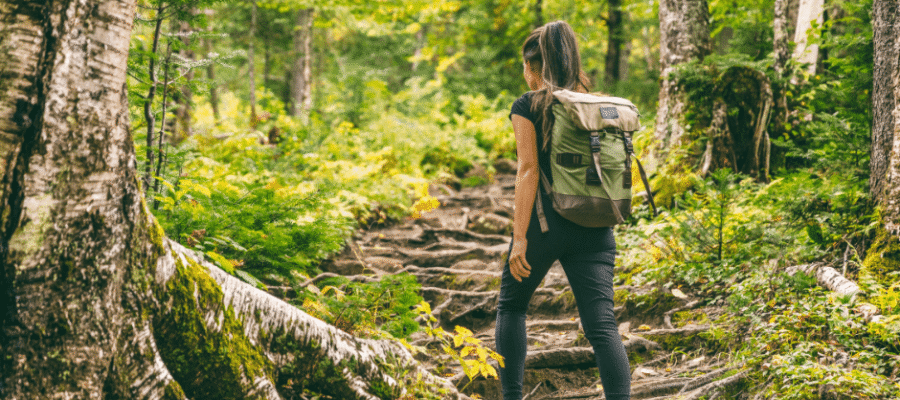
Pro Tip: It’s generally recommended that a fully loaded backpack should not exceed 10% of your body weight. Minimizing weight is crucial, as it will undeniably enhance your wilderness experience, making it more enjoyable and less strenuous.
Once you’ve selected the ideal backpack for your upcoming nature getaway, let’s explore how to maximize its internal space and compartmentalization features.
1. Prioritize the Main Compartment for Core Gear
This central area is where your most essential and bulky items belong. Think of your tent, sleeping bag, and spare clothing. Many backpacks are designed with dedicated internal sleeves or pockets specifically for these larger articles.
Effective weight distribution is key. Position the heaviest items, such as your sleeping bag, close to your back and at the bottom of the pack to maintain balance and comfort. Discover 10 valuable tips for preparing your backpack here.
Bradley Gosset / Unsplash
2. Utilize External Pockets for Quick Access Essentials
Items like water bottles, maps, trail guides, energy snacks, and your first-aid kit fall into this category. The benefit is straightforward: you won’t need to unpack your entire bag to retrieve them. Storing these in easily accessible external pockets or compartments allows for quick retrieval without halting your journey or disrupting your carefully arranged pack. This saves valuable time and effort, allowing you to immerse yourself fully in the joy of nature’s exploration.
3. Designate Space for Food and Cooking Supplies
If your trip involves cooking, ensure you have a specific section for food and kitchen utensils. To keep food fresh and prevent spills or contamination, it’s highly recommended to use sealed containers or airtight bags. This secure packaging will safeguard your provisions from moisture, insects, and potential leaks that could otherwise affect other items within your camping backpack.
4. Consolidate Electronics and Important Documents
While disconnecting in nature is rejuvenating, we understand that completely abandoning gadgets can be unrealistic. Should you opt to bring electronic devices or important documents like your phone, camera, or identification, it’s crucial to store them in a separate, protective compartment, shielded from moisture and potential damage.
Remember to consider the weight of your electronics! For instance, if professional photography isn’t the primary goal of your hike, a smartphone weighing under 200 grams can effectively replace an 800-gram DSLR camera, significantly reducing your load.
Noah Buscher / Unsplash
5. Pack a Separate Bag for Wet or Dirty Gear
Encountering rain or mud during your trip is common. Having a dedicated compartment for wet or soiled items, such as damp clothes or muddy boots, is incredibly practical. This ensures the rest of your gear remains clean and dry, preventing unpleasant odors or damage to other objects in your pack.
Waterproof dry bags or durable plastic bags (even heavy-duty trash bags) are excellent for sealing off wet equipment and preventing any moisture from seeping into the main compartment of your backpack.
6. Group Your Personal Care Items
Don’t forget to allocate a specific spot for personal care products like toiletries, medications, and other items you use regularly. This section should be easily accessible yet distinct from your main equipment. Depending on how frequently you need them, evaluate if external pockets are a more convenient storage solution.
7. Integrate Hydration Systems and Water Storage
While water was briefly mentioned earlier, its importance merits a dedicated step.
Whenever possible, water containers should be stored separately from other gear. It’s ideal if your backpack features a dedicated sleeve for a hydration reservoir and an external pocket for water bottles, ensuring quick access.
Easy and rapid access to water during extended excursions can truly transform your experience from a tiring struggle into a memorable and energized adventure.
Tip: As part of your trail planning, research available drinking water sources along your route. This information will help you determine the appropriate capacity and weight of the water container you’ll need for your journey.
In Conclusion,
A meticulously organized backpack empowers you to focus entirely on your adventure, free from gear-related frustrations. We trust that these seven steps have provided a clear framework for preparing your pack for your next wilderness escape.
It’s time to stop overthinking and start exploring! Embrace the beauty of nature and forge unforgettable memories.
Adventure awaits! (and you’re well-equipped) 🏕️