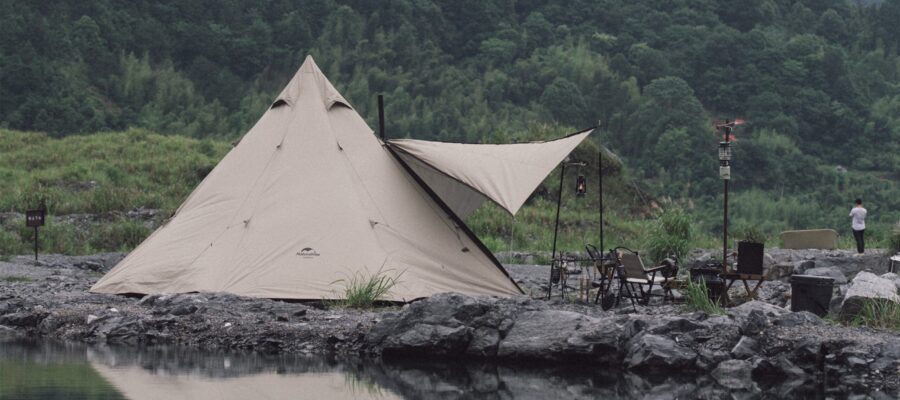
A well-prepared camping checklist is invaluable for any outdoor enthusiast. While some campers relish the challenge of minimalist adventures with only the bare necessities, others prefer to pack their vehicle with every imaginable comfort. Our philosophy strikes a harmonious balance: bringing all the essential gear alongside thoughtful comfort items – think a sturdy camp chair, a plush pillow, and the ingredients for a delightful campsite breakfast – for an unforgettable weekend escape into nature.
For casual car campers – those who appreciate the convenience of driving directly to their campsite rather than hiking or cycling in – the core essentials remain crucial: a durable tent, a warm sleeping bag, appropriate clothing for varying temperatures, sustenance, and a reliable light source. However, the beauty of car camping is the extra space it affords, allowing you to bring more than just the basics. To ensure you’re perfectly prepared and supremely comfortable, utilize this comprehensive car camping checklist as your guide to packing everything you need.
Campsite Setup & Shelter Essentials
Establishing your campsite effectively requires fundamental shelter items: a reliable tent, a comfortable sleeping bag, and an insulating sleeping pad to ensure restful sleep and warmth. Additional items like camp chairs and cushions significantly enhance your comfort. Before packing, always check the specific amenities available at your chosen campground. Many car camping sites provide a picnic table and a fire pit, and often sell locally sourced firewood.
Essential Shelter & Comfort Gear:
- Tent with rainfly, stakes, and footprint
- Sleeping bags (appropriate temperature rating)
- Sleeping pads or air mattresses
- Camp pillows
- Camp chairs and/or a camping bench
- Camp table (if not provided)
- Hammock (with straps) – Consider: How to choose the best hammock?
- Lantern or headlamps with extra batteries
- Firewood (purchase locally to prevent invasive species)
- Duct tape (for quick repairs)
- Storage bins or a camping wagon for easy transport
- Small axe or hatchet (for processing firewood, if permitted)
For optimal organization, consider packing your gear into durable storage bins, totes, or a dedicated camping utility wagon. This makes transportation from your vehicle to the campsite much easier.
Camp Kitchen & Cooking Essentials
While minimalist cooking can be achieved with little more than tin foil and a campfire (think delicious baked potatoes!), most campers prefer a more versatile setup. Whether you’re whipping up a gourmet taco dinner, a full pancake breakfast, or simply brewing a proper cup of coffee, you’ll want to bring along specific essential items for both cooking and efficient cleanup at your campsite.
Key items for your camp kitchen:
- Cooler with ice or ice packs
- Camp stove and fuel
- Pots, pans, and cooking utensils
- Plates, bowls, cups, and cutlery
- Biodegradable soap and sponge
- Trash bags and recycling bags
- Large water jug or container (if no potable water source)
- Grill grate and charcoal (if using a barbecue)
- Cutting board and knife
- Bottle opener and can opener
- Tablecloth or mat
- Potholders
- Food storage containers (bear-safe if required)
- Lighter/matches
Clothing & Footwear
- Hiking boots or sturdy closed-toe shoes
- Comfortable camp shoes or sandals
- Plenty of socks (wool or synthetic)
- Quick-drying pants or shorts
- Layers of shirts (short and long-sleeved)
- Warm jacket or fleece
- Rain jacket and rain pants
- Hat for sun protection or warmth
- Sleepwear
Always consider the season, local climate, and the most up-to-date weather forecast when packing your apparel. To maximize space in your duffel or pack, roll your clothes tightly instead of folding them. If your chosen campsite offers laundry facilities or you’re traveling with a caravan equipped with a washer and dryer, you might pack lighter and plan to do laundry. Otherwise, prepare for at least two changes of clothing per day, as outdoor adventures often lead to more dirt, sweat, and food stains than your typical day at home.
Hygiene & Toiletries
Maintaining personal hygiene during a camping trip can present challenges, but it’s crucial for your health and comfort. Tailor your hygiene and toiletry list to the facilities available at your campsite, such as public restrooms, private outhouses, access to clean water, and electricity.
Campsite Cleanup
Thoroughly cleaning your cooking area after meals and tidying up your campsite at the end of each day is vital to deterring insects and preventing encounters with local wildlife. Always store food and scented items securely, and never leave garbage bags unattended or exposed overnight.
First Aid & Safety
Among the most critical safety items you should always have readily accessible is a comprehensive first-aid kit. Ensure all first-aid supplies are stored in a waterproof, easily portable container. Customize the kit’s contents to address the specific health needs and potential risks for yourself and your family.
This comprehensive car camping checklist aims to enhance your outdoor experience, ensuring you’re well-equipped for a comfortable and enjoyable tent adventure.
Weather Considerations
Weather variability significantly impacts any camping trip. Always check the long-range and short-term weather forecasts leading up to your departure. This crucial step allows you to make preventative preparations and pack appropriate gear for expected conditions, ensuring comfort and safety.
Location Awareness
Prior to visiting any new camping destination, thoroughly research the local environment, typical climate patterns, and any specific regulations or wildlife concerns. Understanding these factors will help you prepare adequately and minimize your impact.
Miscellaneous Items
- Insect repellent or bug spray
- Sunscreen and lip balm
- Prescription medications and any personal medical necessities
- Map and compass or GPS device
- Multi-tool or knife
- Portable power bank for devices
- Entertainment (books, cards, games)
- Camera
- Binoculars