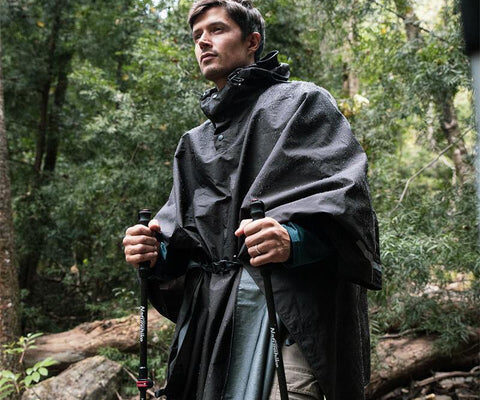
For dedicated outdoor enthusiasts, adverse weather conditions like rain, snow, or strong winds often present just another exciting challenge. However, tackling a rainy day hike or backpacking trip demands meticulous preparation and strict adherence to safety guidelines to ensure both comfort and security.
Essential Backpacking Gear for Wet Weather
- Waterproof/Water-Resistant Outerwear (Jacket & Pants)
- Waterproof Hiking Boots
- Backpack Rain Cover
- Trekking Poles
- Quick-Drying Base Layers
- Waterproof Map Case or Digital Navigation Device
Key Strategies for Backpacking in the Rain
- Prioritize Staying Warm and Dry
- Ensure Accessible Hydration and Nutrition
- Avoid Using an Umbrella for Safety
- Exercise Caution on Slippery Terrain
- Implement Thunderstorm and Lightning Safety Protocols
- Maintain Proper Visibility with Headlamps or Torches
1. Prioritize Staying Warm and Dry
The paramount concern during rainy excursions is preventing moisture penetration and maintaining your body temperature. Exposure to rain and cold can quickly lead to hypothermia, making warmth and dryness critical.
Your primary defense consists of a robust waterproof shell (jacket and pants) and high-quality waterproof trekking boots. In addition to your outer layers, wearing moisture-wicking and quick-drying base layers is highly recommended. Avoid cotton garments at all costs, as cotton absorbs moisture and loses all insulating properties when wet.
Regardless of your trip’s duration, it’s wise to pack at least one complete set of dry reserve clothes, stored in a waterproof dry bag. You can add extra layers as needed depending on temperature and exertion levels.
2. Ensure Accessible Hydration and Nutrition
Keep your prepared food and drinking water in easily accessible pockets or the top lid of your backpack. This arrangement allows you to refuel and rehydrate quickly without needing to expose the main compartment of your pack to the rain, thus keeping your other gear dry. When taking a break, avoid fully removing your backpack’s rain cover unless absolutely necessary, and be mindful of lingering rainwater on foliage that might drip onto your opened pack.
3. Avoid Using an Umbrella for Safety
Using an umbrella during a challenging outdoor excursion is both impractical and dangerous. It occupies one of your hands, compromises your balance, and can easily snag on branches or be caught by strong winds, especially on uneven forest trails or exposed mountain terrain. For serious hikers and backpackers, an umbrella is a significant safety hazard in the wilderness.
Professional-grade rain gear, typically a full-body rain suit or a waterproof jacket and pants, is the preferred solution. When hiking, ensure your waterproof jacket’s hood is securely tightened, and your cuffs are snug. If your rain pants are shorter or your boots aren’t high-cut, consider wearing gaiters to prevent rainwater from flowing into your shoes.
4. Exercise Caution on Slippery Terrain
Rainy conditions inevitably lead to slippery paths. Extreme caution is vital, especially when traversing mountainous terrain where moss, mud, and algae can make rocks exceptionally slick. Focus on placing your feet deliberately and maintaining a slow, steady pace. When possible, stay closer to the uphill side of the trail to minimize the risk of a dangerous slide.
In group settings, if the trail becomes indistinct or visibility drops, clear communication is paramount. The lead hiker should consistently mark the path, and the last person in the group should confirm everyone is accounted for, using careful judgment to avoid any member getting separated or lost.
5. Implement Thunderstorm and Lightning Safety Protocols
The most crucial safety measure during outdoor storms is to seek immediate shelter and take preventative actions. If caught in a thunderstorm:
- **Disconnect and Stow Electronics:** Power off all electronic devices, including mobile phones, and stow away any metal objects like trekking poles, knives, or cooking equipment. Even mildly conductive items can increase your risk.
- **Avoid Tall, Isolated Structures:** Do not seek shelter under isolated tall trees (especially those with open branches), high buildings (like towers), or next to old, wet structures. These can attract lightning.
- **Seek Low Ground:** Move away from high points, open fields, and areas prone to flash flooding.
- **Assume the Lightning Position:** If no safe shelter is available, crouch low to the ground with your feet together, minimizing your contact area with the earth. Do not lie down, as this increases your surface area.
- **Distance from Trees:** If you must be near trees, maintain a distance of at least 3 meters from any trunk.
6. Maintain Proper Visibility with Headlamps or Torches
Headlamps and torches are non-negotiable for any outdoor excursion, but they become absolutely critical on rainy days. Overcast skies and rain drastically reduce natural light, making trails darker much earlier than usual. Reliable lighting prevents falls on slick paths, helps you identify hazards, and ensures you stay on track, preventing disorientation or getting lost, especially as dusk approaches.

Summary & Post-Hike Gear Care
The quick-drying capacity of your equipment is vital, both during and after your trip. Ensuring your gear can dry efficiently helps you stay comfortable, prevents chilling from wet clothes, and prepares you for subsequent adventures.
After your rainy hike, proper care of your equipment is essential. Allow your waterproof hiking boots to air dry naturally in a shaded, well-ventilated area. Avoid direct sunlight or artificial heat sources, as these can accelerate the oxidation of rubber and degrade the adhesives in your boots. For clothing, gently shake off excess water and wipe down any remaining drops with a soft cloth before hanging them to air dry. This extends the lifespan of your gear and keeps it ready for your next outdoor challenge.