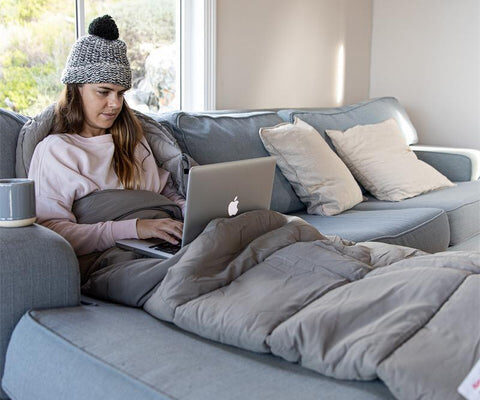
Selecting the right sleeping bag is paramount for any successful camping trip. It’s more than just a piece of outdoor gear; it’s a crucial component that directly impacts your comfort, quality of rest, and even your safety during wilderness adventures. A well-chosen sleeping bag can make the difference between a restful night and a miserable, potentially dangerous, experience.
The ideal sleeping bag for you will depend entirely on your personal preferences, the type of trips you undertake, your physical size, and various other factors unique to your camping style.
1. Understanding the Temperature Rating (EN13537)
The European standard EN13537 provides a clear set of temperature data, typically represented by four key figures, to help you determine if a sleeping bag meets your specific needs.
Upper Limit:
This is the highest temperature at which an average man can sleep comfortably without feeling excessively warm, often with arms outside the bag for ventilation.
Comfort Rating:
This indicates the lowest temperature at which an average woman can sleep in a relaxed posture without feeling cold. This is generally the most important rating for most users.
Lower Limit:
This is the lowest temperature at which an average man can sleep for eight hours without being woken by the cold, typically in a curled-up position.
Extreme Rating:
This represents the minimum survival temperature for an average woman, indicating the point at which there is a risk of hypothermia. This rating is for emergency survival and not for comfortable use.
For instance, consider a sleeping bag like our CW300 Mummy Sleep Sac. Its labels might show: Comfort (red): 9℃, Limit (orange): 4℃, Extreme (blue): -10℃. This implies that the bag is designed for comfortable use down to 9℃ for women and 4℃ for men, with a survival limit at -10℃. Always prioritize the comfort rating when making your selection.
Therefore, when browsing sleeping bags, always consult the temperature label first to ensure it aligns with the expected conditions of your trips.
2. Sleeping Bag Shape and Design
Sleeping bags primarily come in three shapes: mummy, rectangular (or square), and semi-rectangular/quilt variations.
A mummy-shaped bag, in identical conditions, offers superior warmth retention compared to other designs due to its snug fit that minimizes air pockets. However, this close fit often comes at the cost of restricted movement and overall comfort.
Heat Retention (Warmth):
Mummy > Rectangular > Quilt/Pocket
Comfort (Spaciousness):
Rectangular > Quilt/Pocket > Mummy
3. Types of Sleeping Bags
Different camping scenarios call for different types of sleeping bags:
Traditional / All-Season Sleeping Bags:
These versatile bags often feature full zippers and an integrated hood, making them suitable for three-season outdoor activities. They strike a good balance between warmth, weight, and features.
Lightweight / Ultralight Sleeping Bags:
Designed for minimal weight and pack size, these bags are ideal for backpackers and thru-hikers where every ounce matters. They maximize warmth-to-weight ratios but can be more expensive.
Car Camping / Family Sleeping Bags:
Often bulkier and heavier, these bags prioritize comfort and affordability. They are perfect for car camping trips where weight and packed size are not primary concerns, offering ample room to move.
Women’s Specific Sleeping Bags:
Tailored to women’s physiology, these bags typically feature extra insulation in areas like the foot box and torso, a slightly different shape, and appropriate sizing for a better fit and warmth.
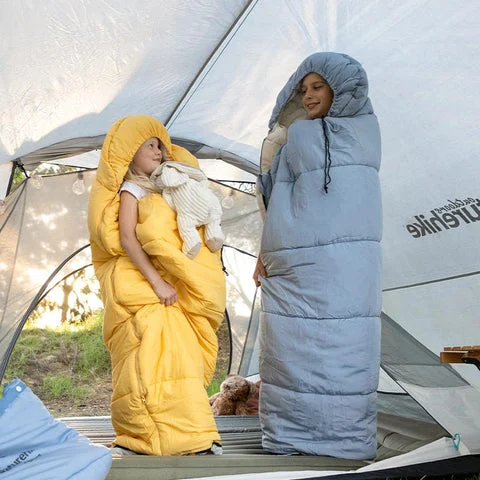
Children’s Sleeping Bags:
Similar to women’s specific bags, these are scaled down in size and often have features like internal cinches or shorter lengths to prevent cold spots and improve warmth retention for younger campers.
4. Sleeping Bag Filling Material
The insulation inside your sleeping bag significantly impacts its warmth, weight, and performance.
Down Insulation:
Down is primarily sourced from geese and ducks.
Generally, a higher fill volume (or loft) of down corresponds to superior heat retention for a given weight. Down insulation consists of a mix of feathers and the fluffy down clusters. Feathers provide structure, while down clusters are excellent at trapping warm air. Goose down typically boasts a higher down-to-feather ratio (90-95%) than duck down (85-90%), making goose down warmer and often more resistant to moisture.
Fill Power: This metric measures the loft or fluffiness of down. A higher fill power number (e.g., 800-fill vs. 600-fill) indicates that one ounce of down lofts to a greater volume, providing more warmth for its weight and making the bag more compressible.
Synthetic Material Insulation:
Common synthetic fills include spray cotton, four-hole/seven-hole hollow fiber, 3M Thinsulate, and various 3D/HV polar cotton types.
A key advantage of synthetic insulation is its ability to maintain a significant portion of its insulating properties even when wet. However, synthetic bags are generally heavier and less compressible than their down counterparts for the same warmth rating.
Therefore, synthetic sleeping bags are an excellent choice for humid environments, rainy conditions, or for campers who may struggle to keep their gear completely dry.
5. Additional Tips for Optimal Sleeping Bag Performance
To maximize your sleeping bag’s effectiveness and longevity, keep these suggestions in mind:
- Maintain Dryness: Always strive to keep your sleeping bag dry. Wet insulation, especially down, drastically loses its thermal efficiency. In damp or rainy conditions, store your bag in a waterproof stuff sack. If a down bag gets wet, dry it as thoroughly and quickly as possible.
- Lifespan: A high-quality down sleeping bag can last up to 10 years or more with proper care. Synthetic bags typically have a shorter lifespan, usually around 3-4 years, before their insulation starts to break down.
- Cleaning: Wash down sleeping bags every few years (e.g., every 4 years, up to 3 washes total) using a specialized down cleaner. Synthetic bags are generally easier to clean and can often be washed in a large washing machine with mild detergent.
In Conclusion
The market offers a vast array of sleeping bags, each designed for specific purposes and conditions. When making your choice, remember that the most expensive option isn’t always the best. The perfect sleeping bag is one that is specifically suited to your individual needs, the type of outdoor activities you enjoy, and the environments you’ll encounter. Prioritize suitability and comfort above all else.