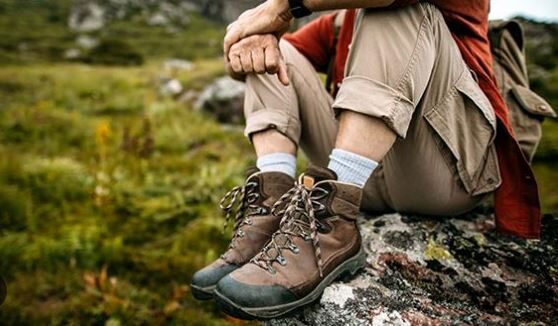
Selecting the right outdoor footwear is paramount for any adventure, but with so many options, how do you make the best choice? This comprehensive guide will provide practical advice and insights to help you find the ideal camping and hiking shoes for your needs.
Historically, outdoor adventurers relied on simpler designs, often crafted from robust materials like layered leather and wool. However, today’s market is dominated by high-tech, fashion-forward designs that blend advanced materials with ergonomic functionality. What was once basic utility has evolved into specialized equipment, offering superior comfort, protection, and performance tailored for various outdoor pursuits.
Modern outdoor footwear boasts clear design objectives, with each brand and shoe type engineered for specific activities and environments, providing unmatched support and durability for every explorer.
Key Categories of Outdoor Footwear
- Heavy Mountaineering Boots
- Rigid Climbing & Alpine Boots
- Medium Backpacking Boots
- Trekking & Hiking Shoes
- Field & Approach Shoes
Heavy Mountaineering Boots
Heavy mountaineering boots are specifically engineered for challenging snow-capped peaks and glacial terrains. They typically feature exceptionally durable outsoles, often Vibram or Skywalk, incorporating a rigid steel plate lining for superior impact resistance. These boots are designed to accommodate automatic crampons and boast a high-cut design (around 30 cm) for maximum ankle support and protection.
Constructed from robust materials such as hard plastic resin or thick, premium leather (cowhide, sheepskin), and often lined with thermal insulation, these boots offer unparalleled protection for your feet against the brutal conditions of snow, ice, and rocky environments.
Rigid Climbing & Alpine Boots
Rigid mountaineering boots are tailored for alpine challenges at altitudes below 6,000 meters, making them suitable for ice climbing, mixed rock and snow routes, and technical ascents. Their wear-resistant outsoles (Vibram or Skywalk) often integrate an organic carbon plate in the midsole, enhancing rigidity for optimal climbing performance and crampon compatibility.
The uppers are crafted from thick, usually 3mm, single-piece leather, providing exceptional durability. To ensure waterproofness and breathability, they commonly feature linings made from advanced materials like Gore-Tex or SympaTex, often paired with an insulating layer for warmth. With a collar height of approximately 15 cm, these boots offer substantial ankle protection, minimizing injury risk in demanding conditions. Many styles are designed for semi-automatic or strap-on crampons, offering a balance of stiffness and comfort that makes them more versatile than their heavier counterparts when not using crampons.
Medium Backpacking Boots
Ideal for diverse and challenging landscapes such as low mountains, canyons, deserts, and arid plains, medium backpacking boots are also perfectly suited for extended treks and long-distance excursions. These high-cut boots, typically featuring a 5-10 cm collar height, provide robust ankle support, significantly reducing the risk of sprains and injuries.
They utilize durable rubber outsoles, with many premium brands incorporating a nylon plate within the midsole for enhanced rigidity. This design not only prevents sole deformation but also improves impact absorption and stability. The uppers are often crafted from medium-thickness cowhide, sheepskin, or a blend of leather and synthetic fabrics like Cordura. Cordura offers a lighter, more flexible alternative compared to the stiffer materials used in alpine boots. To ensure waterproofing, most of these boots are lined with Gore-Tex, enabling them to handle wet conditions, including shallow water crossings and rainy days, keeping your feet dry and comfortable.
Trekking & Hiking Shoes
Trekking and hiking shoes are among the most popular choices for outdoor enthusiasts, perfect for short to medium-distance excursions with light loads, navigating moderate trails, jungles, general travel, or casual camping. Their design typically features a lower cut, with ankle protection structures usually below 15 cm.
The outsoles are made from wear-resistant rubber, while the midsoles often combine microcellular foam with double-layer density rubber for cushioning. High-quality models may include a plastic plate laminated into the outsole, providing superior impact resistance and stability. Uppers are constructed from full-grain leather, split leather, or blended synthetic materials.
Some models integrate Gore-Tex for waterproofing, while others prioritize breathability without a waterproof membrane. The main advantages of these mid-range shoes are their lightweight nature, flexibility, comfort, and excellent air permeability. For simpler terrains and environments, their comfort and versatility often surpass those of heavier, higher-cut boots.
Field & Approach Shoes
Field shoes, often referred to as approach or trail shoes, are primarily designed for comfort, breathability, and versatility, whether for casual wear around camp after a long hike or for tackling simpler outdoor activities. These are a subset of outdoor trekking footwear, characterized by their ability to meet the demands of less strenuous outdoor pursuits, offering essential features like waterproofing and breathability.
A crucial component of field shoes is their sole design. Professional outdoor field shoes feature high-quality rubber outsoles with excellent non-slip properties, superior shock absorption, and a well-defined lug pattern that ensures strong grip and stability on various surfaces. The design often incorporates a single-density EVA midsole for lightweight cushioning and a snug fit, enhancing foot-wrapping comfort. Microporous absorbent fabrics further boost overall comfort. When engaging in outdoor activities, where energy consumption is a factor, the right footwear design, including effective cushioning and traction, becomes critical for a comfortable and stable camping experience.
Key Considerations When Choosing Camping & Hiking Footwear
- Shoe Collar Height
- Upper Materials and Fabric Technology
- Outsole Design and Traction
In the realm of outdoor sports, a comfortable and functional pair of shoes is indispensable. With a vast array of hiking and camping footwear available, selecting the perfect pair can feel overwhelming. The most effective approach is to align your choice with your primary needs, considering the specific activities you’ll undertake and the prevailing seasonal conditions to ensure you acquire the most suitable outdoor shoes for your adventures.
Shoe Collar Height
Low-cut shoes are celebrated for their lightness and flexibility, often representing the entry-level option in outdoor footwear. They are perfectly adequate for well-maintained trails and gentle terrain. However, if your adventure involves uncertain or rugged environments, high-cut boots are highly recommended. Their elevated design provides superior ankle support and protection, significantly reducing the risk of injury when navigating challenging terrain.
Upper Materials and Fabric Technology
Gore-Tex is a renowned name in outdoor fabric technology, famed for its waterproof and breathable properties. Many other brands have developed their proprietary membrane technologies, often with similar functionality to Gore-Tex. While these advanced fabrics offer excellent protection for serious outdoor activities, shoes featuring such membranes can be more expensive and may offer less breathability for everyday wear. Therefore, they are primarily recommended for genuine outdoor expeditions where their specific benefits are truly needed.
Outsole Design and Traction
The varied patterns and lugs on a shoe’s sole are not merely aesthetic; they are meticulously designed for specific functions. Rougher, more demanding terrain necessitates a harder outsole, with some robust outdoor shoes even incorporating steel plate-like materials for enhanced support and protection. These distinct patterns reflect each brand’s design philosophy, critically ensuring optimal grip and stability on diverse surfaces. High-quality outdoor footwear often features a Vibram non-slip sole, synonymous with superior traction.
It’s important to remember that feet tend to swell during physical activity, and gravity can cause feet to press forward when descending. Therefore, it’s advisable to choose camping shoes that are slightly larger. When trying them on, wear thick cotton socks and ensure that with the laces untied, your toes comfortably touch the front, and you can still fit one finger behind your heel. This ensures proper sizing for comfort during your adventures.
Additional Advice for Outdoor Footwear
- The Importance of Breaking In Your Boots
- Waterproofing and Breathability Matter Most
The Importance of Breaking In Your Boots
Like any new equipment, outdoor footwear requires a break-in period. If you’re planning a long trek, it’s crucial to wear your new boots beforehand. Lighter to medium-weight outdoor shoes, typically around 2 kg, should be worn for 1-2 weeks, covering several dozen kilometers. Heavier boots, weighing between 3 and 5 kg, may require 3-6 weeks of breaking in. This process allows the footwear to mold to your feet, preventing discomfort and potential injuries during your actual journey.
Waterproofing and Breathability Matter Most
In the great outdoors, encountering wet conditions is almost inevitable, and prolonged activity leads to foot perspiration. The discomfort of wet feet can significantly dampen your experience. Therefore, investing in outdoor shoes with excellent waterproof and breathable performance is highly recommended. Many top-tier outdoor shoes achieve their enduring waterproofness and superior breathability through Gore-Tex membranes.
These specialized membranes boast over 1.4 billion microscopic pores per square centimeter. These pores are approximately 20,000 times smaller than a single drop of water, effectively preventing external moisture from penetrating the shoe. Simultaneously, they are about 700 times larger than water vapor molecules, allowing sweat to escape from inside the shoe. This innovative design ensures that your feet remain dry and comfortable, even when immersed in water, maintaining optimal foot health throughout your adventures.