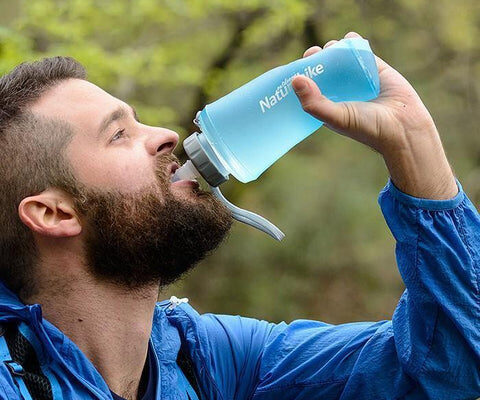
Ensuring adequate hydration is paramount for the success and safety of any outdoor excursion. Relying solely on natural water sources can be unreliable and insufficient, potentially leading to dehydration and a host of related issues.
Therefore, investing in a high-quality camping water bottle is crucial to prevent common pitfalls. But with so many options available, how do you select the perfect one for your wilderness adventures?
- Leak-proof reliability
- Effortless portability
- Optimized functionality
Leak-Proof Reliability
The concept of “no loss” in a water bottle encompasses two vital aspects: durability and secure containment. The unpredictable nature of outdoor environments means bumps and drops are inevitable. A water bottle that isn’t robust enough risks structural failure, rendering it useless or, worse, a hazard.
Equally critical is a reliably sealed opening. A compromised seal won’t just lead to the wasteful loss of precious drinking water; it can also drench your clothing and essential gear. In challenging conditions, wet equipment or supplies can transform a minor inconvenience into a life-threatening situation.
Effortless Portability
The versatility of a camping water bottle demands excellent portability. Whether you’re cycling rugged trails, scaling rock faces, or trekking through dense forests, your hydration solution needs to integrate seamlessly with your activity and gear.
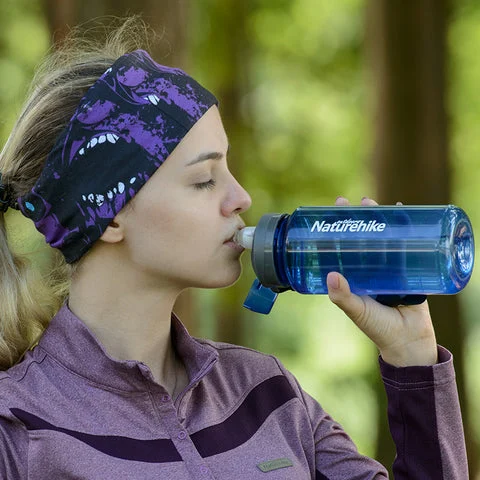
Soft-material containers, like flexible hydration bladders and collapsible bottles, offer a distinct advantage here. Their ability to conform to available space and reduce in volume as water is consumed is invaluable for optimizing space within an already packed backpack.
Optimized Functionality & Design
Given the diverse and often unpredictable nature of outdoor activities, a water bottle’s design must offer exceptional adaptability. For scenarios where only one hand is free – such as climbing or navigating challenging terrain – a bottle engineered for single-handed or even teeth-assisted opening and closing becomes critically important for user convenience and safety.
For group outings, family camping, or picnics, collapsible or larger capacity containers prove highly practical, efficiently meeting the hydration demands of multiple individuals. Furthermore, for extreme environments like high altitudes or freezing polar regions, an insulated water bottle is indispensable, preventing your water from freezing and providing peace of mind.
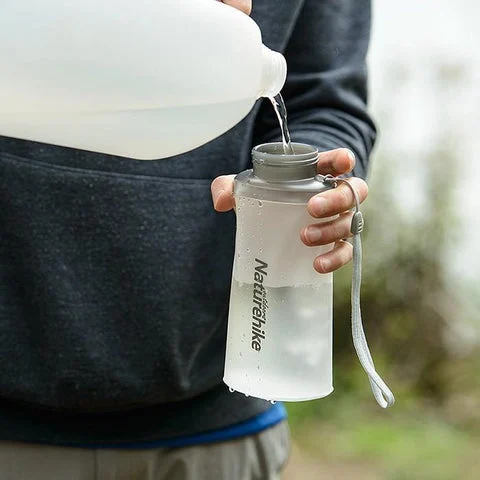
Modern sports water bottles have become a staple for outdoor enthusiasts, prized for their durability, safety features, ergonomic comfort, and the wide array of colors and styles available to suit personal tastes. The challenge, therefore, lies in selecting a sports bottle that ensures a comfortable, easily accessible, and secure drinking experience.
Understanding Water Bottle Materials
The material of your water bottle significantly impacts its performance, safety, and longevity. Here’s a breakdown of common options:
- Flexible Plastics
- Rigid Plastics
- Aluminum
Flexible Plastics
Many of the opaque, flexible plastic water bottles, particularly those common for cycling, are crafted from this category of materials. Typically, a small triangular recycling symbol with a number from 1 to 7 inside can be found on the bottom of plastic containers, each denoting a specific polymer with unique properties and usage guidelines.
Soft, flexible plastic bottles often utilize High-Density Polyethylene (HDPE, marked with “2”) or Low-Density Polyethylene (LDPE, marked with “4”). HDPE (“2”) is quite stable and can withstand temperatures up to 120 degrees Celsius. However, LDPE (“4”) is less heat-tolerant; it should not be filled with boiling water, and its maximum temperature should not exceed 80 degrees Celsius, as higher temperatures risk leaching potentially harmful plasticizers that the human body cannot process. Such bottles can also retain an undesirable rubbery odor.
Rigid Plastics
Rigid plastic bottles generally exhibit greater resistance to both heat and cold. When examining these, again, check the bottom for the triangular recycling symbol; often, you’ll find the number “7” within it. This “7” typically denotes Polycarbonate (PC), a transparent and impact-resistant plastic widely used for water bottles, eyewear, and other containers.
Despite its durability, PC water bottles have a significant drawback: when heated, they can leach Bisphenol A (BPA), an endocrine-disrupting chemical known to have adverse health effects. For this reason, many consumers now opt for BPA-free alternatives.
Aluminum Water Bottles
Premium aluminum water bottles often feature an internal liner or coating. This lining serves a dual purpose: to inhibit bacterial growth and to prevent direct contact between the aluminum and liquids, especially acidic ones like juice or soda, which can cause the aluminum to leach harmful chemicals. There have also been concerns about aluminum reacting with hot liquids to form potentially carcinogenic substances.
However, pure aluminum is inherently a softer metal, making it susceptible to dents and deformation from impacts. While minor cosmetic damage might not impede function, the primary concern is damage to the interior coating. If this protective layer is compromised or cracks, it loses its efficacy, essentially exposing the aluminum and negating its protective benefits.
Regrettably, some of these synthetic internal coatings have also been found to contain BPA, which should be a consideration for health-conscious buyers.
Popular Outdoor Water Bottle Types
Beyond material, specific designs cater to different outdoor needs:
- Metal Water Bottles (e.g., Stainless Steel)
- Aluminum Sports Bottles
Metal Water Bottles (e.g., Stainless Steel)
- High-quality metal water bottles often incorporate specialized structural reinforcements, particularly at the base, to significantly resist deformation and damage from accidental drops.
- Advanced manufacturing techniques, such as variable wall thickness, are sometimes employed. This involves making the main body thinner to reduce overall weight while strategically thickening the material at the rim and base to enhance rigidity and durability.
- For bottles with internal coatings (more common in aluminum but some specialized stainless steel might have it for specific purposes, though less common for drinking water), innovative application methods are used. Heat-spray electrostatic coating, for instance, ensures a uniform, odorless, hygienic, and highly durable internal surface. This robust lining allows for the safe storage of various liquids, including acidic beverages, without fear of leaching or reactivity.
Key Features for Active Outdoor Hydration (Stainless Steel Focus):
For active outdoor pursuits, certain characteristics elevate a water bottle from good to essential. Many experienced adventurers gravitate towards stainless steel for these reasons:
- Health and Safety: The paramount concern is material safety. High-grade stainless steel is generally considered inert and exceptionally safe for drinking water.
- Odor Neutrality: A quality bottle should impart no lingering plastic or rubbery taste or smell to its contents. The flavor should come solely from your beverage. Both high-quality aluminum and stainless steel options excel here.
- Simple, Robust Construction: Many prefer a simple, uncoated interior to avoid any possibility of linings peeling or degrading over time, a preference perfectly met by durable stainless steel.
- Boiling Water Compatibility: The ability to safely hold boiling water is crucial, especially when refilling from hot sources or treating water. Insulated stainless steel bottles are ideal for this, maintaining temperature without material degradation.
- Versatility for Various Beverages: Stainless steel bottles can safely hold a wide range of liquids, from water to tea, milk, juice, or coffee. For hot beverages, stainless steel is the superior choice, as other materials may react or degrade.
- Effortless Cleaning: Stainless steel is renowned for being exceptionally easy to clean and maintain hygienically.
- Exceptional Durability and Aesthetics: Stainless steel typically surpasses pure aluminum in dent resistance and retains its pristine appearance longer than plastic or softer metals.
- Emergency Heating: In survival situations, a stainless steel bottle can often be placed directly over a fire to boil water, a critical safety feature.
Aluminum Sports Bottles
When evaluating aluminum sports bottles, a critical factor is the wall thickness. For instance, a common thickness might be around 0.7 mm. You can often get an intuitive sense of wall thickness by simply comparing the weight of different bottles in your hand – lighter bottles often indicate thinner walls.
A lower purity of aluminum or a reduced wall thickness makes an aluminum bottle more susceptible to dents, collapse, or even breakage upon impact or dropping during use. Conversely, a higher-purity aluminum combined with a greater wall thickness significantly enhances the bottle’s inherent strength, hardness, and overall resistance to collisions and impacts, ensuring it stands up better to the rigors of outdoor activities.
The Critical Importance of the Internal Coating in Sports Bottles
Ingesting excessive aluminum can be harmful, making the internal coating of an aluminum sports bottle a crucial safety feature. This lining acts as a barrier, isolating your water, juice, milk, coffee, or other beverages from direct contact with the aluminum body.
These internal coatings are typically formulated from resins (often over 20%), with minor additives (around 1%) and solvents. The overall safety and reliability hinge on the quality of the bottle’s construction and, specifically, the coating itself. It’s paramount that the coating material is non-toxic and poses no health risks. Furthermore, the application process for this internal layer must ensure a uniform, securely adhered, and adequately thick coating to provide dependable insulation between the beverage and the aluminum, preventing any leaching.
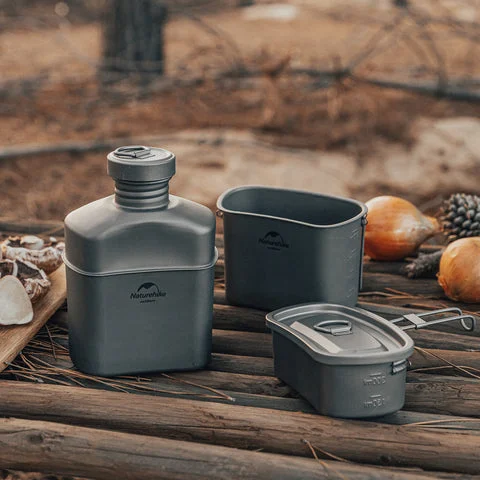
Traditional sports bottle caps typically consist of two separate components: the lid and a rubber gasket. Over time, factors like repeated tightening, temperature fluctuations (hot or cold), or general wear and tear can cause the gasket to compress, degrade, or even detach, compromising the seal and affecting the bottle’s reusability.
Superior sports bottles often employ secondary injection molding technology, seamlessly integrating the gasket directly into the lid. This advanced manufacturing not only achieves a far more effective and consistent seal but also virtually eliminates the possibility of the gasket separating or failing.
The integrity of the discharge spout’s seal depends heavily on the precise fit between the lid and its threading. An inadequate or loose fit can result in frustrating leaks during regular use, leading to considerable inconvenience. Many users have undoubtedly experienced such bothersome issues.
Additionally, the threads on many sports bottle spouts are commonly sharp-edged. While minor cuts to fingers or lips might be infrequent, they do occur. A thoughtfully designed sports bottle will feature more user-friendly processing, incorporating an arched or smoothed thread edge. This subtle enhancement effectively removes any potential for discomfort or injury, even in rare instances.
Assessing the Quality of Aluminum Sports Bottle Interior Coatings and Overall Craftsmanship
A discerning eye can spot clear indicators of a high-quality sports bottle’s construction and internal coating: The bottle’s interior and exterior surfaces should be remarkably smooth and free from imperfections such as rough spots, bubbles, indentations, or protrusions caused by impurities. The overall finish and printing on the bottle body should also reflect meticulous craftsmanship.
Examine the printed graphics or branding: the colors should be consistent and vibrant, edges sharp and precise, and the printing firmly adhered without smudges or fading. Furthermore, pay attention to the lid itself. High-quality lids, often crafted from superior materials, will exhibit a distinct difference in color, sheen, and tactile consistency, signaling a higher standard of overall product quality.