Planning a day hike? Unlike multi-day expeditions, single-day treks offer a fantastic opportunity to enjoy nature without the burden of extensive packing. Get ready for an invigorating adventure!
While a day hike doesn’t require a heavy load, having the right, simple equipment is crucial. Among the most vital items are proper hiking footwear and a suitable pack – these are truly non-negotiable essentials.
Essential Gear for Day Hikes
- Hiking Shoes
- Trekking Poles
- Knee Pads
- Hiking Backpack
- Rain Gear
- Headlamp
- Food & Water
- First Aid Kit
1. Hiking Footwear
Quality hiking shoes are arguably the single most important piece of equipment for any hiker, even on a day trip. They significantly lighten the load on your feet and enhance overall safety and comfort on varied terrain.
The best hiking shoes offer more than just shock absorption and durability. Look for features like anti-slip outsoles, excellent wear resistance, breathability, and robust ankle support. The quality and fit of your footwear directly impact your safety and enjoyment on the trail.
Avoid wearing brand new shoes on a long hike; break them in beforehand to minimize the risk of blisters and discomfort. When choosing a size, it’s often recommended to go half to a full size larger than your street shoes. This allows for slight foot swelling during prolonged activity and accommodates thicker hiking socks, ensuring ample space behind your heel (roughly a finger’s width) even with thick socks on.
2. Trekking Poles
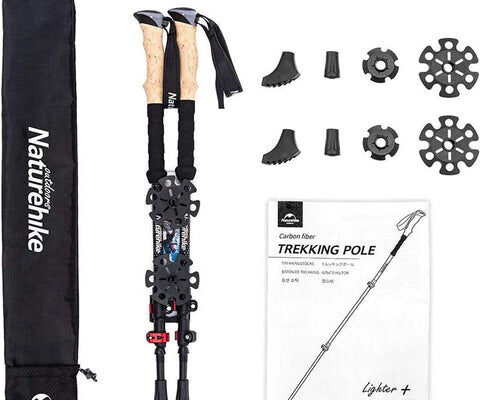
Trekking poles are incredibly beneficial, capable of reducing stress on your leg muscles and knee joints by at least 22%. They significantly improve stability, conserve energy, and make your hike more comfortable. By distributing weight and impact, poles offer excellent protection for your knees, especially on descents.
It’s highly recommended to use two trekking poles, one for each hand. This symmetrical use helps maintain balance, prevents falls on uneven terrain, and provides additional support. Poles are invaluable for river crossings, aiding balance, and providing a stable point of contact. On descents, they absorb impact, reducing strain and potential damage to your knees. They can also assist in navigating through dense undergrowth.
→ Naturehike Ultralight Carbon Fiber Trekking Poles
3. Knee Pads/Braces
For added protection, especially during descents or on challenging trails, consider wearing knee pads or supportive knee braces. These can provide essential cushioning and stability to your knees, absorbing some of the impact and reducing stress. Ensure they are worn correctly and tightened sufficiently to prevent twisting or sprains, offering crucial support to the joint.
4. Hiking Backpack
Specialized hiking backpacks are designed with an efficient carrying system that distributes weight effectively, making them significantly more comfortable and less strenuous to carry than a regular backpack. For a day hike, a capacity of 25-30 liters is generally ideal.
→ Naturehike 30L+5L Mountain Backpack
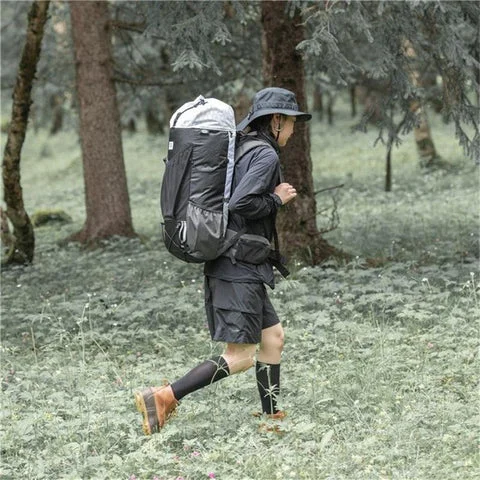
The most expensive backpack isn’t always the best; focus on finding one with an excellent suspension and ventilation system that fits your body type well. A poorly fitting or designed backpack will only add to your fatigue. Ensure the material is durable and at least water-resistant.
If your chosen backpack doesn’t come with an integrated rain cover, it’s crucial to purchase one separately to protect your gear from unexpected downpours.
5. Rain Gear
Reliable rain gear is indispensable for any hike. A dedicated rain jacket (and ideally rain pants) is far superior to an umbrella in windy conditions, dense trails, or prolonged downpours, offering complete protection and allowing you to keep your hands free.
→ Naturehike Waterproof Rain Gear for Outdoor Camping
6. Headlamp
Even if you plan to be off the trail well before sunset, unexpected delays or emergencies can lead to hiking in low light or darkness. A headlamp is therefore an essential piece of safety equipment, allowing you to navigate hands-free and illuminate your path effectively.
→ Naturehike Outdoor Headlamp
7. Water and Hydration
Hiking is physically demanding, making proper hydration critical to maintain energy levels and prevent dehydration. While it’s important to carry enough water, you also want to avoid unnecessarily heavy loads. For many day hikes, a 1-liter water bottle might suffice if there are reliable refill points along the trail.
However, your water requirements depend entirely on the trail’s length, difficulty, weather conditions, and availability of water sources. For a full day’s trek without any opportunities to refill, it’s wise to carry 3-4 liters of water, or even more in hot weather.
→ Naturehike 1.5L/2L/3L Hydration Bladder/Bottles
8. Trail Food and Snacks
Pack easily digestible, calorie-rich foods to fuel your hike. Good options include trail mix, energy bars, jerky, chocolate, and sandwiches or wraps. During summer hikes, consider bringing salty snacks or electrolyte-rich foods (like pickles or mustard packets) which can help replenish lost salts and quickly restore energy.
9. First Aid Kit
A well-stocked first aid kit is non-negotiable for any outdoor activity. Essential items should include bandages, gauze, antiseptic wipes, medical tape, pain relievers, blister treatment, insect repellent, and any personal medications you might need. Being prepared for minor injuries or ailments can prevent a small issue from becoming a major problem.
Planning Your Day Hike
Successfully planning a day hike demands more consideration than a casual stroll. Firstly, thoroughly evaluate the trail’s difficulty and the proposed itinerary to ensure it’s reasonable, safe, and aligns with your group’s collective physical capabilities and experience level.
Secondly, always research the latest weather forecast and current trail conditions. Develop a comprehensive emergency plan, including alternate routes or bail-out points. If hiking with a group, it’s vital to assess the leader’s experience and the overall composition and preparedness of the team.
On-Trail Techniques and Safety
Maintaining balance and a consistent rhythm is key to an enjoyable and efficient hike. Dedicate the first 5-10 minutes to a slow, gentle warm-up. As you progress, gradually adjust and monitor your pace, aiming for a steady speed that you can comfortably maintain.
When covering long distances, stay focused on your walking. Distractions can lead to missteps and unnecessary energy expenditure. Be mindful of your surroundings and your footing.
Hiking engages your entire body. Use your arms to assist with balance and maintain your center of gravity. Walk with a small, consistent stride. Pay attention to your foot placement: avoid walking only on your toes; instead, aim to land evenly on your entire foot, rolling through the step, which helps distribute impact and reduces fatigue.
1. Sprains and Minor Injuries
Should you experience a sprain, such as a twisted ankle or finger, stop all activity immediately. Apply a cold compress for approximately 15 minutes, then gently wrap the area with a cold, damp cloth and secure it with medical tape. If it’s a sprain, avoid putting weight or stress on the injured joint.
After 24 hours of cold therapy, you can begin to alternate with heat, gentle massage, and over-the-counter anti-inflammatory medicines if appropriate.
However, if you experience severe ankle pain that prevents you from standing or moving, hear a distinct popping sound at the moment of injury, or observe rapid and significant swelling, it could indicate a more serious injury like a fracture. In such cases, seek immediate medical attention at a hospital.
2. Preventing Dehydration
To stay adequately hydrated, sip water frequently in small amounts throughout your hike, rather than waiting until you’re very thirsty and then drinking large quantities. A good guideline is about 100-150 ml every 15-20 minutes. Gulping down a lot of water at once can overwhelm your system and doesn’t hydrate as effectively.
To replenish lost electrolytes and nutrients, you can create a simple hydration mix: add approximately 4 grams of salt, 100 grams of glucose (or another simple sugar), and 150 milliliters of orange juice to every 1000 milliliters (1 liter) of water.
3. Preventing and Treating Blisters
Blisters are a common bane for hikers, often forcing an early end to an otherwise enjoyable trip. Fortunately, with proactive measures, this painful situation can largely be avoided.
To prevent blisters on any hike, especially longer ones, keep your feet as dry as possible. Change socks if they become wet. Always wear well-broken-in hiking shoes, as new footwear can easily cause friction and lead to blisters. Choosing the right hiking socks (moisture-wicking, seamless) is also crucial.
If you feel any “hot spots” or irritation on your soles or toes while hiking, stop immediately to check. If a blister is forming or already present, clean the area and apply a specialized blister plaster or protective bandage to prevent it from worsening.
Additional Essential Considerations
Beyond the core gear, here are other items that can significantly enhance your day hike:
- Appropriate Clothing: Quick-drying base layers, hiking trousers, and socks are vital. Depending on the weather, pack a warm jacket, fleece layers, gloves, and a hat.
- Sun Protection: Don’t forget sunglasses, a wide-brimmed hat, and sunscreen. Reapply sunscreen regularly.
- Navigation Tools: A map and compass (and knowing how to use them) or a GPS device/app are crucial.
- Winter Gear (Seasonal): For snowy conditions, consider microspikes or crampons for traction on ice, and gaiters to prevent snow from entering your shoes.
- Miscellaneous: A multi-tool, portable charger for your phone, and a small microfiber towel can also be useful.
Leave No Trace: Protecting the environment is paramount for any outdoor enthusiast. Always carry a garbage bag to pack out all your trash, including food scraps. “Leave no trace” means exactly that – whatever you bring in, you take out. Our wild spaces depend on everyone’s commitment to responsible recreation.