
Whether you’re an experienced equestrian or new to the saddle, the dream of embarking on a journey with your horse is a common aspiration for many riders.
Often, the perceived complexity of planning such an adventure can be daunting. To simplify the process, our team has curated 9 invaluable tips to guide you. With these suggestions, you’ll be well-equipped to embark on safe and memorable travels with your equine companion, whether heading to unique accommodations or expansive landscapes ready to welcome both horse and rider.
This comprehensive guide aims to remove all obstacles, ensuring you have no reason to postpone organizing your next equestrian escapade!
1. Ensure Your Horse’s Optimal Health for Travel
Before embarking on any extensive travel or prolonged trail ride, it is paramount to consult a veterinarian for a thorough health assessment of your horse. This crucial step confirms their fitness for the journey, minimizing potential risks during transit. Remember, successful and enjoyable equestrian expeditions are always built upon the foundation of a healthy, robust horse.
2. Prioritize Comfortable and Safe Transport
While dedicated stable arrangements are ideal for long-term housing, ensuring proper travel conditions is essential when transporting your equine companion by vehicle. A UC Davis study highlighted the physiological impact of travel, showing that after 24 hours in a van, it took a full day for a horse’s white blood cell count to normalize. Horses that were tied during transport required even longer recovery periods. Optimal space and ventilation within the trailer are crucial for their well-being.
3. Maintain a Clean and Healthy Transport Environment
When transporting your horse, regardless of the driver’s skill, a clean trailer plays a significant role in minimizing stress, as noted by Dr. Hannah Mueller of Cedarbrook Veterinary Care. It’s vital to avoid overly dusty environments, which can precipitate respiratory issues or eye irritation in your horse. A pristine and well-ventilated space contributes greatly to their comfort and health during transit.
4. Be Prepared for Equine Emergencies
No matter how meticulously you plan, unforeseen situations can always arise. For this reason, it is always wise to carry a well-stocked equine first-aid kit. Ensure it’s stored in an easily accessible location, allowing for quick deployment should an emergency occur during your journey.
5. Strategically Plan Your Route and Schedule
Careful consideration of your travel route and timing is crucial. A parked trailer exposed to direct sunlight can quickly become significantly hotter than the ambient temperature, potentially causing undue stress for your horse during extended waits. During warmer seasons, traveling at night can be more beneficial due to cooler temperatures and potentially lighter traffic. For journeys made entirely on horseback, meticulous planning of rest stops and overnight accommodations is equally essential.
6. Incorporate Frequent Rest Stops
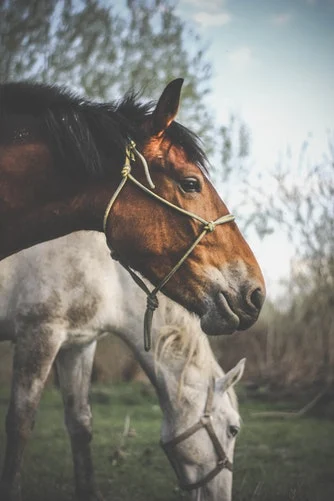
Regular rest breaks are a non-negotiable component of any long-distance equine travel. We advise pausing every four hours for at least 20 minutes. Ideally, these stops should occur in a shaded area, with trailer windows opened to maximize air circulation. While important for the horse’s comfort, it’s generally not recommended to unload horses from the trailer during these short breaks, as they may become agitated by unfamiliar surroundings and road noise.
7. Maintain Optimal Hydration Levels
Ensuring your horse remains adequately hydrated throughout the journey is critical, necessitating water offerings every three to six hours. Experts, such as those from Kentucky Horse Council, recommend bringing a supply of your horse’s familiar water from home. This is because some horses can be particular about changes in water taste or smell. If carrying sufficient water for the entire trip isn’t feasible, consider gradually introducing flavored water to your horse beforehand to encourage drinking unfamiliar sources.
8. Allow Ample Recovery Time Post-Travel
Even if your horse appears to have handled travel well, a recovery period is essential before resuming normal activity or work. According to a UC Davis Ceh Horse report, a horse traveling between six and twelve hours typically benefits from one full day of rest. For longer journeys, the recovery period might extend to two or three days. Crucially, if your horse exhibits signs such as reluctance to eat, nasal discharge, or an elevated temperature upon arrival, immediate veterinary consultation is imperative.
9. Pack Essential Equine Gear for the Journey
A successful equestrian adventure hinges on having the right equipment for your horse. Here’s a comprehensive, though not exhaustive, list of essentials you should consider bringing for your equine partner’s comfort and safety during travel:
- Duplicate essential tack and equipment (e.g., lead ropes, halters)
- A reliable water container, crucial for hydrating your companion en route
- Adequate supplies of hay and feed to prevent any dietary disruptions
- One or more clean towels
- A fully stocked equine first-aid kit, vital for addressing any unexpected situations
- Sunscreen, especially beneficial for horses with lighter coats to prevent sunburn
Following these guidelines will help you efficiently prepare and preemptively address your horse’s needs, ensuring a smoother journey.
With these insights, you are now fully equipped and prepared for an unforgettable adventure with your loyal equine companion.
For additional resources, feel free to explore our dedicated page on accommodations welcoming both riders and their horses.
The HomeCamper team extends their best wishes for safe travels and enjoyable rides!