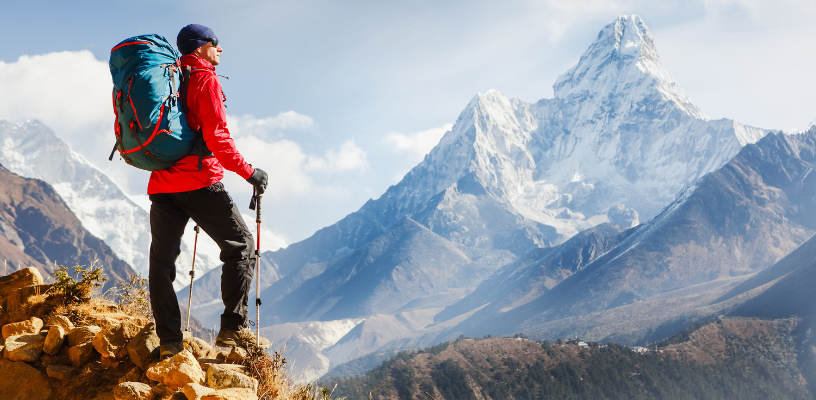
Selecting the perfect trekking trousers is fundamental for any outdoor enthusiast. With advancements in quick-drying, breathable fabrics, ergonomic designs, and cutting-edge technologies, you’ll be prepared for any challenge the trail throws your way. Join us as we explore how to choose the ideal mountain pants for each season and what crucial factors to consider during your purchase.
Key Considerations When Selecting Mountain Trousers
Whether you’re tackling a challenging via ferrata, embarking on a leisurely hut-to-hut hike, or gearing up for a multi-day alpine expedition, a reliable pair of pants must offer protection from moisture and wind, maintain optimal thermal comfort, and allow for unrestricted movement. The choice of materials, cut, functional features, and integrated technologies — enhancing aspects like waterproofing, durability, breathability, flexibility, or quick-drying properties — are paramount.
Innovative Materials and Technologies
Synthetic fabrics are predominantly used in trekking and hiking trousers due to their durability, excellent air circulation, lightweight nature, and rapid drying capabilities. Common examples include polyester, nylon, polyamide, or advanced synthetic insulation like Primaloft®. Elasticity and stretch (whether 2-way or 4-way) are vital characteristics; therefore, when reviewing the composition, look for elastic fibers such as Elastane, Spandex, or Lycra. The level of breathability should align with the season – lower for autumn, winter, and early spring, and higher for summer. Prioritizing materials enhanced by innovative technologies that provide specific attributes is always a smart move.
It’s also important to consider the density of the fabric weave in mountain pants, as this significantly impacts thermal insulation and airflow. Generally, a denser weave results in longer drying times and reduced breathability, and vice versa.
Ergonomic Cut and Fit
When purchasing trekking pants, an appropriate cut (e.g., regular or athletic) and a high rise are beneficial for protecting your lower back from exposure. Practical features include elastic waistbands, which allow the trousers to adapt to movement without constriction, as well as belt loops and adjustable ankle cuffs. These cuffs enable you to modify the width of the lower leg, offering customizable ventilation, a better fit over various footwear like approach shoes or hiking boots, and enhanced comfort during cold or rainy excursions. Furthermore, the design should facilitate free leg movement in high-stepping situations, often achieved through articulated knees and the inclusion of elastic materials like elastane.
Practical Functionality
The functionality of mountain trousers often comes down to numerous thoughtful details. This includes strategically placed pockets, ideally zippered (e.g., on the thigh), for secure storage of essentials such as your mobile phone, energy bar, compass, or multi-tool, ensuring they are easily accessible without removing your backpack. For climbing, it’s crucial that the pants integrate well with climbing harnesses and footwear.
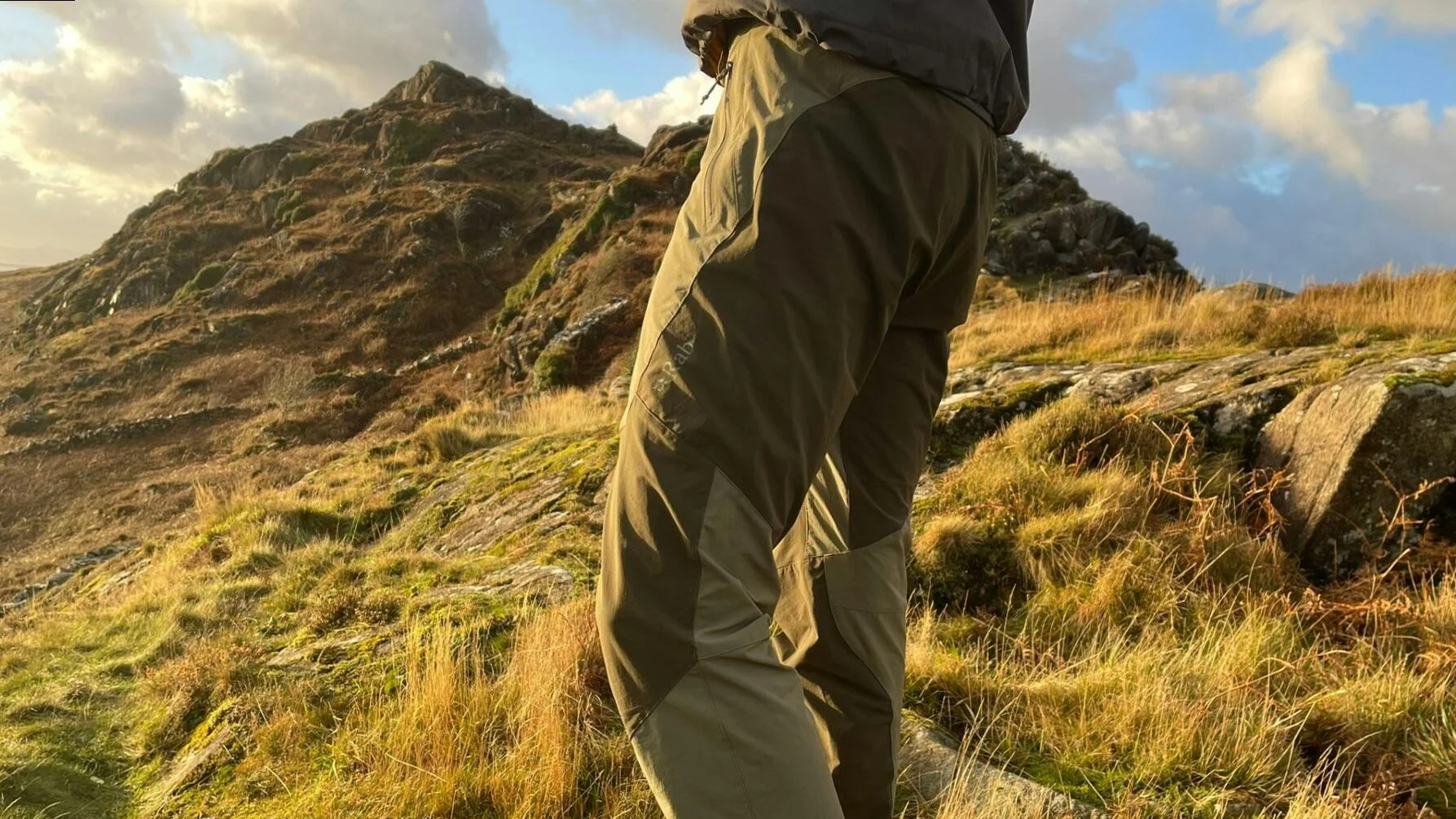
External pants functionality also encompasses specialized reinforcements in high-wear areas like the seat, knees, inner thighs, or lower leg cuffs. These not only offer additional protection for vulnerable zones but also contribute to extending the garment’s lifespan by enhancing resistance to wear, abrasions, or tears. High-quality zippers, such as those from the renowned Japanese manufacturer YKK, are also an indicator of durability.
Your choice of mountain trousers should be dictated not only by your destination but also by the season: winter, summer, or transitional periods. For the coldest months and low temperatures, trekking pants with adjustable leg openings are excellent, allowing you to regulate ventilation. Mountain shorts are a prime summer option, though they can be paired with leggings or thermal base layers during transitional seasons.
A versatile solution suitable for both summer and shoulder-season mountain treks is the 2-in-1 convertible trekking pant, featuring zip-off legs. This design allows you to adjust the length based on trail conditions, detaching the lower sections on hot days and reattaching them as the weather cools. This also saves backpack space, eliminating the need to pack two pairs for fluctuating altitudes and varying temperatures higher in the mountains.
Trekking trousers for autumn and early spring should offer protection from rain, wind, temperature swings, and occasional dampness. Softshell trousers are ideal for these periods, providing ample thermal comfort. For persistent rain and multi-day treks, membrane pants or those treated with a durable water repellent (DWR) finish are highly recommended. On colder days or when temperatures hover around freezing, wearing thermal underwear beneath thinner trekking pants is an excellent strategy for added warmth.
In winter, pants must prioritize wind protection and waterproofing. Softshell or hardshell models excel here. Softshells are well-suited for winter hikes and mountaineering, while hardshells are perfect for activities like ice climbing or ski touring (with features like leg zippers for ventilation control). For high alpine environments and winter camping, insulated models with natural down or Primaloft® synthetic insulation are invaluable. As with transitional periods, thermal base layers offer crucial additional warmth.
Summer hiking and trekking pants are typically crafted from lightweight, durable nylon, offering superior breathability and quick-drying properties. This is vital not only for managing increased perspiration in high temperatures but also for unexpected rain showers or storms.
For the summer months, trekking or hiking trousers equipped with UPF (Ultraviolet Protection Factor) technology will prove invaluable. This technology, which indicates the fabric’s UV transmission level, incorporates special filters to shield against harmful sun rays. A model with a UPF factor of at least +40 or +50 is highly recommended.
When considering the length of mountain pants for summer, both temperature and terrain are crucial. If the ground is rocky or covered in dense vegetation, long trousers are advisable to minimize the risk of abrasions from sharp rocks, branches, or thorns. They also offer excellent protection during peak seasons for ticks, mosquitoes, and other insects. Remember that temperatures can vary significantly between the valley and the summit, so even on sunny days, it’s wise to carry a pair of long pants in your backpack.
When seeking durable and functional trekking trousers that will keep you comfortable and protected in any condition, explore reputable outdoor retailers. You’ll find high-quality products from esteemed brands such as Black Diamond, Columbia, Jack Wolfskin, La Sportiva, Mammut, Marmot, Peak Performance, Rip Curl, Salewa, and Salomon. Choose from trekking, softshell, rain, or membrane pants, as well as functional shorts for your adventures, depending on your chosen mountain region and the time of year. A vast selection of trousers and shorts for both men and women ensures you can find the perfect cut, materials, and innovative solutions tailored to your specific outdoor activity.