
Originally engineered in the 1980s for the U.S. military, Primaloft is a cutting-edge synthetic microfiber insulation. The goal was to develop a fabric that could rival the thermal performance of natural goose down while significantly surpassing it in wet conditions. Initiated in 1983, this research was undertaken by Albany International Corporation, a specialist in advanced materials and textile processing, which secured the patent three years later. American soldiers were among the first to benefit, utilizing sleeping bags and apparel crafted from this innovative material, ensuring consistent warmth and dryness across diverse climates.
Primaloft Explained: Does Synthetic Insulation Outperform Natural Down in Outdoor Gear?
Primaloft is created by binding polyester fibers, which are then layered and combined with a synthetic agent. During production, the material is melted, and ultra-fine fibers are arranged on a table with countless contact points, forming millions of tiny air pockets. Thanks to the inherent hydrophobic properties of its fibers, this synthetic fill retains heat even in challenging weather, as it resists water absorption and dries exceptionally fast. Beyond its core technology, Primaloft also offers specialized variants like Primaloft® Pure, which boasts a carbon footprint reduced by up to 48%, and Primaloft® Bio, made from fully recycled and biodegradable materials.
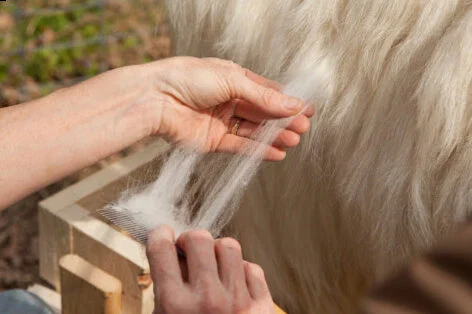
The type of fiber employed is crucial to Primaloft’s performance and compressibility. Generally, two main categories are distinguished:
- Short-Staple Fiber Insulation – Utilizes short, fine fibers that are tightly packed to maximize heat retention. Products made with these fibers are typically soft, flexible, and highly compressible, closely mimicking the feel of natural down. This type is prevalent in many Primaloft products.
- Continuous Filament Fiber Insulation – Employs longer, thicker fibers that offer superior durability and resilience compared to short fibers. This insulation tends to have a more rigid structure and is less compressible, though its longer fibers maintain structural integrity more effectively.
Primaloft produces three primary grades of synthetic insulation: Gold, Silver, and Black. Primaloft® Gold is renowned for being the most effective, often found in high-performance winter sleeping bags, while Primaloft® Black offers the least insulation, suitable for lighter garments like autumn jackets. A common thread across all types is their lightweight nature, excellent packability, water resistance, breathability, and vapor permeability. This ensures that even during intense exertion, sweating, or high humidity, Primaloft provides reliable protection against cooling.
Primaloft® Gold
Widely regarded as one of the finest synthetic insulators available, Primaloft® Gold is celebrated for its exceptional durability and insulating capabilities, making it an ideal choice for the most challenging conditions. Primaloft® Gold boasts a CLO value of 0.92, delivering warmth comparable to natural down with a 500 or 550 fill power. This top-tier insulation comes in various iterations, including Primaloft® Gold Eco, which incorporates 55% recycled material (favored by brands like Patagonia), and Primaloft® Gold Blended with Goose Down, offering a hybrid solution.
Primaloft® Silver
Offering slightly lower insulation properties than Primaloft® Gold, Silver performs admirably in milder climates or during periods of high activity. Primaloft® Silver excels in damp conditions, is easily compressible, comfortable, and ensures good air circulation. This category includes variants such as Primaloft® Silver Eco, which is crafted from 70% recycled content.
Primaloft® Black
The most accessible variety, Primaloft® Black, is well-suited for everyday use, such as urban wear, but can also serve as an effective outer layer. Primaloft® Black provides good breathability and water resistance. Its range features options like Primaloft® Black Eco (made with 60% recycled material), Primaloft® Black Down Blend (a mix of 50% down and 50% synthetic fiber), and Primaloft® Black Hi-Loft.
Both Primaloft and natural down (duck or goose) are outstanding insulators against cold and wind. However, they diverge significantly in areas such as water resistance, breathability, and compression performance.
Water Resistance
In contrast to natural down, Primaloft retains up to 96% of its insulating capacity when wet. Its unique polyester construction means the material absorbs minimal moisture; water tends to bead on the polyester fibers and is wicked away to the outer layer, preventing absorption and preserving thermal efficiency. Moreover, it dries much faster than its natural counterpart, a critical factor in preventing hypothermia in cold, damp environments.
Insulation and Breathability
Regarding thermal insulation, natural down boasts an exceptionally favorable warmth-to-weight ratio and high loft, giving it an advantage over synthetic alternatives in dry conditions. However, this superiority diminishes dramatically when wet, as down clumps, loses its insulating properties, and absorbs a great deal of water, which can hasten hypothermia at low temperatures. In such scenarios, Primaloft offers superior insulation. For breathability, natural down generally outperforms polyester fibers, though the choice of materials for other clothing layers also plays a significant role.
Weight, Packability, and Durability
Both types of insulation are easy to compress and pack when not in use, but natural down typically holds a slight edge in initial compressibility. Since less down is required to achieve the same warmth level as Primaloft, it often results in a lighter, more packable garment. Furthermore, with prolonged compression, synthetic materials can flatten over time, potentially impacting their functionality and insulating capacity. Natural down quickly regains its loft after compression and, with proper care, a down jacket can last for many years.
As evident, for many situations, natural down will be the preferred option due to its superior warmth, lighter weight, resilience, and excellent compressibility. However, for extended expeditions or ventures into unpredictable, wet weather conditions, Primaloft emerges as the better choice, as it maintains performance despite rain or high humidity. Conversely, when natural down gets wet, it clumps and loses nearly all its insulating power. To restore it, one must manually fluff it while drying or use dryer balls during washing and drying cycles.
Since its introduction to the consumer market in 1989, Primaloft has garnered continuous interest in outdoor activities. By 1992, the insulation was widely used in products such as gloves, sleeping bags, and outerwear. Today, various Primaloft grades can be found in a diverse range of items, including footwear (trekking, alpine, or skiing boots), pants, skirts, jackets, and accessories designed for demanding physical conditions and humidity, as well as for everyday autumn and winter wear. Primaloft-insulated products excel in environments with uncertain weather (e.g., trekking, hiking, climbing) and for activities with variable intensity (skiing, snowboarding, cycling). Their high compressibility and low weight make them easy to store and transport (fitting conveniently into a hiking backpack or hand luggage), complemented by a straightforward care process.
Before cleaning any Primaloft-insulated product, always consult the manufacturer’s recommendations regarding the washing method (hand or machine wash), temperature (typically 30 degrees Celsius on a down or delicate cycle). Remember to thoroughly check and empty pockets, zip all closures, fasten buttons, invert the inner lining, and remove any belts to minimize the risk of damage. Turn the garment inside out. Primaloft clothing should be dried horizontally (e.g., laid flat on a towel) in a well-ventilated, warm area, away from direct sunlight or radiators. Gently pat and fluff the fabric periodically to prevent clumping. Ensure the jacket, pants, or vest are completely dry to preserve their high-performance qualities. When not in use, store synthetic-insulated outerwear in a dry, spacious place, ideally hung on a hook.