
Venturing into the mountains during autumn demands a different kind of preparation compared to lighter summer excursions. The unpredictable weather requires carefully selected clothing, footwear, and essential accessories to ensure capricious conditions don’t hinder your adventure. Wondering what gear to pack for your autumn mountain trip? Here’s a comprehensive guide to help you get started.
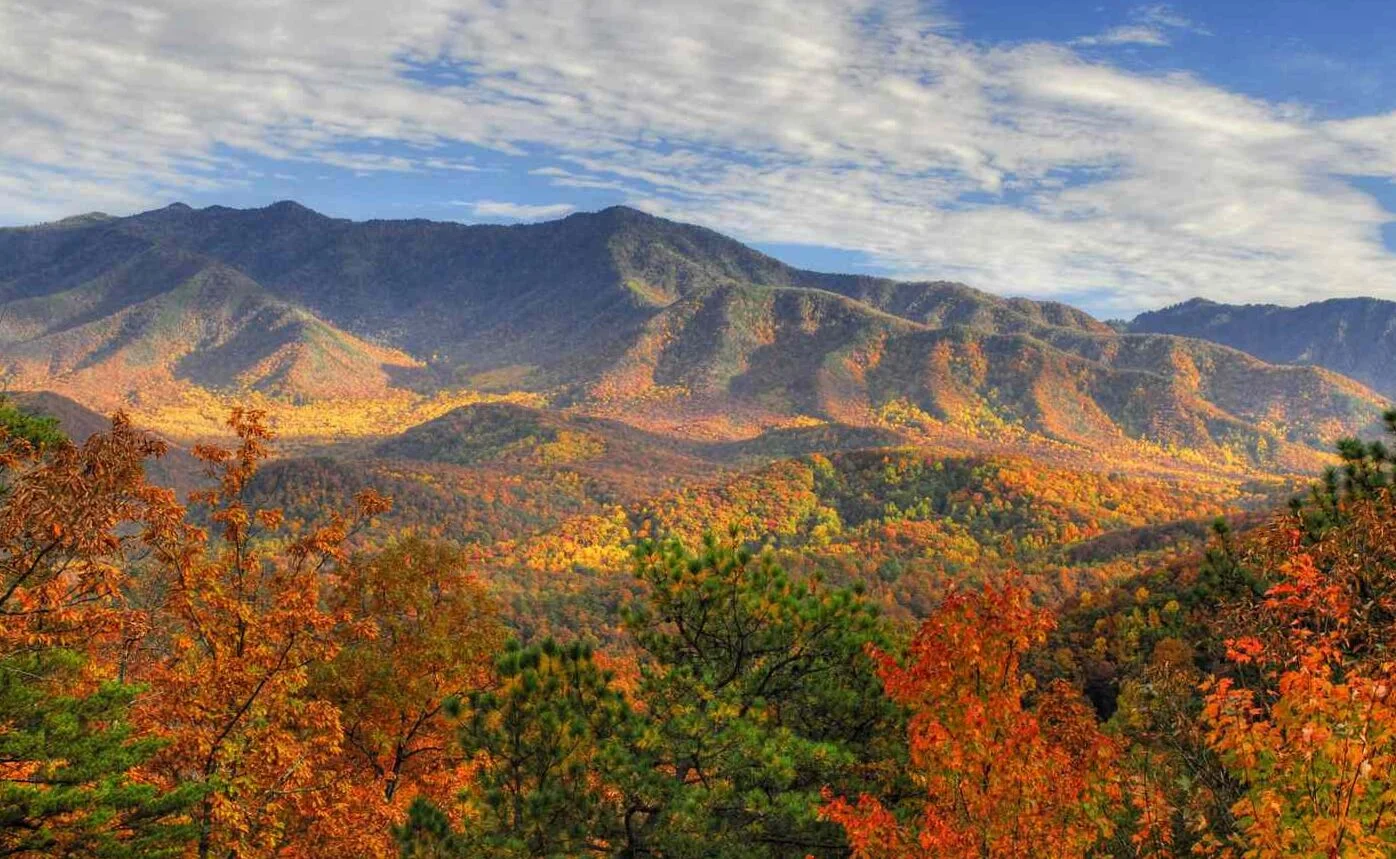
Autumn paints the mountain landscapes with breathtaking hues, drawing hikers with its vibrant foliage and crisp morning air. For many, it’s the most enchanting time to explore. However, this beauty comes with a caveat: autumn is a transitional season. Daily temperatures steadily drop, and you should anticipate increased rainfall and potentially even early snowfall. While sporadic summer snow isn’t unheard of in ranges like the Carpathians, autumn signals the genuine shift, where you might encounter remnants of summer warmth alongside the distinct chill of approaching winter.
Without a doubt, your hiking footwear stands as the most critical component of your mountain gear, directly impacting your safety on the trail. Unlike the lighter, lower-cut models often preferred in summer (i.e., approach shoes), autumn demands sturdier ankle-height boots. A higher collar significantly boosts your chances of keeping your feet dry should you encounter sudden heavy rain or wet snow. During this season, prioritize boots equipped with a reliable waterproof membrane (e.g., Gore-Tex®) to fend off moisture and insulate against the autumn chill. Before heading out, always inspect your boot’s tread. A worn sole dramatically reduces traction in muddy or slippery conditions. For more detailed advice, consult our guide: ‘Choosing the Right Trekking Shoes’.
The eternal question for hikers of all experience levels: ‘What should I wear for a mountain excursion?’ Mistakes in clothing choices can range from mild discomfort to serious risks. The time-tested outdoor principle is to dress in layers – often called the ‘onion’ method. This strategy allows you to adapt instantly to fluctuating weather and temperature changes as you gain or lose altitude, ensuring optimal comfort and safety.
For your autumn mountain trek, select thermal underwear with excellent moisture-wicking and quick-drying properties. We strongly advise against cotton garments for hiking. While cotton feels soft and breathable when dry, it absorbs sweat and holds onto moisture. Once wet, it becomes heavy, clammy, and chilling – a significant hazard in cooler temperatures. Instead, opt for thermoactive underwear crafted from either synthetic materials or Merino wool. Synthetics offer rapid drying and durability, while Merino wool excels in insulation, becoming increasingly popular as temperatures drop. Merino sheep wool fibers are naturally structured to trap air molecules, creating an efficient thermal barrier against heat loss.
Your mid-layer is crucial for warmth as temperatures dip. Essential items include a fleece jacket, a hooded jacket, or a light insulated jacket. These are pieces you might skip in summer, but for autumn trips, at least one should be in your backpack. They provide vital warmth, even serving as simple wind protection on sunny, brisk days. For late autumn, consider adding thermal base layer bottoms or tights to maintain thermal comfort for your legs.
Next, let’s address hiking trousers for autumn in the mountains. It’s time to swap out shorts or even convertible trousers for more protective options. For anticipated autumn chills and biting winds, trekking trousers made from Softshell material are an excellent choice, offering good wind resistance and breathability. However, if forecasts predict heavy rain or snow, upgrading to waterproof membrane hiking trousers is highly recommended for superior protection.
An effective outer layer jacket is indispensable for safeguarding against wind and rain. For milder, stable ‘golden autumn’ days, a softshell jacket might suffice. These jackets provide excellent breathability, wind resistance, and protection against light drizzle. However, they won’t stand up to torrential downpours. Given autumn’s propensity for heavier rain, it’s prudent to pack a tourist jacket with a waterproof membrane (often called a hardshell). Alternatively, a classic, wide rain poncho offers a simple, effective solution that can also cover your backpack.
Beyond core clothing, certain accessories are vital for maintaining thermal comforts and safety during autumn hikes. Including them in your gear list can be critical for regulating body temperature and ensuring a safe return.
A warm hat is essential to combat the often-fierce winds encountered above the treeline. Gloves are invaluable for protecting hands, especially when gripping cold or icy chains or rock surfaces. Finally, a versatile Buff scarf can protect your neck, face, or head from wind and cold.
For excursions in cooler temperatures, a warm beverage can be a significant comfort. Thus, autumn is the season when your standard water bottle or hydration bladder might give way to a thermos filled with hot tea or coffee. Hiking in foggy, chilly conditions burns more energy, so always pack sufficiently caloric foods to sustain you. For more insights, refer to our ‘Mountain Food Guide’.
Unexpected events – like a sudden downpour forcing a stop at a refuge, or a minor injury slowing your pace – can disrupt plans. Remember, autumn days are significantly shorter, and returning in darkness is neither pleasant nor safe. Therefore, regardless of your planned route’s length, always carry a headlamp (or front lantern) with spare batteries.
Even robust, ankle-high hiking boots with membranes might not fully prevent water ingress during prolonged heavy rain. If you anticipate wet conditions, additional protection from gaiters is highly recommended. These practical covers not only shield the top of your footwear but also protect your feet from moisture and keep your trousers clean from muddy trails.
Autumn rainfall can make trails exceptionally slippery, making trekking poles even more valuable. They significantly improve your balance on muddy paths, over puddles, and especially when ice forms after cold nights. Using poles also effectively reduces stress on your knees, particularly during steep descents. Learn more in our guide: ‘Choosing Your Trekking Poles’.
If you intend to hike at the end of autumn, it doesn’t hurt to pack microspikes or lightweight crampons. They take up minimal space but can be life-savers if you encounter icy patches or early winter conditions in the higher elevations, ensuring safer passage to your destination.
A dead phone in the mountains can lead to significant issues. To ensure your navigation remains functional and you can contact emergency services if needed, always pack a fully charged power bank and all necessary charging cables.
Finally, let’s cover essential items that are important year-round but become even more crucial for autumn mountain adventures. The likelihood of minor injuries increases in challenging conditions, and immediate medical assistance may not be readily available. Therefore, you must rely on what you carry. A well-stocked first aid kit and basic knowledge of emergency care can be truly life-saving.
Rapidly falling darkness or dense fog can quickly disorient you on the trail. While modern electronic devices are helpful, remember they can be unreliable, and smartphone batteries deplete faster in cold conditions. Therefore, a physical, laminated hiking map and a compass remain indispensable backups for navigation. A multitool is also incredibly useful for unexpected repairs or minor emergencies. Learn more: ‘How to Read a Compass’.
Quality Mountain Gear
Functional, reliable mountain clothing and essential outdoor accessories for your autumn expeditions, explore the selection at Sport.ro. Discover high-quality products from leading brands including: Jack Wolfskin, Campus, Fizan, Hoka, Merrell, Columbia, Leki, Under Armour, Poc, Fjällräven, Alpinus, Deuter, and Helly Hansen.