
Softshell fabric represents a pinnacle of innovation in outdoor apparel, engineered for optimal performance in diverse conditions. Utilized in jackets, trousers, and even footwear, its primary function is to provide effective wind protection while ensuring superior breathability. When equipped with a membrane, it further boasts impressive water resistance. But what exactly defines softshell, and why has it become an indispensable choice for outdoor enthusiasts?
Emerging in the outdoor world after the turn of the millennium, softshell offered a revolutionary middle ground between the rigid protection of hardshell jackets and the insulating comfort of fleeces. A typical softshell garment comprises two distinct layers: an inner, softer layer designed to retain warmth and ensure thermal comfort (often fleece-like), and an outer layer that is generally smooth, highly wind-resistant, yet sufficiently porous to facilitate excellent air circulation. Initially developed for demanding aerobic activities, softshell technology quickly expanded its applications to skiing, snowboarding, cycling, running, and a multitude of other outdoor pursuits. Beyond conventional jackets and pants, this unique material is now integrated into various accessories, including trekking boots, hats, and gloves.
Distinguishing Softshell Apparel:
- Membrane Softshell: This variant offers enhanced weather protection, including significant or 100% windproof capabilities (such as Windstopper or Gore® Infinium®), and improved resistance to water.
Softshells are typically a sophisticated fusion of two or more fabric types (commonly polyester, nylon, and fleece), meticulously engineered to deliver a harmonious blend of durability, resistance to mechanical wear, comfort, effective wind protection, breathability, and unrestricted freedom of movement. These inherent qualities work synergistically to maintain the wearer’s optimal thermal comfort and dry skin, even during high-intensity exertion. This effectively mitigates the risks of hypothermia or overheating, thereby enhancing overall performance during physical activities. A key advantage of softshell is its inherent elasticity; the outer layer often features a 4-way stretch capability (both horizontally and vertically), guaranteeing exceptional mobility regardless of body position or movement speed.
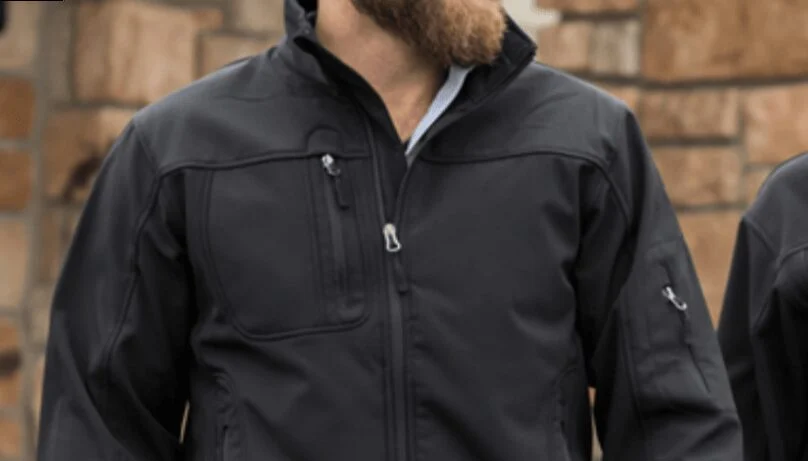
When Does Softshell Excel?
Given their versatile functionality, softshell garments are ideally suited for an extensive range of outdoor activities. This includes trekking, mountain hiking, climbing, cycling, Nordic walking, trail running, and skiing, as well as everyday wear, commuting, and various recreational movements.
In the popular ‘onion layering’ system, softshell can serve as either an outer protective layer or an intermediate (insulating) layer worn beneath a more robust outer shell. During moderate temperatures in autumn and spring, softshells are typically worn over thermoactive base layers or thermal shirts. For more extreme weather conditions, the recommended solution involves a base layer, followed by a fleece/blouse and a softshell jacket, culminating in an external hardshell layer. On colder days, one might opt for heavier thermal underwear, a sport/fleece jacket, and then a softshell as the outermost layer.
Initially, softshells were designed without membranes, intended as a breathable counterpart to hardshells. However, manufacturers progressively enriched the material with innovative solutions. Membrane-equipped softshells are generally more robust than lighter, stretch-fabric models, making them better suited for prolonged and heavy rainfall. While they offer superior weather protection, it’s important to note they may be less breathable. Conversely, membrane-free softshell jackets are ideal for warmer months or activities where maximum breathability is paramount.
Many softshell jackets are crafted from nylon or polyester blends, imparting remarkable elasticity and breathability. They offer significantly improved protection compared to a classic fleece or a purely synthetic jacket. Their unique construction makes them highly adaptable for year-round use. They are perfect for moderate to cool climates with minimal rain, or for intense activities demanding high breathability and freedom of movement. You can wear them as a mid-layer over a base layer (thermal underwear) as an alternative to fleece. In severe weather, they seamlessly integrate as an insulating layer under a hardshell jacket.
Most softshell jackets feature a Durable Water Repellent (DWR) finish, which causes rain droplets to bead up and roll off the fabric surface, offering good protection against light precipitation. For extended rainfall, 3-layer softshell models are more suitable, often incorporating waterproof fabrics (e.g., on the hood, shoulders, or chest) or a complete waterproof/breathable membrane. These jackets deliver reliable protection from rain and snow, while still maintaining excellent mobility and comfort.
What to Consider When Choosing Softshell Clothing:
- Intended Use: Match the softshell’s features (e.g., membrane, DWR) to your planned activity and expected weather conditions. For high-aerobic, drier conditions, prioritize breathability (non-membrane). For wind and light rain, DWR-coated softshells are excellent. For heavier rain or snow, a membrane softshell is preferable.
- Flexibility: Look for 4-way stretch fabrics for maximum freedom of movement, especially for activities like climbing or cycling.
- Layering Compatibility: Consider how it will fit with your base and potentially hardshell layers.
- Weight and Bulk: Lighter softshells are great for fast-paced activities; heavier ones offer more warmth and protection.
Caring for Your Softshell Gear:
To preserve the high-performance properties of your softshell, proper care is paramount. Before washing, always consult the manufacturer’s recommendations on the product label for the correct washing temperature, appropriate detergent, and specific instructions (e.g., machine wash or hand wash). The care process for a membrane softshell will differ from that of a non-membrane garment. Crucially, avoid conventional washing powders, which can block the fabric’s pores, and refrain from using fabric conditioners, as they significantly diminish breathability.
If you observe that water begins to soak into the fabric instead of beading and running off during rain, it’s time to re-waterproof. Regular re-application of a DWR treatment is essential to maintain the softshell’s high level of hydrophobicity.
When washing and re-waterproofing, use a specialized softshell or technical cleaning detergent and a dedicated wash-in or spray-on waterproofing product (such as those from Nikwax, Holmenkol, or Assos).
Begin the washing process by emptying all pockets, turning the garments inside out, and securely fastening all zippers, Velcro straps, buttons, or snaps. Clean any detergent residue from the machine’s dispenser tray. Set the washing temperature to 30-40°C, load the garments to refresh them, and add the specialized detergent. Softshell clothing should be air-dried flat or hung on a dryer in a dry, well-ventilated room. Always avoid placing them on radiators or hanging them in direct sunlight.
If you’ve opted for a spray-on waterproofing treatment, first ensure the jacket/pants/shoes/boots are clean of all dirt, dust, and mud. Then, apply the waterproofing agent strictly according to the manufacturer’s instructions.
For high-quality, tested, and verified softshell jackets for men and women, explore reputable retailers. A wide selection from leading manufacturers like Columbia, CMP, The North Face, Peak Performance, Marmot, Mammut, and Helly Hansen will enable you to find the ideal model for your specific sport and seasonal needs.