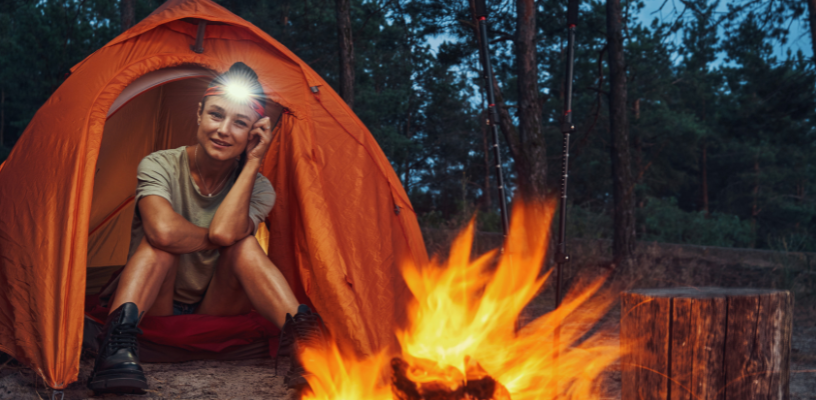
Embrace the great outdoors and embark on unforgettable adventures, spending your leisure time under the stars and sleeping soundly in a tent amidst nature’s embrace. Are you new to camping but eager to discover the magic of this refreshing pastime? Our comprehensive guide, “The Ultimate Beginner’s Guide to Camping,” is tailored just for you, offering a curated list of indispensable outdoor essentials and practical advice for organizing your very first tent trip.
Before you begin assembling your backpack, selecting your tent, gathering clothes, stocking up on provisions, and other camping accessories, it’s crucial to define your trip specifics. Consider your desired destination – which region, what type of environment (forest, lakeside, mountains), your mode of transport, and the intended duration of your getaway. These factors – location, travel method, and length of stay – profoundly influence your packing list and the logistical arrangements needed to ensure a smooth, obstacle-free holiday. If you’re traveling by car or truck, your packing is primarily limited by vehicle space. However, for backpackers, a sensible approach to equipment size is paramount; choose only truly essential items to avoid unnecessary weight that could hinder or even prevent reaching your destination, especially in challenging terrain like mountains. Furthermore, the number of participants and the time of year are critical. Packing for a summer day trip with children will differ significantly from preparing for an autumn excursion with friends.
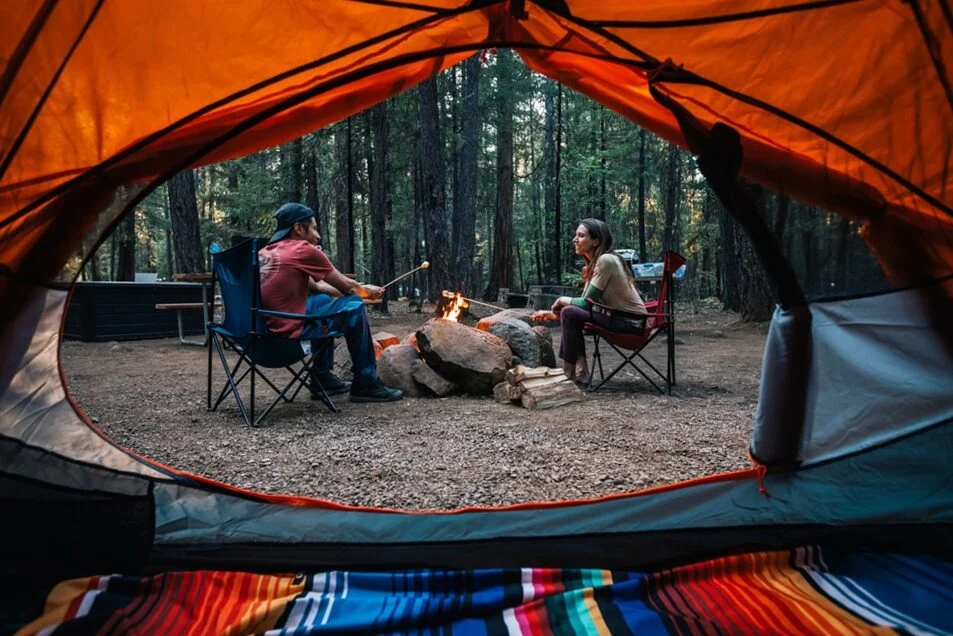
Selecting the ideal tent site is key for a comfortable experience. Look for a shaded clearing or a designated camping zone (avoiding areas with frequent foot traffic). Opt for a flat, grassy patch devoid of stones, twigs, pine needles, or roots that could puncture your tent floor or cause discomfort during sleep. Always pitch your tent only in officially designated areas or with explicit permission from the landowner.
A reliable tent is non-negotiable for any camping journey. It provides a sanctuary for rest after a day of exploration and offers crucial shelter from the elements or unwelcome visitors like insects and forest creatures. During warmer months, a hammock can be a delightful alternative for sleeping. In such cases, remember to pack a waterproof tarp along with robust binding ropes (also known as a bivouac or tarpaulin). When suspended above your hammock, it offers additional protection from rain. Bushcraft enthusiasts and survivalists often utilize tarps as a versatile alternative to traditional tents.
Choosing Your Tent
Tailor your camping tent’s size to the number of occupants, the volume of luggage, and your travel style (by car or on foot). For car camping, the tent’s weight and bulk pose less of a challenge. Family campers might benefit from a multi-person model, perhaps with two separate compartments for parents and children, a generous vestibule, and even a dedicated kitchen area. For solo or duo adventures, especially when hiking or cycling, a smaller, lighter igloo-style tent designed for 2 or 3 people is ideal, easily fitting into a backpack or attaching externally.
When selecting your tent, pay close attention to the materials: both the flysheet and the groundsheet should exhibit excellent resistance to moisture and water (with a waterproof rating of at least 1,500-2,000 mm water column), as well as durability against flames, abrasion, and tearing. Adequate ventilation holes are also vital to ensure proper air circulation and minimize condensation build-up (two openings are particularly useful for larger groups). The tent’s color matters too: opt for discreet, natural tones like khaki, dark green, or olive to blend into the environment and avoid attracting undue attention from wildlife or other campers.
At Sportno, you’ll discover an extensive selection of camping and hiking tents, ranging from 1-person to 8-person capacities, from leading camping equipment brands such as: High Peak, Jack Wolfskin, Thule, Avid Carp, Carp Spirit, Coleman, Delphin, and Easy Camp.
The Essential Sleep System
Beyond the tent, a well-chosen sleep system is paramount for ensuring comfort and thermal regulation:
Select your sleeping bag based on the season you’ll be camping. For the warmest periods, a lightweight summer model or an ‘envelope’ style bag (which can fully unzip to act as a quilt) is a great choice. For optimal comfort during transitional seasons or cooler summer nights, a three-season sleeping bag (like a mummy-style design) is recommended. Climate also influences material choice: synthetic fill performs best in damp conditions, while down insulation is superior for dry, cold environments.
A sleeping pad, mattress, or self-inflating mat serves as an essential insulating layer. Placing it beneath your sleeping bag provides crucial protection from ground cold and significantly enhances comfort on uneven terrain.
When you’re camping, meal preparation doesn’t have to be a chore, as many established campsites offer communal cooking facilities or are conveniently located near food vendors. A portable barbecue is always an option, as is a travel cooler (using frozen cartridges for a weekend, or an electric version connected to a car battery) to keep fresh ingredients instead of relying solely on canned goods. However, if you plan to camp far from civilization, your primary needs will include a travel stove and fuel cartridge for boiling water for coffee/tea or preparing freeze-dried camping meals. A durable set of camping dishes and cutlery will also be indispensable.
Cooking Gear: Travel Stoves & Fuel
A variety of portable stoves are available, including single or double-burner models requiring a gas cartridge connection, multi-fuel stoves that can burn liquid or solid fuels, electric options, or minimalist gas burners perfect for short trips and when backpack space is limited. Fuel cartridges, which contain compressed gas, come in different types: screw-on, puncture-style, or refillable.
Essential Cookware and Utensils
The best choice for camping is lightweight, reusable trekking cookware. These items are not only durable but also incredibly light. Consider a multi-functional ‘spork’ (spoon, fork, knife in one). A sturdy bowl, a 1-liter travel mug that can double as a pot for boiling water on a stove or campfire, and a compact pan (e.g., 22 cm diameter) and pot or kettle are all highly practical additions.
To round out the above list of essential camping items, remember to include:
- A comprehensive first aid kit, containing: an assortment of patches and bandages, sterile dressings, disinfectants, an NRC thermal blanket, pain relievers, remedies for diarrhea and vomiting, tick and mosquito repellents, tweezers, small scissors, and latex gloves.
- Paracord Rope – This versatile rope can be used for various purposes, such as a clothesline for drying gear or to rig a portable camping shower.
Organizing your first-ever tent trip can seem time-consuming, but it promises to be an incredibly fun and rewarding experience. Each subsequent camping adventure will equip you with even better preparation for diverse situations. Before you set off, jot down a detailed packing list of camping equipment, essential accessories, and gadgets—whether on paper, in a mobile app, or an Excel spreadsheet—to ensure nothing is forgotten. Always confirm that your chosen camping spot is suitable and permissible. If your perfect camping location is on private land or within a government-administered area, contact the relevant administrator or owner to secure the necessary permits.