
Embarking on winter mountain adventures demands meticulous preparation, particularly when it comes to selecting the right gear. Your equipment is not merely an accessory; it’s a critical determinant of your comfort, safety, and overall success in challenging, unpredictable environments. To confidently navigate rugged, snow-covered terrains and withstand harsh weather, you need robust, versatile, and dependable tools.
The foundation of any secure and enjoyable winter expedition lies in thoughtfully chosen gear. Every single item must be carefully evaluated, considering factors such as the journey’s duration, its thermal resistance against intense cold, and the comfort it provides under extreme conditions.
The Indispensable Nature of Winter Expedition Readiness
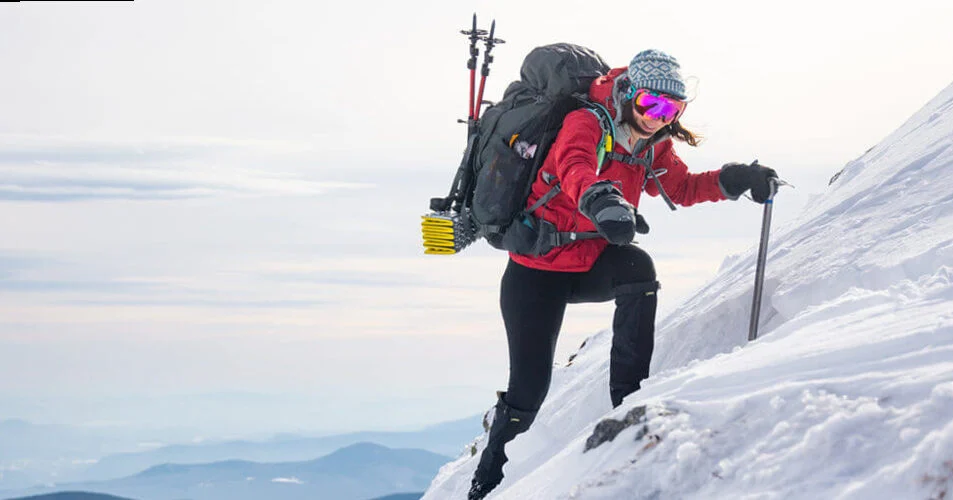
Layered Clothing System
The Base Layer: The primary function of the base layer is to manage moisture by wicking sweat away from your skin, thereby preventing heat loss due to dampness. Fabrics like Merino wool or advanced synthetic fibers are perfect for this foundational layer, offering quick-drying properties and efficient body temperature regulation.
The Mid Layer: This is your crucial thermal insulation layer, often composed of fleece or down. Natural down is an exceptional insulator, trapping warmth very effectively, but it demands careful handling in humid conditions. For those anticipating damp environments, synthetic insulation presents a practical alternative, as it retains its insulating properties even when wet.
The Outer Layer: Frequently referred to as the “Shell,” this layer forms your ultimate shield against the elements. A jacket constructed from highly waterproof and wind-resistant materials, such as Gore-Tex, is indispensable. It protects your inner layers and provides a crucial barrier against biting winds and precipitation. The same principles apply to your trousers: they must be waterproof and designed to allow unrestricted movement. For a comprehensive guide on layered clothing, explore more here.
Winter Boots
Your winter boots are foundational to your safety and comfort, demanding a robust construction, superior insulation, and complete waterproofing. Specialized models designed for cold-weather expeditions are engineered to endure frigid temperatures and feature high-traction, non-slip outsoles, providing optimal grip on treacherous snow and ice. The selection of appropriate boots must also factor in their compatibility with crampons, which can be automatic, semi-automatic, or strap-on (universal), depending on the specific sole design of your footwear.
Crampons and Ice Axes
Crampons are indispensable for secure travel across icy or steep snow-covered terrain. Depending on the anticipated route, you might choose between 10-point or 12-point crampons, which are adjustable to fit various boot types. Technical crampons are highly recommended for routes involving steep inclines, mixed climbing, or glacier crossings, whereas universal strap-on versions suffice for more moderate, less technical paths.
The ice axe (piolet) serves a dual purpose: providing stability and acting as a crucial self-arrest tool in the event of a fall or slip. For optimal effectiveness, your ice axe should be well-balanced and appropriately weighted for the intensity of your excursion. Furthermore, it is paramount that trekkers are proficient in self-arrest techniques to effectively utilize the ice axe in an emergency. Discover a comprehensive article detailing the different types and proper usage of ice axes.
Headlamps with Spare Batteries
A robust, water-resistant headlamp is absolutely vital for navigating the low-light conditions prevalent in winter. Modern LED headlamps provide powerful and durable illumination, often with adjustable intensity settings to suit varying requirements. Carrying spare batteries is critical, as cold temperatures significantly reduce battery life. To mitigate rapid drainage, keep spare batteries warm, ideally close to your body.
Navigation and Communication Devices
Beyond the fundamental topographical map and compass, a handheld GPS unit offers valuable assistance in verifying your location, especially on unmarked trails. In areas with unreliable or absent cellular service, a satellite communication device or a Personal Locator Beacon (PLB) becomes an indispensable lifeline. These critical tools enable you to transmit your precise coordinates to rescue services during an emergency, ensuring effective communication even in the most remote regions.
Head, Hand, and Face Protection
Extremities are particularly vulnerable to rapid frostbite and heat loss, making robust protection for your head, hands, and face absolutely crucial. Essential items include a thermally insulated hat, a pair of waterproof and insulated gloves, and a face mask or balaclava to shield against significant heat loss and biting winds. When selecting gloves, ensure they provide not only excellent thermal insulation but also sufficient dexterity for handling crampons and ice axes.
Conclusion
In essence, the deliberate selection of appropriate winter gear is paramount for safeguarding both your well-being and enjoyment during demanding mountain excursions. Winter settings pose distinct hurdles, encompassing sub-zero temperatures, volatile weather patterns, and treacherous landscapes. To traverse these safely, outdoor enthusiasts must depend on equipment that is robust, versatile, and utterly dependable. Each component, from your layered apparel to specialized technical instruments, serves an indispensable function in shielding you from the elements and preserving your physical health throughout your journey.
The choice of winter equipment necessitates meticulous consideration, factoring in the planned duration of your outing, anticipated climatic conditions, and the intensity of physical exertion. Properly chosen gear not only elevates safety standards but also significantly enhances comfort, freeing adventurers to immerse themselves in the experience rather than contending with the discomfort of cold or inadequate defense. Materials offering superior insulation, effective moisture management, and robust resistance to wind and snow are vital, as is gear engineered for unwavering stability and longevity in unforgiving environments.
Furthermore, comprehensive winter preparation cultivates a sense of assurance and markedly lowers the potential for mishaps. Being confidently equipped empowers you to make sounder decisions and maintain stamina, even when confronted with severe conditions. This scrupulous method of gear procurement guarantees that every expedition is both gratifying and secure, irrespective of winter’s inherent unpredictability.
Ultimately, venturing into mountainous regions during winter demands astute foresight and the correct ensemble of gear. By dedicating time and effort to acquiring high-performance, practical, and reliable equipment, adventurers can confidently explore the majestic winter landscape, appreciate the unique splendor of the season, and maximize their outdoor engagement while effectively mitigating the inherent risks of extreme conditions.