
The fleece jacket stands as an exceptionally versatile and indispensable component of any outdoor enthusiast’s wardrobe. It excels at trapping warmth, providing vital insulation against biting cold and damp conditions, all while ensuring excellent breathability during strenuous outdoor pursuits. Discover the essence of fleece, explore the various types of this essential mountain apparel, learn what key factors to consider when making a purchase, and understand how to properly care for your fleece jacket to ensure it accompanies you on countless mountain escapades.
Fleece is a unique type of synthetic fabric, specifically engineered to deliver superior comfort and robust protection from both cold and moisture. Renowned for its exceptional thermal insulation properties, remarkable lightness, and incredible softness, it has become a staple. It’s frequently employed as a crucial insulating layer or as an outer garment by active individuals who prioritize maintaining optimal thermal comfort in cooler environments. A wide array of fleece types exists, varying significantly in their weight, finish, and intended application, allowing for precise selection based on specific activities and prevailing weather conditions.
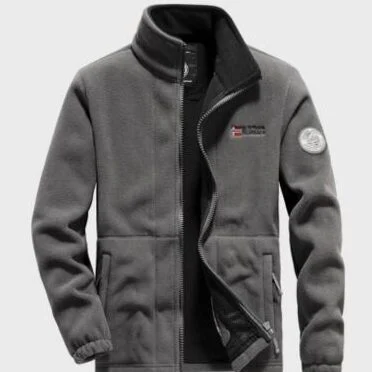
The development of fleece is the culmination of extensive research into advanced technical apparel, with its origins intrinsically linked to Malden Mills (now Polartec). This company played a pivotal role in refining and popularizing this groundbreaking fabric. In 1979, the American corporation, spearheaded by Aaron Feuerstein in collaboration with the Patagonia brand, unveiled the very first fleece materials, distinguished by their lightness, warmth, and rapid drying capabilities. Initially christened Polartec, this iconic material drew its inspiration from the dense fur of polar bears. As fleece gained widespread recognition, an increasing variety of this material emerged, leading to the creation of jackets, vests, trousers, hats, gloves, neck gaiters, and scarves – each tailored for diverse activities, climates, and terrain. Modern fleece materials are significantly more advanced, offering unparalleled thermal insulation, breathability, and comfort. Innovations now include antibacterial technologies and enhanced moisture-wicking properties. Today, our focus is on the fleece jacket, which has evolved into an indispensable item in the wardrobe of mountain tourists, climbers, trekking enthusiasts, winter sports participants, and indeed, anyone who simply cherishes warmth and comfort in challenging conditions.
Polartec, standing as one of the foremost innovators and manufacturers of fleece materials, has developed numerous varieties, each meticulously adapted for distinct activities and atmospheric conditions. We highlight:
- Polartec Classic – This is the foundational fleece type, available in various weights, including thinner versions. It is characterized by its superior softness, light weight, and excellent thermal insulation;
- Polartec Power Stretch – An elastic fleece engineered for activities demanding an extensive range of motion. It is perfectly suited for layering beneath more form-fitting outer garments;
- Polartec Alpha – An advanced fleece that masterfully balances warmth with high breathability. It is frequently integrated into mountaineering apparel and other dynamic activity wear;
- Polartec Windbloc – Specifically designed to provide robust protection against wind and cold. Its inherent warmth and resilience make it a common choice for wind-resistant jackets and shirts;
- Polartec Thermal Pro – Distinguished by its varied surface textures and internal structures. It also offers exceptional warmth.
Certain Polartec fleece materials further incorporate specialized finishes or technologies, such as:
- Polartec Power Dry – Guarantees rapid moisture removal from the body, making it ideal for intense physical activities;
- Polartec Hardface – A surface treatment that significantly enhances the fleece’s resistance to snags, abrasion, and moisture;
- Polartec Eco-Engineering – An innovative approach to fleece production aimed at minimizing environmental impact.
The weight of fleece is a critical parameter, defining the material’s mass per square meter. This serves as an important indicator of the fabric’s thickness and its degree of insulation. Generally, a higher weight correlates with a thicker fleece. The weight is typically expressed in grams per square meter (g/m²). Here are some examples of fleece weights and their common applications:
- 100 g/m² – These are lightweight fleece materials, often referred to as microfleece. They are perfect for warmer conditions or as a foundational layer in multi-layered clothing systems. Suitable for activities across varying temperatures;
- 200 g/m² – Represent medium-thickness fleece materials that deliver reliable thermal insulation. This is the most prevalent weight, appropriate for cool days in spring and autumn, and also highly effective as an insulating mid-layer within a “dressing in layers” system;
- 300 g/m² and beyond – These are thick and exceptionally warm fleeces, characterized by their high weight, making them indispensable for harsh winter conditions and demanding activities in snowy or high-altitude mountain environments.
The optimal choice of fleece weight is dependent on individual requirements and the intended use. If you anticipate physical activity in frigid conditions, opting for a higher weight is advisable to ensure superior thermal insulation. Conversely, for more dynamic activities in milder weather, a lighter weight might be more suitable, as it offers enhanced breathability. It is also prudent to consider the other garments with which the fleece will be worn and to match its weight accordingly.
Fleece jackets are commonly crafted from polyester or blends of polyester with other fibers, and they exhibit the following distinct properties:
- Thermal Insulation – Thanks to the material’s unique structure, it efficiently retains body heat, helping to maintain an optimal temperature in chilly conditions;
- Quick Drying – The fabric rapidly wicks moisture away from the body and dries quickly after exposure to rain or excessive perspiration;
- Breathability – High-quality fleece jackets facilitate the release of moisture and water vapor from the body, effectively preventing overheating;
- Softness – Fleece material is inherently soft and pleasant to the touch, making it comfortable for direct skin contact;
- Lightweight – Fleece jackets are remarkably light, adding minimal bulk to your gear, which is crucial during extended outdoor activities;
- Durability – Fleece is generally robust, resistant to stretching, deformation, and mechanical damage, as well as color fading, ensuring its utility even in demanding outdoor environments.
Apparel for hiking, trekking, or general outdoor use must be both functional and adaptable to various conditions. Therefore, investing in a high-quality fleece material is paramount for ensuring safety and comfort during your mountain excursions. Beyond the inherent characteristics of a superior fleece jacket, during the purchase process, it is wise to pay close attention to details such such as:
- Sizing and Fit – The jacket should fit well, not too tight, to allow for unrestricted movement and accommodate additional layers of clothing underneath;
- Zippers – Fleece jackets often feature full-length or half-zips. These should be durable and operate smoothly, enabling easy donning and removal of the garment (e.g., YKK zippers are a benchmark);
- Reinforcements – Strategic reinforcements in areas like the elbows or shoulders enhance the material’s resistance to abrasion;
- Hem Drawcord/Adjustment – A drawcord at the base of the jacket helps to achieve a better, more snug fit around the body, sealing in warmth;
- Pockets – Pockets can be invaluable for securely storing small essentials like maps, a compass, or energy snacks;
- Hood or Collar – In mountainous regions, particularly at higher elevations, winds can be strong and piercingly cold. A fleece jacket equipped with a hood or a high collar can provide significant additional protection for the head and neck.
To preserve your fleece jacket in optimal condition and significantly extend its lifespan, it is crucial to follow proper care guidelines. Before washing, always consult the garment label for manufacturer’s recommendations regarding washing temperature or drying methods. In most instances, fleece can be machine washed using a delicate cycle (typically 30 or 40 degrees Celsius) and mild detergents (specialized cleaners for outdoor clothing are best). Avoid harsh detergents, which can degrade the fabric, and steer clear of fabric softeners, as they can impair the fleece’s water resistance and breathability. Never dry your fleece jacket in direct sunlight or in a tumble dryer, as high temperatures and UV radiation can damage the material. Instead, allow it to air dry in a well-ventilated indoor space. IMPORTANT: Do not iron fleece directly, as it can easily melt or burn. For minor wrinkles, use a “delicate/synthetic” iron setting with a protective barrier (such as a cotton cloth) between the iron and the fabric, or opt for a steam generator.
Camping trips, weekend hikes, backpacking adventures, cross-country skiing, or cycling tours with an overnight tent stay – these are just a few of the myriad outdoor activities where a fleece jacket will serve as an excellent addition to your attire, delivering both thermal comfort and ease of use. Remember, the selection of your fleece jacket should always align with your individual needs and anticipated usage. Explore:
Women’s, men’s, and children’s fleece options
From reputable manufacturers such as: Salewa, The North Face, Marmot, Salomon, CMP, Mammut, King Sau Lego, which are renowned for guaranteeing quality and durability. Discover a wide selection of tourist fleece jackets available at Sport.ro.