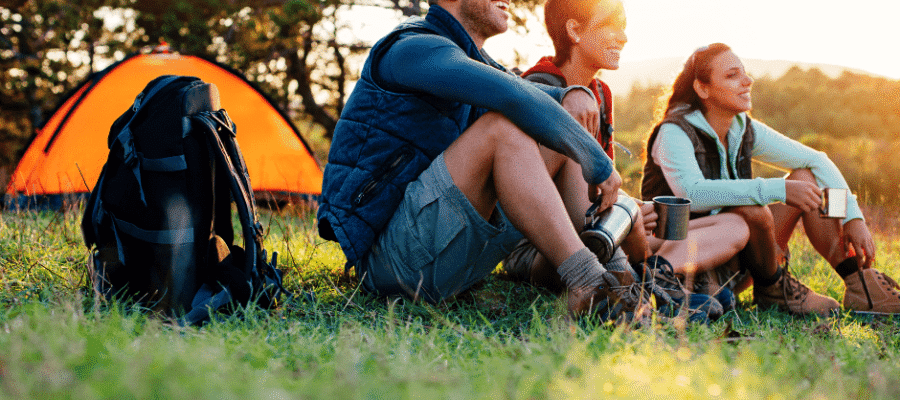
Have you ever encountered the phrase ‘wild camping’ or ‘off-grid camping’ and wondered what it truly entails, or how it differs from a conventional campsite? You’ve landed in the perfect spot! This comprehensive guide will equip you with all the essential information, empowering you to decide if this unique outdoor adventure is calling your name.
What is Wild Camping (Off-Grid Camping)?
Wild camping, often referred to as off-grid camping or dispersed camping, involves spending the night outdoors using a tent, caravan, RV, car, or even just a sleeping bag under the stars. Fundamentally, it’s about escaping the urban hustle and reconnecting with the great outdoors, far from developed areas.
While many of us appreciate the comforts of modern campgrounds – the luxury of swimming pools, clean restrooms, hot showers, and even nearby restaurants – there’s a growing desire among adventurers to seek out a more untamed, authentic connection with nature. This is where wild camping comes in.
Unlike traditional campgrounds, wild camping typically occurs in undeveloped locations without access to amenities like electricity, running water, or sewage hookups. This means you’ll need to bring all your essential supplies, including potable water, power sources, and waste management solutions, for the duration of your trip. While the idea of roughing it might initially seem daunting, this style of camping has surged in popularity, particularly among couples and families seeking a truly immersive and genuine wilderness experience.
Why Embrace Wild Camping?
1. Unrestricted Freedom to Choose Your Pitch
Forget manicured lawns and designated, fenced-off spots. Wild camping grants you the freedom to set up your tent or park your vehicle virtually anywhere permissible – be it nestled among a forest of trees, on a secluded beach, or by the serene banks of a river. Campfires are often a cornerstone of the wild camping experience, offering warmth, light, and a means to cook delicious meals while fostering relaxation. However, always prioritize safety and local regulations when lighting a bonfire.
2. Discover Unrivalled Peace and Solitude
Traditional campsites can become quite crowded during peak seasons, and if bustling crowds, loud groups, or constant music aren’t what you’re seeking, wild camping offers the perfect antidote. Here, you dictate the atmosphere – whether you desire a solitary escape, a tranquil family getaway, a bonding trip with friends, or an adventure with other like-minded campers.
3. Pet-Friendly Adventures Await
Many established campgrounds impose strict no-pet policies for various reasons. In stark contrast, opting for off-grid camping means your beloved canine companion, or any other pet, can freely join you on every step of your journey. After all, they’re an integral part of the family!
4. Foster Healthier Development in Children
Wild camping provides an incredible learning environment for children. Little ones thrive in nature, eager to explore their surroundings, climb trees, forage for berries, learn survival skills like fire-starting, navigate with a compass, embark on thrilling hikes, stargaze, and engage in countless other enriching activities. These wonderful experiences, guided by your encouragement, are invaluable for their physical and mental well-being.
5. Unparalleled Flexibility and Mobility
Perhaps one of the most compelling advantages is the freedom from being tied to a single location. If you grow tired of your current wild camping spot, there’s no hassle; simply pack up your tent and gear, or hop back into your vehicle, and choose another picturesque area. This flexibility allows you to seamlessly enjoy diverse landscapes – from lush forests to majestic mountains or unique coastal spots – all within a single trip, and without any additional booking costs.
Essential Gear for Your Off-Grid Camping Adventure
If you’re ready to embark on an off-grid camping holiday, careful preparation is key. Here are some indispensable items you’ll need to remember to ensure a safe and enjoyable experience:
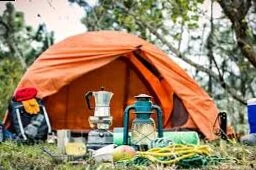
- Lighting Sources: Pack headlamps, lanterns, and flashlights. Even on bright nights, proper illumination is crucial.
- Cooking Equipment: Don’t forget a portable stove, barbecue, or a kettle for preparing meals and hot drinks.
- Potable Water: This is paramount! Always carry an ample supply of drinking water, especially if you won’t be near a natural spring or treated water source.
- Heat Sources: Even during summer, nights can get surprisingly cold, particularly in mountainous regions. Bring warm clothing, suitable sleeping bags, and consider a portable heater if appropriate for your setup.
- Power Sources: An inverter, portable power bank, or rechargeable batteries are essential for charging devices, especially if you’re using an RV or car.
- Insect Repellent and Sun Protection: Protect yourself from bugs with insect spray and shield your skin from the sun with high SPF lotions.
- Waste Bags: Practice Leave No Trace principles. Always pack out everything you pack in, including all trash, to preserve the wilderness for future adventurers.
Ultimately, the best advice we can offer for wild camping is simple: Give it a try! You’ll never truly understand the profound beauty and unique rewards of this experience until you immerse yourself in it – whether under the vast open sky or within the walls of your own tent.