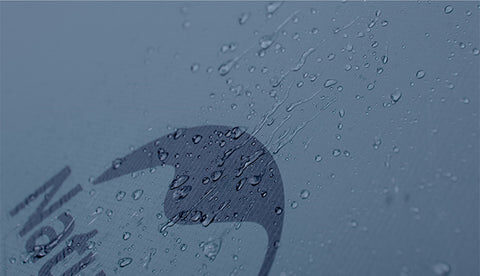
In the realm of outdoor adventures and daily utility, the demand for superior waterproofing continues to rise. Whether it’s for essential gear like camping tents, protective coverings, or everyday items such as umbrellas, users expect robust water resistance and hydrophobic performance. This naturally leads to a crucial question: how can we continuously innovate and enhance the water-repellent capabilities of modern products?
The efficacy of a multi-layered waterproof curtain cannot simply be assumed without rigorous testing. It’s insufficient to rely on visual inspection or casual methods; true waterproof performance must be scientifically measured. Factors like resistance to static water pressure, mimicking prolonged rainfall, and the ability to withstand washing without degradation require precise indices and standardized evaluation protocols.
Understanding Waterproofing Tests: Beyond Simple Observation
- Attempting to “sink” water drops with your fingers.
- Forcefully pushing a corner of the fabric.
While these basic checks might offer a rudimentary sense, they are far from reliable indicators of true waterproofing. Fabric that allows water drops to easily “sink in” or saturate is unequivocally not qualified. For genuine outdoor protection, the material should be able to withstand a static water pressure of at least 1500 mm, which is a standard benchmark for effective water resistance in challenging conditions.
The science behind a fabric’s water resistance largely resides in its PU (Polyurethane) layer and advanced coating technologies. This protective layer’s thickness is quantified in millimeters (mm), representing the height of a static water column the fabric can endure in laboratory conditions before penetration. For instance, a PU800 rating indicates the coating successfully prevents water from permeating under an 800 mm static water column.
Determining Waterproofing Levels
- 300 mm Waterproof: Typically suitable for casual items like beach shades, light sun cream curtains, or basic cotton covers designed for dry conditions and very light drizzles.
- 800 mm – 1200 mm Waterproof: Ideal for conventional, simple camping curtains and tents, offering reliable protection against moderate, light rain.
- 1500 mm – 3000 mm Waterproof: Designated for mid-range camping tents and outdoor curtains, capable of fending off heavy rainfall and more challenging weather conditions.
- Over 3000 mm Waterproof: These are professional-grade curtains and tents, often featuring advanced treatments for extreme temperatures and cold resistance, designed for use in diverse and demanding environments.
It’s crucial to note that the tent floor (groundsheet) requires a significantly higher waterproof rating than the outer tent fabric (flysheet). This is because the groundsheet is in direct contact with the ground, constantly exposed to soil moisture, and susceptible to water pooling and pressure during rain.
Three-Season Tent Requirements
For a three-season tent (designed for spring, summer, and autumn use) that isn’t intended for extreme conditions, a waterproof PU rating of 2000 mm to 3000 mm is generally ample. A common configuration includes an external flysheet with a PU2000mm waterproof rating and a groundsheet with a PU3000mm rating, providing sufficient protection for camping in moderate rainfall.
Four-Season Tent Requirements
Four-season tents are engineered for demanding environments, such as high altitudes, heavy snow, and strong winds. Consequently, their waterproof coefficient requirements are much higher, typically ranging from 3000 mm to 5000 mm. An example is an alpine snow tent, which might feature an external flysheet with a PU3000mm waterproof rating and a groundsheet with a robust PU5000mm rating.
Showcase: Naturehike Waterproof/Rain-Proof Tent
Example: 2-Person 4-Season Camping Tent
Advanced Rain-Resistant Fabrics
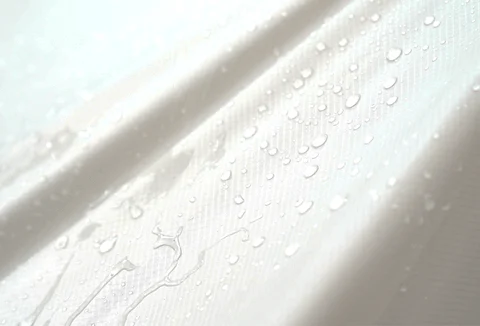
Crafted from a durable 20D/210T silicone nylon material, and featuring a high-performance 4000+/3000+ waterproof layer, this tent is expertly designed to meet your needs for both leisurely camping trips and challenging rainy conditions.
Ventilation & Fabric Features
Further enhancing its design, the tent incorporates a dense Oxford fabric (a robust weave, not a waterproof rating in this context) and includes a bidirectional ventilation window strategically placed on the roof to promote optimal air circulation inside and out.
Conclusion
In summary, the growing emphasis on effective waterproofing solutions in modern gear and accessories underscores a critical shift in consumer expectations. As users demand greater reliability, manufacturers face the imperative to continually enhance hydrophobic performance, particularly for items exposed to consistent or unforeseen water contact. Waterproofing has transitioned from a supplementary feature to a fundamental requirement, directly influencing product utility, longevity, and user confidence.
The discussion surrounding whether multi-layered waterproof curtains can truly perform without comprehensive equipment testing highlights the irreplaceable value of standardized evaluation methods. Without precise measurement of water resistance—through techniques like static pressure tests simulating heavy rainfall—any claims of durability remain unverified. This necessitates the establishment of industry-wide benchmarks that deliver transparent, dependable, and comparable results for both consumers and producers, ensuring products consistently fulfill their protective promises.
Moreover, the reality that waterproofing challenges cannot be simply “washed away” or sidestepped points to the inherent complexities of contemporary material science. Beyond mere design assumptions, real-world scenarios—including intense downpours, sustained static water pressure, and long-term wear and tear—must be meticulously accounted for. Future innovations, therefore, should not merely focus on adding more layers but rather on refining material composition, advancing surface treatments, and optimizing overall structural integrity. Breakthroughs like nano-coatings, intelligent breathable membranes, and hybrid protective barriers are poised to elevate performance to new heights.
Ultimately, achieving superior waterproofing involves a delicate balance of functionality, user comfort, and enduring resilience. As modern lifestyles increasingly call for versatile products, the demand for advanced waterproof technologies will only intensify. Through strategic investment in meticulous testing, pioneering materials, and user-centric design, manufacturers can ensure that waterproof devices and accessories deliver unwavering reliability and peace of mind, even in the most challenging environmental conditions.