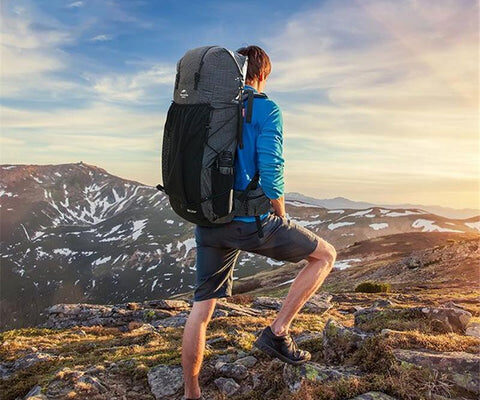
Embarking on your first outdoor adventure? This comprehensive guide offers invaluable advice and practical suggestions to help beginners gain confidence and experience in the thrilling world of hiking and camping!
Trailblazer’s Essentials: Key Hiking Advice
- Strategic Planning
- Core Gear Selection
- Group Dynamics & Safety
- Health Readiness & Weather Awareness
- Appropriate Attire
- Optimizing Your Pace
- Foot Care Mastery
- Structuring Your Day
Strategic Planning for Treks
Every successful outdoor adventure begins with meticulous planning. Before setting out, thoroughly research your chosen destination. This involves understanding the terrain, identifying potential routes, estimating daily distances, pinpointing key landmarks, and arranging for food and overnight stays. An ill-defined goal can lead to disorientation or getting caught unprepared as night falls.
Core Gear Selection & Essentials
Beyond the necessities for daily life, aim for a minimalist approach with your gear. Avoid superfluous items. If traveling in a group, coordinate to share bulkier items, thereby reducing the load for everyone. For summer excursions, a wide-brimmed hat and an ample water supply are non-negotiable for sun protection and hydration.
Group Dynamics & Safety on the Trail
For enhanced safety and camaraderie, it’s highly recommended to hike in groups, ideally with at least three people. This ensures mutual support and assistance if unforeseen circumstances arise. However, overly large groups can hinder progress and coordination. Focus on keeping your luggage compact and light, but always include a basic first-aid kit with essential medications.
Health Readiness & Weather Awareness
Before any major trek, assess your physical condition. Individuals with specific ailments such as lower limb issues, severe skin conditions, or flat feet may find strenuous hiking unsuitable. Equally important is to check the prevailing weather conditions for your chosen dates, preparing for sun, rain, or temperature fluctuations.
Campsite Attire: Dressing for Comfort & Protection
For your feet, lightweight, comfortable, and well-fitting shoes with good grip, elasticity, and breathability are paramount. Trail-specific shoes are ideal. To prevent discomfort and blisters, break in new hiking boots over several days before your trip. Always carry a spare pair if possible. Socks should also fit snugly without being too tight or too short. Avoid new shoes and thin-soled footwear.
For longer hikes, gradually build your stamina with preparatory workouts, increasing intensity over time. When on the trail, maintain a balanced posture and a moderate stride, allowing your feet to feel the ground. Adopt a gradual approach; if you’re new to extended walks, start with shorter distances and progressively increase your mileage. Avoid rushing at the start to prevent early fatigue. Confidence will grow with experience.
During summer hikes, plan to avoid the hottest hours (typically 11:00 AM to 3:00 PM). Always wear a hat and ensure your water bottle is full to mitigate the risk of heatstroke.
Optimizing Your Walking Pace
Mastering your pace is key. Generally, start slow, pick up speed in the middle of your trek, and slow down again towards the end. Take a substantial break daily, often for lunch, ensuring your resting spot is sheltered from direct sunlight and overly damp areas.
Prioritize adequate sleep and balanced nutrition. While dried foods are convenient, aim to incorporate fresh fruits and vegetables to maintain energy levels and overall well-being.
Foot Care Mastery for Hikers
After each day’s hike, soak your feet in warm water to alleviate fatigue. If blisters appear, sterilize a needle (with an alcohol swab or by flaming it), gently puncture the blister to drain the fluid, and apply an antiseptic to prevent infection.
When ascending, take short, frequent rests. For steep climbs, utilize a zigzag path to conserve energy. Descending requires a different technique; lean back slightly to relax your lower limb muscles, which helps prevent strain on your lower back and legs.
Structuring Your Daily Plan
Tailor your daily itinerary to your physical condition, typically aiming for a pace of 4-5 kilometers per hour. During your trek, take periodic 15-minute breaks in shaded areas, under pavilions, or other comfortable spots to rejuvenate your energy.
Vary your routes whenever possible to discover new perspectives. Different times of day and seasons reveal unique aspects of the landscape. Occasionally pause to truly absorb your surroundings; you might uncover hidden gems. Pay close attention to rest and self-care. Your hiking schedule should be well-organized, allowing ample downtime to avoid overexertion. If you feel hot or sweaty, be cautious during rests; avoid sitting in drafts or removing layers too quickly, which can lead to chills. Dress or add layers as needed to maintain a comfortable body temperature.
Consultancy on Essential Hiking Equipment
- Choosing Your Backpack
- Selecting Trekking Poles
- Hydration System Options
- Finding the Right Tent
- Picking Trekking Shoes
- Optimizing Hiking Socks
- Outdoor Insect Repellent Strategies
- Nutritional Planning for the Trail
1. Choosing Your Backpack: A Guide
→ For an in-depth guide on selecting the perfect camping backpack, explore our detailed article.
2. Selecting Trekking Poles: Enhanced Stability
→ Learn how to choose and effectively use trekking poles for better balance and support.
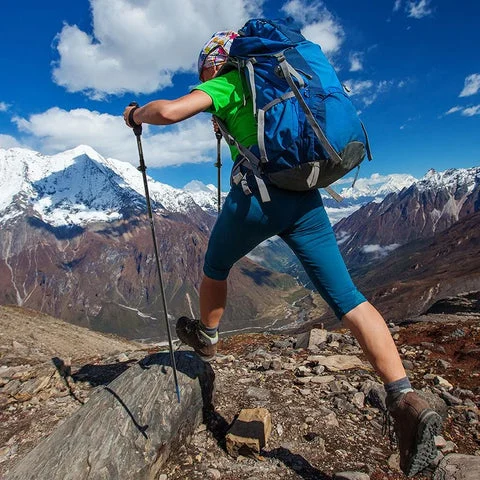
3. Hydration System Options for the Trail
Hydration tools generally fall into two categories: water bladders and insulated bottles. Water bladders, often integrated into mountaineering packs, allow for convenient sipping via a hose, making it easy to stay hydrated with small, continuous sips. The choice between a bladder and bottles often depends on backpack weight and personal preference.
While many water bladders are available, check their specifications as some are not designed for hot liquids. For insulated bottles, prioritize brands known for superior heat retention, especially crucial in colder climates.
4. Finding the Right Tent: Your Shelter Guide
→ Discover how to choose the ideal tent for your outdoor adventures.
5. Picking Trekking Shoes: Foundation for Your Feet
Hiking shoes are composed of five main elements: the sole, upper, laces, tongue, and lining. The soles are critical for anti-slip properties and shock absorption. The shoe’s upper focuses on waterproofing and breathability, often utilizing materials like full leather, hybrid leather, or synthetic blends. Leather uppers are typically treated with a waterproof agent.
Internal linings, such as Gore-Tex or E-vent, provide excellent waterproofing and breathability, with Gore-Tex being widely recognized for its reliability. Most quality hiking shoes require a break-in period; it’s not advisable to embark on a hike with brand-new footwear, although some brands boast out-of-the-box comfort.
6. Optimizing Hiking Socks: Your Feet’s Best Friend
Hiking socks are the second line of defense for your feet. Select socks that complement your hiking shoes – considering their half-height, low-cut, or full-length design. Wool fabrics are highly favored for their comfort, warmth, and exceptional breathability, efficiently wicking away sweat to prevent blisters. Blends of wool and synthetic materials offer the added benefits of shock absorption and reduced moisture absorption by the fibers.
7. Outdoor Insect Repellent Strategies
When hiking outdoors, opt for long-sleeved shirts and long trousers. This not only protects against sunburn but also acts as a barrier against insects. Natural deterrents like wild chrysanthemums or mugwort can offer some mosquito protection.
Avoid lingering or setting up camp in damp, shaded areas near trees, tall grass, or standing water, as these are prime insect habitats. If pitching your tent in nature, consider burning mugwort, cypress leaves, or wild chrysanthemums to deter mosquitoes. Additionally, avoid camping directly beside water sources like rivers, lakes, or canals where insect populations thrive. When traversing grassy areas, try to secure your trouser cuffs to prevent insects from crawling in.
8. Nutritional Planning for the Trail
Your trail food should provide a balanced intake of carbohydrates, fats, and proteins. Carbohydrates are easily digested and absorbed, offering quick energy for immediate activity, making them ideal for snacks during your hike. Fats provide a sustained energy release due to their longer digestion process, serving as a vital long-term fuel source. Proteins are essential for muscle repair and maintenance during prolonged physical exertion. A thoughtful combination of these macronutrients will ensure a consistent energy supply throughout your hiking journey.