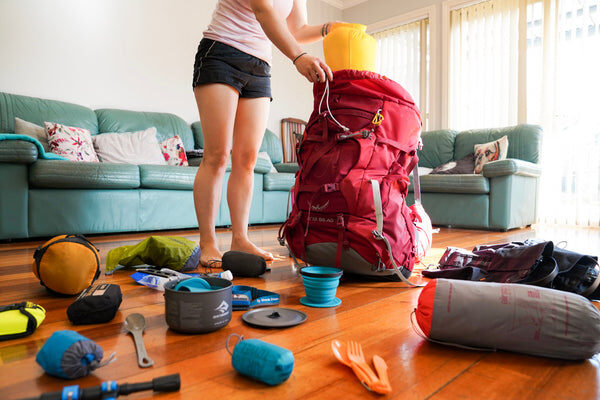
The optimal way to pack your backpack varies significantly based on your environment, specific needs, and hiking experience. Generally, hikers can be categorized into these main types:
- Ultra-light Backpackers
- Light Backpackers
- Standard Backpackers
Ultra-light Backpackers:
True ultra-light backpacking focuses on speed and minimal weight, typically aiming for a pack weight of under 10 kg. Achieving this significant weight reduction often involves investing in specialized, high-performance gear, which can be more expensive than standard equipment.
→ Example: 60L+5L Multi-functional Mountain Backpack with Rain Cover
Light Backpackers:
Light backpackers, often with some prior experience, prioritize ease of transport over carrying excessive loads. They typically aim for a pack weight significantly less than the 20+ kg often associated with heavier setups, preferring agility on the trail.
→ Example: Lightweight Outdoor Mountaineering and Camping Bag
Standard Backpackers:
Standard backpackers, including many hiking enthusiasts and beginners, often start with packs weighing around 15 kg, which can sometimes feel overloaded. It’s a universal truth, however, that reducing your pack weight ultimately leads to a more enjoyable and less strenuous experience for all hikers and climbers.
5 Essential Tips for Efficient Backpack Packing
- Safety First
- Eliminate Non-Essential Items
- Optimize Essential Item Weight
- Choose Multi-functional Gear
- Embrace Simplicity
1. Safety First
Regardless of your experience level or the environment, the primary goal of lightweight packing must always be to maintain safety. Transitioning to a lighter backpack isn’t an overnight task; it demands time, consistent practice, and a shift in mindset. True weight reduction is a gradual journey that should evolve alongside your development of crucial backcountry skills. When initially reducing your pack weight, err on the side of caution. Start by carrying what you deem essential, and with each trip, you’ll refine your understanding of what can truly be left behind and what remains indispensable.
2. Eliminate Non-Essential Items
Differentiating between essential and non-essential items can be challenging, as it largely depends on individual experience, personal preferences, and the specific hiking environment. Before every outing, meticulously review each item in your backpack and pose these two critical questions: ‘Do I genuinely need this?’ and ‘What are the real consequences if I don’t bring it?’ Many hikers discover they carry a surprising amount of gear out of habit rather than actual necessity.
3. Optimize Essential Item Weight
Thanks to continuous technological advancements, outdoor gear is becoming increasingly robust yet lighter. Innovations in materials and design have significantly reduced the weight of essential items like tents, sleeping bags, backpacks, and sleeping pads. Consequently, upgrading older, heavier versions of these core pieces of equipment represents one of the most impactful steps you can take to decrease your overall pack weight.
4. Choose Multi-functional Gear
Numerous items in your backpack can serve multiple purposes. Think of your sleeping pad which can also insulate, or trekking poles that can support a shelter. By consciously choosing versatile, multi-functional gear, you can eliminate redundant or repetitive items, thereby significantly lowering your backpack’s total weight.
5. Embrace Simplicity
Resist the urge for fancy or extravagant gear. Every item you carry should be practical and serve a necessary function, rather than being a luxury or a trendy gadget. Opt for straightforward, functional equipment that inherently minimizes excess weight.
Strategies for Reducing Food and Water Weight
For backpackers pursuing lighter and ultra-light setups, the combined weight of food and water frequently surpasses the weight of all other gear. For instance, a five-day supply of food alone could easily weigh around 4.5 kg, with water adding even more. Therefore, when planning your provisions, a crucial question to ask before heading into the wilderness is: ‘How can I minimize the food and water I carry without jeopardizing my health and safety?’
Food
Ultra-light backpackers are particularly discerning about their trail nutrition, seeking food that is delicious, nutritious, and healthy, yet also compact, easy to prepare, and quick to cook. When considering food choices for weight reduction, focus on the following strategies:
- Prioritize High-Calorie Foods
- Minimize Food Moisture Content
- Reduce Cooking Needs for Less Weight
- Repackage Thoughtfully
- Eat Before You Depart
- Strategize Food Distribution
1. Prioritize High-Calorie Foods
Foods with high caloric density offer a superior energy-to-weight ratio, providing more sustenance per gram. Excellent examples include various dried fruits, peanut butter, granola, corn chips, hard cheeses, and energy bars. For consistent energy throughout the day (e.g., every hour or two), opt for snacks rich in both carbohydrates and healthy fats.
2. Minimize Food Moisture Content
Freeze-dried and dehydrated foods are excellent for backpacking because they are lightweight, highly portable, and remove water content without compromising caloric value—making them highly effective for weight reduction. However, not all freeze-dried and dehydrated options are created equal; many processed varieties can be low in nutritional content. Always read ingredient labels carefully before purchasing. Furthermore, if you plan to carry pre-packaged meals, consider removing excess packaging before your trip to save both weight and valuable pack space.
3. Reduce Cooking Needs for Less Weight
Limiting yourself to just one cooked meal per day significantly reduces the amount of cooking fuel you need to carry. In warmer climates, you might even consider foregoing cooking entirely, which would allow you to leave your stove and fuel canister at home, resulting in substantial weight savings.
4. Repackage Thoughtfully
Repackage food items by removing all unnecessary original packaging before your trip. Excess packaging adds negligible weight that accumulates, and it also takes up valuable space in your pack.
5. Eat Before You Depart
Always begin your journey fueled by a substantial breakfast or lunch. This simple habit means you’re effectively carrying one less meal in your pack from the outset.
6. Strategize Food Distribution
Even with a minimal base weight, a backpack for a 7-day trip will inevitably start heavy. However, your load will progressively lighten as you consume food and fuel. To optimize this, strategically pack the heaviest and most water-rich foods (like fresh fruits and vegetables) for consumption during the initial days of your trek.
Water
To minimize the amount of water you carry without risking dehydration, consider these six crucial strategies:
- Plan Ahead for Water Sources
- Hydrate Thoroughly in the Morning
- ‘Camel Up’ at Sources
- Cook Smart
- Optimize Timing
- Learn from Experience
1. Plan Ahead for Water Sources
Meticulously plan your water strategy before embarking on your hike. Always stay aware of known water sources, monitor your body’s hydration levels, and keep track of your remaining water supply throughout the journey. This proactive approach will help you minimize the need to carry unnecessarily large quantities of water for safety.
2. Hydrate Thoroughly in the Morning
Make it a habit to drink a significant amount of water first thing in the morning, even before fully waking up. The more thoroughly you hydrate at camp, the less water you’ll need to carry (and consume) on the trail later.
3. ‘Camel Up’ at Sources
When traveling between scarce water sources, adopt the ‘camel up’ strategy: drink a full liter of water (or more, as appropriate) just before departing from each source. This practice minimizes the amount of water you need to carry to the next refill point, reducing the burden on your back.
4. Cook Smart
In environments where water is scarce, plan to prepare and consume your main meals directly at a water source. This prevents you from needing to carry additional water specifically for cooking.
5. Optimize Timing
In water-stressed conditions or under an intense sun, reconsider your activity schedule. By resting during the hottest parts of the day instead of exerting yourself, you can significantly reduce your hydration needs.
6. Learn from Experience
Carry only enough water to comfortably reach the next reliable water source. With considerable experience, you’ll develop an intuitive understanding of your hydration needs across various terrains and conditions, allowing you to avoid carrying excess water, beyond what’s prudent for safety. However, if you’re venturing into an unfamiliar environment or are uncertain about water source reliability, it’s always wise to err on the side of caution and carry extra water.
Summary
Mastering the art of backpack packing, especially embracing an ultra-light philosophy, is transformative. It enables faster, more agile excursions, significantly easing the strain on your back, shoulders, and feet. Ultra-light packing isn’t just about shedding ounces; it’s about liberation—allowing you to move more freely, enhance your comfort, cover greater distances, and immerse yourself more deeply in the natural world.