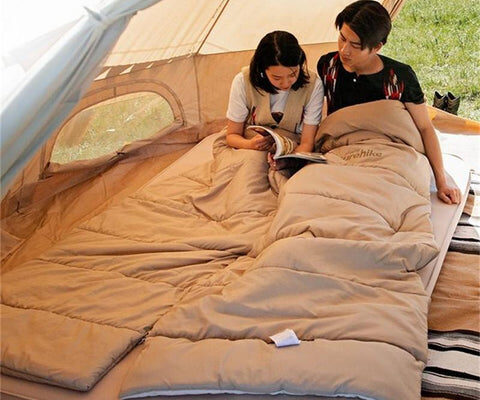
Maintaining your camping gear is essential for its longevity and performance, and your sleeping bag is no exception. Proper care, including effective cleaning, drying, and storage techniques, ensures your sleeping bag remains a warm and comfortable sanctuary on every adventure.
While it might seem intuitive to clean your sleeping bag after every trip, frequent washing can actually diminish its insulating properties and potentially damage the delicate fill. The key is to understand when and how to clean it, minimizing wear while maximizing hygiene and loft.
When to Clean Your Sleeping Bag
Experts generally recommend a full wash for down sleeping bags only every few years (approximately every 3-4 years), or when it becomes visibly soiled or noticeably loses loft and warmth. For synthetic sleeping bags, a similar infrequent schedule applies. To extend the time between washes, consider using a sleeping bag liner, especially a cotton one, which helps absorb sweat and body oils, preventing them from contaminating the bag’s insulation.
The absolute priority for sleeping bag maintenance is keeping it dry! Upon returning from any camping trip, always remove your sleeping bag from its stuff sack. Unroll or hang it in a cool, well-ventilated area to allow any accumulated moisture to dissipate. This crucial step prevents mildew growth and helps maintain the integrity of the insulation.
To Wash or Not to Wash? Debunking Common Myths: There’s often confusion about the best way to clean a sleeping bag. Some believe only hand washing is acceptable, others advocate for machine washing, and some even suggest never washing them at all! The truth is, most down and synthetic sleeping bags can be safely washed, either by hand or in a large-capacity front-loading washing machine, provided you follow specific guidelines.
When drying, excessive heat is detrimental and can damage both the outer fabric and the insulation. Using clean tennis balls or specialized dryer balls can be highly beneficial, as they help break up clumps in the fill and restore loft as the bag dries.
During the drying cycle, remove the sleeping bag every 20-30 minutes. Gently feel for any damp spots or clumps of insulation. Even small clumps indicate that the bag isn’t fully dry. If you find any, gently break them apart by hand. Allow it to rest for about 10 minutes, then return it to the dryer for another 20 minutes. The total drying time can vary significantly based on the bag’s fill power and material, but typically ranges from two to four hours, sometimes longer. The process is complete only when the bag feels uniformly dry and fluffy.
Comprehensive Washing Instructions for Sleeping Bags
- Spot Cleaning (Partial Cleaning)
For minor dirt, oil, or mud stains, spot cleaning is often sufficient and preferred over a full wash. Lay your sleeping bag flat and inspect it for soiled areas. Gently clean these spots with a damp cloth.
For more stubborn marks, use a soft-bristled brush, like a toothbrush, with a mild, diluted detergent. Focus only on the affected area, scrubbing gently.
Small stained sections can be cleaned individually using a small amount of mild soap designed for outdoor gear or down products.
Pay particular attention to the head and neck areas, as these spots are most prone to accumulating dirt and body oils.
- Full Washing (When a Deep Clean is Needed)
If a complete wash is necessary, use a specialized down-specific or technical wash detergent. You can choose between hand washing or machine washing, though hand washing is often recommended for greater control and gentleness, especially for delicate down bags.
Hand Washing Method: For hand washing, fill a bathtub with lukewarm water and add the recommended amount of down-specific detergent. Gently submerge the sleeping bag, ensuring it absorbs water evenly. Do NOT lift the bag when it’s full of water, as the weight can stress and damage the internal baffles and seams. Instead, gently knead the bag to work the soap through the insulation. Rinse thoroughly by draining the tub and refilling with clean water multiple times until all soap residue is gone. Gently press out excess water without twisting or wringing.
Machine Washing Method: If using a machine, opt for a large-capacity, front-loading washer (top-loaders with agitators can be too harsh). Use a gentle or delicate cycle with cold or lukewarm water and a specialized down/technical detergent. Ensure an extra rinse cycle to remove all soap.
After washing and gentle dehydration (spinning out excess water), transfer the sleeping bag to a cool, well-ventilated area. Air-dry it flat in the shade, or tumble dry on the lowest heat setting.
To tumble dry, place the damp sleeping bag in a large dryer with two or three clean tennis balls or dryer balls. These will help break up clumps of down or synthetic fill, restoring its loft. Select the lowest heat setting or a “no heat”/air-fluff mode, as high temperatures can damage the bag’s fabric and insulation. Repeat the drying cycles, regularly checking and fluffing the bag by hand every 20-30 minutes. It’s crucial that the sleeping bag is completely, thoroughly dry before storage, which can take several hours.
If the down or synthetic fill appears unevenly distributed, gently pat or fluff the bag to redistribute the insulation until it feels uniformly lofty.
Once you are certain the sleeping bag is bone-dry, check for any lingering dampness or persistent clumps. Then, store it loosely in a breathable storage sack in a dry environment. In humid climates, running a dehumidifier in the storage area can be beneficial to prevent moisture absorption and maintain the bag’s integrity.
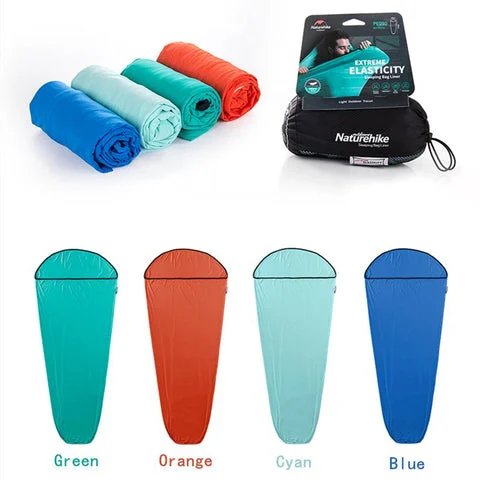
Pro Tip: Extend Your Bag’s Life with a Liner! We highly recommend using a sleeping bag liner, especially if you tend to sweat or anticipate dirty conditions during your climb or adventure. Liners act as a barrier, protecting the inside of your sleeping bag from body oils, sweat, and dirt. This not only keeps your sleeping bag cleaner but significantly reduces the frequency of full washes, preserving its insulating properties and overall lifespan. Remember, if your sleeping bag doesn’t have a noticeable odor or heavy soiling, it’s best to avoid washing it to prevent any reduction in its thermal performance!
Optimal Sleeping Bag Storage Practices
When your sleeping bag isn’t in use for an extended period, it’s crucial to remove it from its small compression or stuff sack. Both down and synthetic insulation can lose their loft and warmth retention if stored tightly compressed for long durations. This prolonged compression can permanently reduce the bag’s volume and thermal efficiency for future uses.
For everyday or long-term storage, avoid compressing your sleeping bag. Instead, store it loosely in a large, breathable mesh or cotton storage sack. Compression sacks are designed only for transport during your adventures, not for long-term storage.
Refrain from hanging your sleeping bag for extended periods, as this can cause the insulation to migrate and deform the bag’s shape. Instead, store it flat or loosely stuffed in a large bag.
Limit direct sun exposure: while a short period (2-3 hours) of indirect sunlight can help air out a bag, prolonged exposure to intense sun should be avoided. The exterior fabric of most sleeping bags is not designed to withstand high temperatures and UV damage over time.
Never dry clean your sleeping bag. The chemicals used in dry cleaning processes can strip away the natural oils from down feathers, impairing their loft and insulation, and can also degrade water-resistant coatings on the fabric.
Keep your sleeping bag away from harsh chemicals such as alcohol, sun cream, liquid foundations, balms, or any corrosive liquids, as these can damage the fabric and insulation.
If you notice a feather working its way out of the fabric, do not pull it. Doing so can enlarge the hole and cause more feathers to escape. The best approach is to gently push the feather back into the bag from the inside, carefully drawing the fabric threads around the hole together to minimize the opening.
Over time and with use, it’s natural for a few feathers or fibers to emerge through the seams. Resist the urge to pull them out, as this can weaken the stitching and lead to more significant fill loss. Instead, gently push the errant filling back into the sleeping bag. It’s a simple trick that helps preserve your bag’s integrity.
This comprehensive care applies equally to both synthetic and down-filled sleeping bags. Over time, regardless of the fill type, sleeping bags absorb body oils, sweat, and dirt. If left uncleaned, this accumulation causes the insulation (down or synthetic fibers) to clump and flatten, severely reducing its ability to trap warm air. This leads to a significant decrease in thermal performance, leaving you cold and uncomfortable during the night. Therefore, after a few camping seasons, remember to give your sleeping bag the thorough cleaning it deserves!