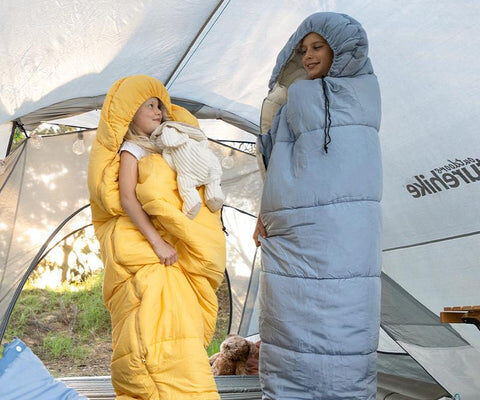
Camping offers an unparalleled opportunity to create cherished memories, relax, and strengthen bonds with family and friends, especially with children. It’s an activity that transcends simple leisure, fostering deeper connections and a profound appreciation for the outdoors.
While camping with children presents its unique set of challenges, the rewards are immeasurable. Engaging in outdoor adventures as a family isn’t just about spending time together; it’s a powerful tool for building parent-child relationships and nurturing vital life skills in youngsters. Through these experiences, children cultivate a spirit of adventure, develop independence, enhance their problem-solving capabilities, and grow in resilience.
So, what essential gear and considerations should be at the forefront when planning a family camping trip?
Essential Family Camping Gear
Selecting the right equipment is paramount for a comfortable and enjoyable family camping experience. Beyond your standard camping essentials, ensure you pack these crucial items when adventuring with children:
- Ample Water & Provisions: Pack plenty of water, wholesome food, and a variety of snacks to maintain energy levels throughout your outdoor adventures.
- Engaging Activities: Bring portable games, outdoor toys, and even simple tools for nature exploration to keep children entertained and stimulated.
- Sufficient Clothing: Pack enough layers and weather-appropriate attire, including rain gear, to adapt to changing conditions and ensure comfort.
- Safety & Medical Supplies: Don’t forget insect repellent, sunscreen, and a well-stocked first-aid kit for any minor scrapes or emergencies.
- Personal Comfort Items: Include any specific items that provide comfort or familiarity for your children, like a favorite blanket or storybook.
Consider products like Naturehike Children’s Sleeping Bags for their comfort and quality.
Key Strategies for a Successful Family Camping Trip
- Involve Children in Destination Planning: Let your kids be part of the decision-making process when choosing your camping spot. Discuss potential locations, what makes them unique, and collaboratively develop a loose itinerary. This fosters excitement and gives them a sense of ownership over the adventure.
- Practice Tent Setup at Home: For children new to camping, set up the tent in your backyard or living room beforehand. Spending a night or even just an afternoon playing and relaxing inside helps them acclimate to the space and build familiarity, making the actual campsite experience smoother.
- Opt for a Spacious Family Tent: Choose a tent designed for at least 3-4 people, or even slightly larger than your family size. This extra room provides ample space for sleeping, changing, and comfortable indoor activities during inclement weather, preventing feelings of claustrophobia.
- Enhance the Experience with Varied Gear: Beyond the essentials, consider bringing items that add extra fun and learning opportunities. A comfortable hammock, a large picnic blanket, fishing rods, or even a portable projector for an outdoor movie night can significantly enrich your family’s camping adventure and provide diverse experiences.
- Engage Children in Camp Chores: Encourage participation in setting up camp. Tasks like pitching the tent, arranging sleeping bags and mats, gathering firewood (under supervision), or preparing the picnic area teach valuable lessons in teamwork, coordination, and responsibility, making them feel like active contributors.
- Explore and Understand the Environment: Upon arrival, take time to explore the immediate surroundings with your children. Identify local flora and fauna, discuss safety rules specific to the area, and help them understand the natural ecosystem they are temporarily part of. This fosters curiosity and respect for nature.
- Prioritize Play and Supervised Exploration: Dedicate plenty of time for unstructured play and exploration. Whether it’s a scavenger hunt, building a fort, or simply wandering nearby trails, ensure activities are age-appropriate and always supervised. Emphasize safety protocols while allowing them the freedom to discover, making their outdoor experience truly memorable.
- Teach Environmental Stewardship: Instill the “Leave No Trace” principles from the very beginning. Educate children on the importance of packing out all trash, refraining from disturbing plants or wildlife, and leaving the campsite cleaner than you found it. This teaches them profound respect for nature and their role in protecting it.
- Master Layering and Sleep Comfort: Educate children on the importance of dressing in layers for outdoor conditions, adapting to temperature changes. When preparing for bedtime, teach them how to properly set up their sleeping bags and mats for maximum warmth and comfort, along with crucial safety tips for sleeping outdoors.
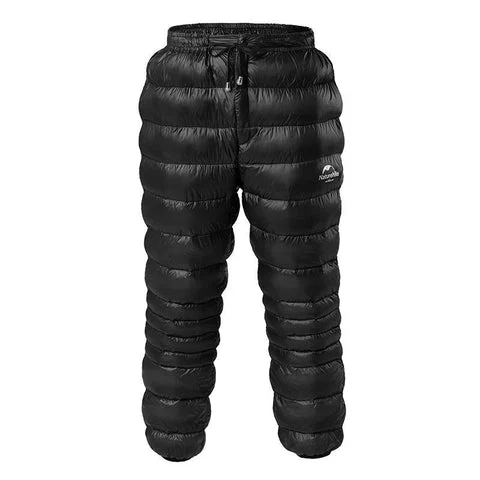
For extreme cold, consider adding items like Naturehike hot hiking goose winter down trousers to their gear.
- Embrace the Joy of Outdoor Living: Once all preparations are complete and camp is set, fully immerse yourselves in the experience. Disconnect from digital distractions and embrace the simple joys of nature, creating a happy and fulfilling outdoor life with your children.
Key Takeaways
While we’ve covered the essential gear and crucial considerations for family camping, always remember that children’s safety is paramount during any outdoor excursion. By carefully planning, preparing, and engaging your children in every step, you can provide them with a truly enriching and enjoyable outdoor experience. These adventures are invaluable for their growth, fostering resilience, independence, and a lifelong appreciation for nature.
Conclusion
Ultimately, family camping transcends a simple vacation; it’s an investment in strengthening familial bonds and fostering invaluable life skills in children. The quiet moments shared around a campfire, the shared effort of setting up camp, and the collective awe inspired by nature forge connections that last a lifetime.
While the prospect of camping with kids might seem daunting, the unique opportunities for growth, independence, and resilience it offers are unparalleled. Children learn adaptability, problem-solving, and teamwork in a real-world setting, far removed from digital distractions. These experiences, from pitching a tent to identifying local wildlife, build confidence and instill a profound respect for the natural world.
More than just skill development, these adventures cultivate deeper parent-child relationships. Facing challenges together and discovering new environments fosters trust, open communication, and shared memories that become the fabric of family history. It teaches patience, self-reliance, and cooperation in an environment that encourages genuine connection.
By embracing the full spectrum of the camping experience—its joys, its lessons, and its occasional trials—families can establish enduring traditions, shape character, and create an album of unforgettable moments. These outdoor adventures are not just trips; they are transformative journeys that strengthen connections and leave a lasting legacy for generations to come.