Embarking on an outdoor adventure often begins with selecting the right shelter, yet navigating the vast array of camping tents can feel overwhelming. Whether you’re planning a rugged mountain expedition, a fast-paced multi-day trek, or a comfortable family setup at a designated campsite, you need a reliable tent that meets your specific needs.
That’s where we come in. To simplify your decision-making process and help you find the most suitable tent for your camping style, we’ve compiled this comprehensive buying guide. We’ll explore the crucial features and considerations to ensure your next outdoor experience is comfortable and secure.
The initial step in choosing a tent often revolves around its capacity – how many people will be sharing your shelter.
Understanding Tent Capacity: Beyond the ‘Person’ Rating
Firstly, it’s important to know that tent dimensions can be deceptive. The ‘person’ rating on a tent’s label typically indicates the number of individuals it can accommodate in a snug, sleeping-bag-to-sleeping-bag configuration, often without accounting for luggage. When selecting a tent, remember that a ‘4-person’ tent may only comfortably fit two or three campers along with their gear, unless it boasts a dedicated vestibule or ample internal storage space.
Family and Car Camping Tents
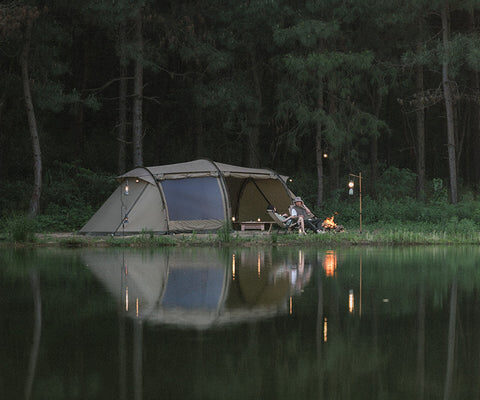
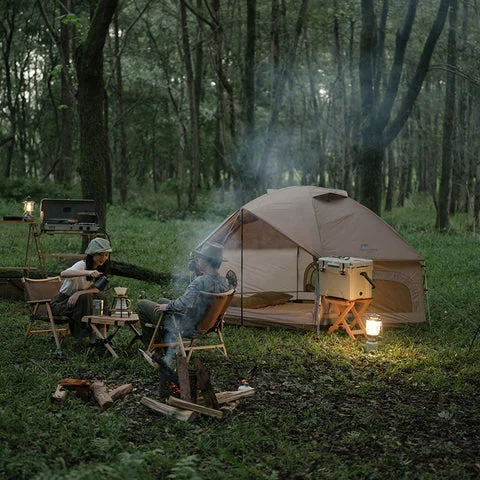
If the majority of your camping trips involve driving directly to a campsite and unloading from your vehicle, then weight is less of a concern. This freedom allows you to opt for a significantly larger tent. Many spacious tents designed for car camping feature multiple ‘rooms’ that can serve as separate sleeping quarters. This provides enhanced privacy and personal space, ideal for families with children or groups of friends sharing a tent.
Selecting Your Tent by Season Rating
1-Season Tents: Summer-Specific Shelters
A 1-season tent is an excellent choice if your camping is exclusively in warm, summer months, thanks to its superior breathability and ventilation. These tents can generally withstand light rain and gentle breezes, but they are not designed for anything more intense. They are best suited for fair-weather camping and offer limited adaptability for other seasons.
3-Season Tents: Versatile for Moderate Climates
Often referred to as ‘3-year’ tents in some contexts, 3-season tents are engineered for the relatively moderate conditions of spring, summer, and autumn. They frequently incorporate large mesh panels to optimize airflow. While robust 3-season tents, when properly pitched and equipped with a substantial rainfly, can endure heavy downpours, they are not the optimal choice for extended exposure to severe storms, high winds, or deep snow.
3-4 Season Tents: Extended Season Performance
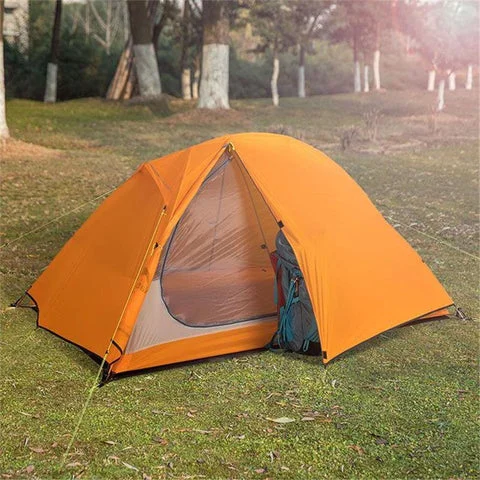
Often labeled as ‘3+ season’ tents, these shelters are designed for extended three-season use and excel in late spring, early autumn, and even light winter conditions where occasional snowfall is possible. Their primary objective is to strike a balance between durability, warmth, and adequate ventilation.
4-Season Tents: Engineered for Winter Extremes
Contrary to their name, 4-season tents are primarily optimized for winter use. These robust shelters are built to withstand cold climates, powerful winds, and significant snowfall, though they can technically be used year-round. Given their enhanced insulation and reduced airflow, they are generally not recommended for hot weather conditions.
Popular Tent Designs and Shapes
Dome Tents: Stable and Simple
Dome tents are renowned for their spacious interiors and straightforward setup. Their stable, freestanding design, characterized by two primary poles crossing at the tent’s apex, makes them an excellent choice for campers desiring a balance of space and ease of use.
Tunnel Tents: Maximizing Interior Space
Featuring a coherent arch-shaped structure, tunnel tents provide consistent headroom and impressive internal volume. While historically less common than dome or cabin tents, their popularity is steadily growing due to their efficient use of space.
Cabin Tents: Roomy and Tall
Cabin tents are larger shelters frequently chosen by families or groups seeking ample headroom. Their more vertical walls result in a greater peak height, allowing occupants to stand upright comfortably inside.
Pop-Up Tents: Instant Setup Convenience
Pop-up tents offer an intriguing level of convenience for quick and easy deployment. Many models are incredibly fast to pitch; simply remove them from their storage bag, and they practically spring into shape, requiring only minimal securing with stakes.
Key Features to Consider When Choosing a Tent
Flysheet (Rainfly): Your Tent’s First Line of Defense
The flysheet, also known as a rainfly, is a standard component of most tents; it’s the external layer that shields the inner tent and its occupants. Typically, a waterproof coating is applied to flysheets. The material choice for this protective outer layer often depends on where and when you’ll be camping. Polyurethane (PU) coated fabrics offer excellent waterproofing, while cotton or polycotton blends are favored for breathability in temperate climates.
Inner Tent: Comfort and Climate Control
The inner tent’s primary purpose is to maximize comfort within your shelter. For optimal ventilation, inner tents often utilize a combination of solid fabric and mesh panels. Models designed for multi-season use may include zippered panels that allow you to cover mesh sections, providing additional warmth on colder nights.
Groundsheet (Tent Floor): Protection from Below
A tent’s groundsheet can be either sewn-in (fully integrated) or attached. A sewn-in floor creates a sealed, autonomous unit, offering superior protection from insects and drafts. An attached floor means the tent body needs to be connected to the base. It’s also wise to consider using an additional footprint or ground protector underneath your tent for an extra layer of defense against abrasion and moisture.
Tent Doors: Accessibility and Convenience
The number of doors on a tent can impact both its weight and practicality. Single-door designs generally reduce overall weight, making them suitable for minimalist setups. However, models with two or more doors are significantly more convenient and comfortable for multiple occupants, allowing easier entry and exit without disturbing others.
Vestibules: Essential Storage and Shelter
Vestibules (or porches) are covered areas within the tent’s footprint, shielded by the flysheet but separate from the main sleeping compartment. These spaces are invaluable for stashing wet or muddy gear, keeping the interior clean and dry. They can also serve as an extended living area, providing extra shelter when you need to escape inclement weather.
Ventilation: Combating Condensation
Effective ventilation is paramount to prevent condensation buildup inside your tent, which can lead to unwelcome puddles! Condensation becomes a particular issue when the external temperature is significantly colder than the air inside the tent. Therefore, ensure your chosen tent offers robust ventilation options, and consider leaving doors or windows slightly ajar, even in cooler weather, to maintain airflow and guarantee a comfortable stay.
Distinguishing Tent Types: Backpacking vs. Car Camping
Backpacking tents are designed for self-sufficient adventurers who venture off the beaten path. Constructed with lightweight fabrics and poles, they come in various configurations, from minimalist setups that keep weight to an absolute minimum to more spacious models with generous vestibules, offering greater usable space while remaining compact enough for comfortable transport. Backpacking tents are considerably smaller and lighter than car camping tents and are built to withstand challenging weather conditions.
Car camping tents, by contrast, are better suited for group or family camping. They feature larger interior living areas, more amenities, and are designed with practical comfort and convenience in mind. Due to their greater dimensions and features, they are heavier and not intended for long-distance carrying. These tents are ideal for use at established campsites where you can park your vehicle close to your pitch. They are typically straightforward to set up and provide dry, spacious, and reliable shelter, especially if the weather takes a turn for the worse.