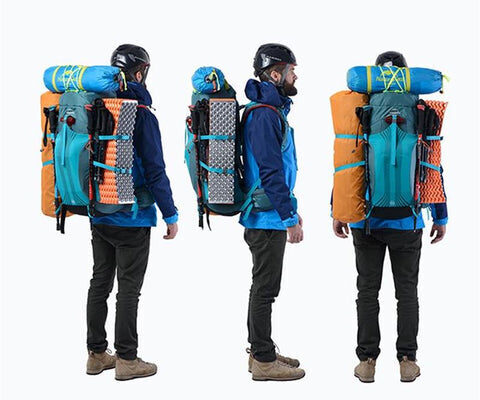
An indispensable companion for any excursion, camping trip, or outdoor activity, a quality camping backpack is more than just a bag; it’s a vital piece of gear. It meticulously organizes and carries your essentials: water, food supplies, shelters, sleeping pads, first-aid kits, and much more. A well-chosen backpack significantly enhances your safety and extends the reach of your outdoor adventures. To help you make an informed decision, we’ve compiled a comprehensive guide to selecting the ideal backpack for your needs.
Categorizing Your Outdoor Packs: Types of Camping Backpacks
1. Trekking Backpacks
Designed for extended hikes and expeditions across diverse terrains, from dense jungles to rugged mountain trails.
Key features of trekking backpacks include robust construction, high resistance to wear and tear, waterproof capabilities, generous carrying capacity, a comprehensive and comfortable suspension system, and numerous external attachment points for extra gear. They are often differentiated into day trekking packs and multi-day expedition packs.
2. Mountaineering Backpacks
Specifically engineered for challenging alpine environments, high-altitude climbs, frozen landscapes, and snowy rock formations.
Mountaineering backpacks boast a highly robust design, exceptional wear resistance, water impermeability, a compact profile, convenient access for retrieving and stowing gear, and specialized attachment systems for ice axes, ropes, and other climbing equipment.
3. Snow Sports Backpacks
Optimized for various ice and snow activities, including skiing, snowboarding, and winter hiking.
These backpacks are characterized by their sturdy build, excellent wear and waterproof properties, compact size, lightweight design, simplified carry structure, and strong external attachment points. They often feature dedicated straps and compartments for securing ski equipment like snowboards or skis.
4. Cycling Backpacks
Ideal for urban commutes, street riding, and village cycling adventures.
Cycling backpacks typically feature a streamlined and compact structure, ensuring easy and comfortable portability. They come with ergonomically designed straps and various external tie-down points for helmets or extra layers.
5. Waterproof Dry Bags
Essential for protecting gear during wet weather, rain, snow, or extended trips where moisture is a concern. These can include TPO, nylon, or PVC waterproof dry bags, designed to keep contents secure and dry in all conditions.
Key Factors in Choosing Your Camping Backpack
1. Determining the Right Backpack Capacity and Size
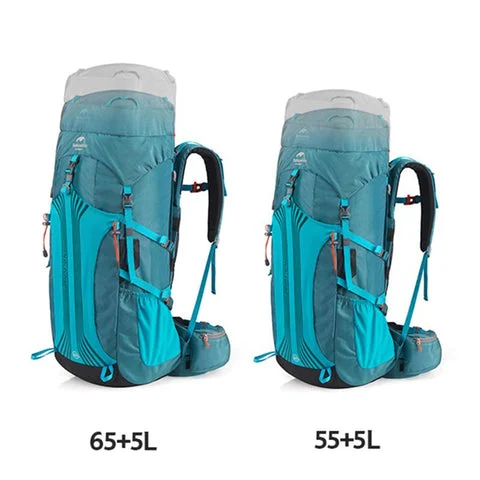
Backpack capacity, or storage volume, is commonly measured in liters (L). Some regions also use cubic inches (cu in) as a unit of measurement (approximately 1000 cubic inches equals 16 liters).
Under 50L:
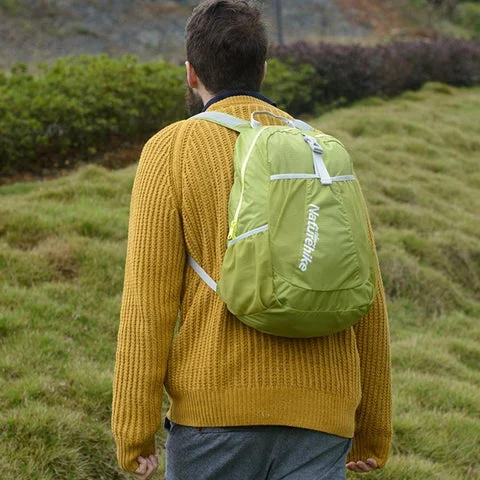
This capacity is perfect for day hikes or short 1-2 day camping trips in mild weather conditions. It’s also suitable as a summit pack for ascents from a base camp.
50L-70L:
These mid-range packs are ideal for multi-day trips and excursions in spring, summer, and autumn. They offer ample space for tents, sleeping systems, clothing, and food provisions, making them a versatile choice for many adventurers.
70L-95L:
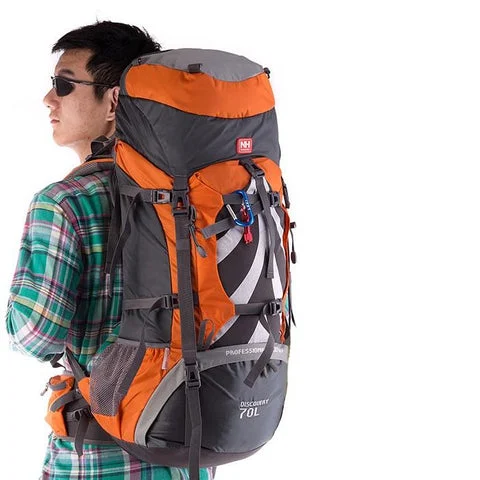
If you’re a male traveler seeking a single, versatile backpack, this capacity range is highly recommended. These packs can accommodate all necessary winter equipment and are also well-suited for extended, long-duration expeditions.
More than 95L:
This high-capacity category of camping backpacks is designed for extreme outdoor activities and prolonged journeys, particularly winter expeditions, snow climbing trips, and transporting substantial supplies to a base camp.
2. Assessing Backpack Quality: What to Look For
Material:
Common materials used in backpack construction include nylon, Oxford canvas, and polyester fabric. The choice of material affects consistency, wear resistance, color retention, and waterproofing. The base or bottom of a high-quality camping backpack is typically reinforced with a stronger material, often 1000D nylon.
Nylon fabrics are prized for their excellent abrasion resistance, with high-density nylon offering superior durability. Nylon is also known for its good water absorption properties among synthetic fibers, contributing to a more comfortable feel against the body. As a lightweight textile, nylon backpacks are easier to carry compared to those made from heavier fabrics. Its inherent softness and flexibility are key advantages, though this means it can be more prone to deformation under extreme external force.
Oxford canvas fabric provides robust durability, is resistant to wrinkles, and often requires no ironing. Its superior abrasion resistance, high hardness, ductility, and resilience make it a reliable choice. Oxford canvas also dries relatively quickly. However, its waterproof capabilities are generally weaker than nylon, and it offers less breathability. Despite this, its inherent stiffness helps protect internal contents from damage, as the fabric maintains its structural integrity.
Design Elements:
A superior camping backpack features thoughtful design in every aspect: its overall shape, the sophistication of its back system, efficient space distribution, configuration of smaller pockets, external attachment points, ventilation for heat dissipation and sweat wicking from the back, and integrated rain cover. Exceptional design is evident in all these areas.
Attention to detail extends to components like zippers, fasteners, drawcords, and nylon webbing, which should all be of high quality. Reputable brands often feature zippers from renowned manufacturers like YKK.
Buckles and other plastic hardware can vary, with some being plastic-steel composite parts that offer a sturdier feel, higher hardness, and a clearer, more powerful snap. Pure nylon components typically provide better flexibility and elasticity. The quality of compression straps can also be quite distinct, with good ones being visibly more substantial and effective.
The Carry System:
Every camping backpack’s carry system is designed for a specific application. While adjustable carry systems offer greater versatility, their range is not limitless. Therefore, accurately selecting a backpack with a carry system that matches your torso length and body type is paramount for comfort and load bearing.
Brand Reputation:
The brand of your camping backpack also plays a significant role. Esteemed camping backpack brands not only command a higher price but also consistently deliver superior quality assurance and reliable after-sales services, offering peace of mind for your investment.
Final Considerations:
When purchasing a camping backpack, it is highly recommended to try it on, preferably with some weight inside, and meticulously adjust all points of articulation to conform to your body’s shape. Typically, larger backpacks feature multiple adjustment points: shoulder straps, load lifters (behind the shoulders), a hip belt, a sternum strap, and the overall back panel system. If, after adjusting these various elements, you still experience discomfort in certain areas, it’s a clear indicator that the backpack may not be the right fit for you. In such cases, exploring other styles and models is advisable to ensure maximum comfort on your adventures.