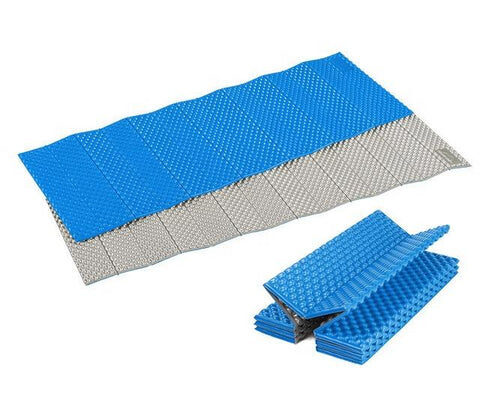
Just as careful thought goes into selecting your tent and sleeping bag, choosing the right sleeping pad or camping mattress is absolutely crucial for a comfortable and restorative night’s sleep outdoors. A well-suited pad can significantly enhance your overall camping experience, transforming a restless night into peaceful slumber.
Especially during cold weather or winter camping, many outdoor enthusiasts find themselves waking up chilled because they’ve underestimated the importance of proper ground insulation. A quality sleeping pad doesn’t just add a layer of cushioning; it acts as a vital barrier against heat loss, helping you retain warmth throughout the night. Therefore, for any overnight winter camping trip, ensuring you have an appropriate sleeping pad is essential.
How to Choose a Sleeping Pad?
Before diving into the specifics of selection, let’s address a fundamental question that often arises for new campers:
Why Can’t You Just Use a Sleeping Bag Directly on the Ground?
Your body loses heat through four primary mechanisms: evaporation, convection, conduction, and radiation. When you lie directly on the ground, conduction is the most significant culprit. The cold earth constantly draws warmth away from your body, acting like a giant heat sink. Even the warmest sleeping bag can’t fully prevent this heat transfer if there’s no insulation beneath you.
Sleeping directly on the cold ground, regardless of your sleeping bag’s temperature rating, leads to rapid heat loss. This can result in a miserable, cold night, leaving you feeling weak and drained the following day, and in extreme cases, posing a risk of hypothermia.
1. Types of Camping Sleeping Pads
Camping sleeping pads generally fall into three main categories:
- Foam Sleeping Pads
- Inflatable Sleeping Pads
- Self-Inflating Sleeping Pads
Foam Sleeping Pads
→ Naturehike Drink Foma Camping Sleep Pad
→ natural foam camping mattress
Foam sleeping pads are typically constructed from high-density closed-cell foam. They require no inflation; simply unroll or unfold them for immediate use. These pads feature countless small, closed air cells within the foam that trap air, providing insulation. They are often designed to be rolled up or folded in a Z-shape for packing.
Their primary advantage is their durability: they are virtually impervious to punctures, and even if damaged, they still provide a reliable layer of insulation. They are lightweight, relatively compact when folded, and ideal for mountaineering or situations where robust, reliable insulation is paramount.
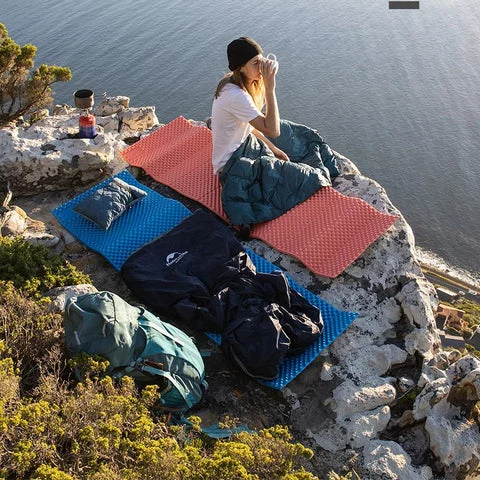
However, due to their relatively thin profile, foam pads offer less comfort and moderate thermal insulation compared to other types, making them less suitable as a standalone option for extreme winter conditions or very cold environments. They may not adequately isolate you from cold, damp ground.
For enhanced warmth and comfort, foam pads can be effectively combined with an inflatable or self-inflating mattress, creating a more robust insulation system, particularly in colder climates.
- Advantages: Lightweight, inexpensive, extremely durable, puncture-proof.
- Disadvantages: Can be bulky, less comfortable, and offer moderate insulation.
Inflatable Sleeping Pads
→ Naturehike Ultralight Lightweight Pad Camping Air Matterss
→ 2P Naturehike multifunctional camping bed
Inflatable sleeping pads are designed to be lightweight and packable, making them an excellent choice for backpackers. Many modern inflatable mattresses incorporate advanced insulating materials, such as reflective coatings or synthetic fills, to enhance their warmth and R-value.

These pads require manual inflation, either by blowing into them, using a pump sack, or an electric air pump. For larger inflatable beds, an electric pump can significantly speed up the inflation and deflation process.
Beyond the outer fabric (which may include thermal insulation), it’s primarily the trapped air that provides structure, cushioning, and some insulation. Air acts as a barrier to slow heat transfer by conduction, effectively isolating your body from the cold ground, making these pads suitable for a wider range of temperatures, especially those with internal insulation. However, they can be susceptible to punctures, and internal humidity can sometimes develop, potentially affecting their longevity.
Inflatable pads are highly compressible and pack down to a very small size, making them much more convenient for backpacking compared to foam or self-inflating options. While excellent for weight-conscious hikers, some users might find them less stable or quiet than other types, and they may not provide the firm comfort desired by some sleepers.
- Advantages: Excellent comfort, very lightweight, highly packable, and easy to transport.
- Disadvantages: Standard air pads may lack sufficient insulation in low temperatures; specialized insulated versions are available (check R-value). If using a non-insulated air pad in the cold, placing an additional foam pad underneath can boost insulation. For couples sharing a large inflatable pad, movement by one person can cause significant air displacement, disturbing the other’s sleep. Prone to punctures.
Self-Inflating Sleeping Pads
→ Naturehike single/double camping mattress
The key distinction of a self-inflating sleeping pad is its combination of both air and an open-cell foam interior. This internal foam structure provides both comfort and superior insulation, significantly reducing heat loss to the ground through conduction.
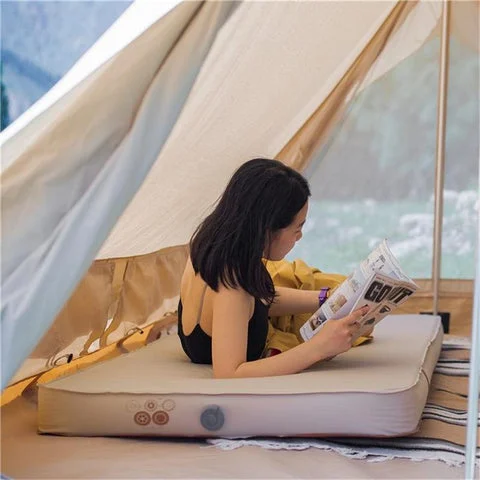
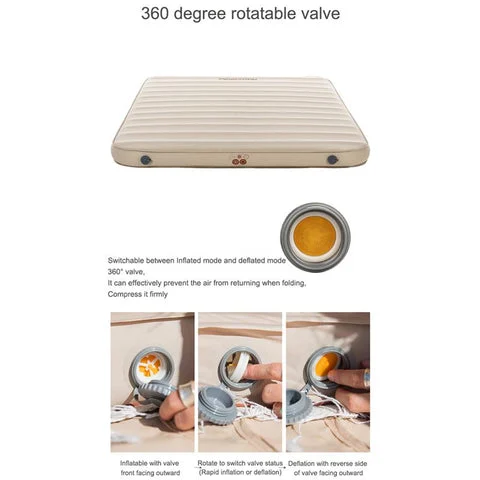
These pads contain an open-cell foam core that expands when the valve is opened, drawing air into the mattress. They typically feature a single valve for both inflation and deflation. To inflate, you simply open the valve, allow the foam to expand and draw in air, then close the valve once it’s mostly inflated (a few breaths can top it off for desired firmness). For storage, open the valve and roll the pad tightly to expel the air, then close the valve to keep it compressed.
Self-inflating pads vary in design: some are thinner and lighter, making them suitable for backpacking where weight is a concern, though their insulation may be less robust. Thicker, heavier models offer enhanced comfort and superior insulation, making them ideal for car camping or family camping where bulk and weight are less of an issue.
Market options range from 3 cm to 15 cm in thickness. For optimal comfort, particularly for side sleepers, a pad with a thickness of 7.5 cm (3 inches) or more is highly recommended.
- Advantages: Excellent balance of insulation and support. Simple inflation—just open the valve and let it do most of the work, then top off. Customizable firmness by adjusting air pressure. Less prone to catastrophic failure from small punctures compared to pure air pads.
- Disadvantages: Generally heavier and bulkier than inflatable pads. Often more expensive than basic foam pads. While less prone to total failure, punctures can still occur and reduce effectiveness.
2. Consider Your Camping Style
The ideal sleeping pad varies significantly depending on the type of camping you plan to do:
For frequent backpacking and thru-hiking, a lightweight foam pad or a thin, packable self-inflating pad is generally preferred due to its minimal weight and bulk.
However, if your adventures lean towards car camping or family camping, where you drive directly to your campsite and weight isn’t a primary concern, prioritize comfort and insulation. In this scenario, thicker inflatable pads or robust self-inflating mattresses are the best choices for a truly comfortable outdoor sleep experience.
3. Sleeping Pad Size and Fit
Select a sleeping pad size that accommodates your body comfortably, considering both your height and sleeping style. Also, factor in the number of people using the pad and the interior dimensions of your tent. The pad’s width should comfortably fit within your tent’s inner dimensions to prevent it from pressing against the tent walls, which can compromise insulation and lead to condensation.
Summary: Key Factors for Choosing Your Sleeping Pad
When selecting your next camping sleeping pad, keep these critical aspects in mind:
- Type of Sleeping Pad: Foam, Inflatable, or Self-Inflating.
- Your Camping Style: Backpacking, car camping, winter camping, etc.
- Sleeping Pad Dimensions: Length, width, and thickness for comfort and tent fit.
Just like choosing a tent or a sleeping bag, if possible, testing out different pads in a store can give you a better feel for their comfort and packed size. We hope this guide empowers you to choose the perfect sleeping pad for your outdoor adventures!