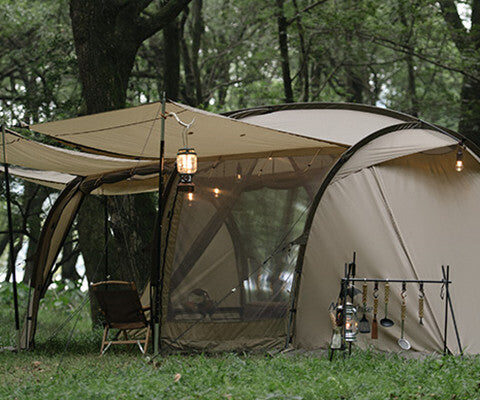
As the allure of the great outdoors continues to grow, activities like camping, hiking, and mountaineering are soaring in popularity. Among the essential gear for any outdoor excursion, a reliable tent stands out as an indispensable piece of equipment.
But with so many options available, how do you select the ideal shelter? Your tent serves as your home away from home, providing crucial protection from wind, rain, snow, and a comfortable space for sleeping and resting. If you’re feeling overwhelmed by the choices, this comprehensive guide is here to help you find the perfect tent for your adventures!
Understanding Tent Size and Capacity
Tents are typically rated by their sleeping capacity. While it might seem intuitive to think bigger is always better, selecting the right size involves a balance. For solo travelers, a 1-2 person tent offers sufficient space without unnecessary bulk. Remember, as tent capacity increases, so does its packed volume, overall weight, and often the complexity of its setup. It’s crucial to choose a tent size that aligns with your specific travel needs.
Consider these examples:
→ Naturehike Cloud up 1-3p camping tent
→ Naturehike Tagar camping tent 1-2p
For backpacking trips, weight is a critical factor. Aim for a tent that averages around 3 pounds per person to avoid an excessive load. In contrast, for car camping adventures, where you have vehicle access, the weight of your tent is far less of a concern, allowing for more spacious and feature-rich options.
→ Naturehike Camping Tent Aries at 3 seasons 4-6p
Choosing Your Tent Based on Seasonality
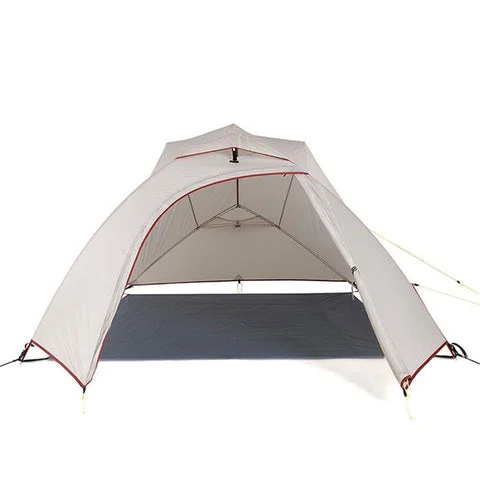
Tents are generally categorized by the seasons they are designed for:
- Three-Season Tents
- Four-Season Tents
- Alpine Tents
Three-Season Tents: These are designed for spring, summer, and autumn use, making them the most popular type for general camping. Three-season tents are typically lightweight, easy to transport, and offer basic wind and waterproofing. They perform well in moderate climates and are ideal for car camping, front-country use, or trips to medium-altitude areas.
→ Naturehike Cloud up 3 seasons camping tent 1p
→ Naturehike Camping tent P-series Nylon 2P at 3 seasons
Four-Season Tents: Engineered to withstand colder temperatures and more challenging alpine conditions, four-season tents offer enhanced durability and protection. However, this increased resilience often comes with greater weight and a more robust, sometimes complex, pole structure, which can make them less convenient for casual transport.
→ Naturehike Cloud up 3P 4 seasons camping tent
Within the four-season category, Alpine Tents represent the pinnacle of extreme weather protection. These specialized shelters are built to endure the harshest climates, including high altitudes, strong winds, and heavy snow. Their robust construction and premium materials make them more expensive and less suitable for ordinary camping conditions. They are specifically designed for mountaineering and expeditions in extreme environments.
→ Naturehike Igloo Alpine Camping tent at 4 seasons (2P)
Exploring Tent Shapes and Designs
Tents come in various shapes, each offering distinct advantages:
- A-Frame (Triangular) Tent
- Dome Tent
- Geodesic/Hexagonal Tent
- Tunnel Tent
A-Frame (Triangular) Tents: Often featuring a double-layer structure, these tents typically use two poles—one at the front and one at the rear—with a central crossbar to support the inner tent and attach the fly. While their setup can be more involved, A-frame tents offer excellent wind resistance and heat retention. They were a common style in earlier days and remain suitable for climbing expeditions.
→ Naturehike Minaret/Spire Ultralight Camping Tent (1p)
Dome Tents: Characterized by a double-crossover pole system, dome tents are renowned for their ease of assembly and disassembly. They are relatively lightweight and highly convenient for transport, making them a popular choice for leisure camping. While their interior space can be somewhat constrained, their stability and simplicity are unmatched.
→ Naturehike Mongar 2P double-layer camping tent
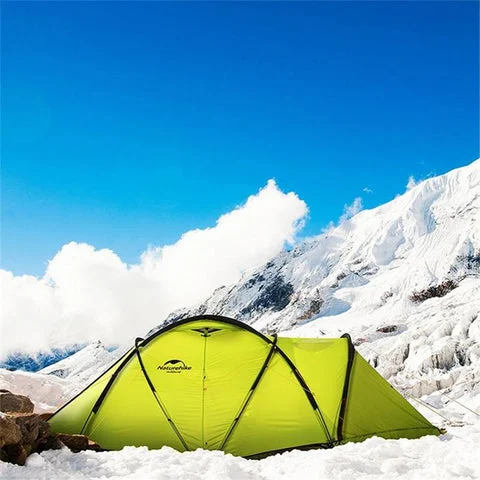
Geodesic/Hexagonal Tents: These tents employ a complex support system with three, four, or even six intersecting poles, prioritizing exceptional stability. Geodesic designs are a common style for “alpine type” tents, offering superior wind resistance and structural integrity, making them ideal for challenging mountain trips.
→ Naturehike Cloud Peak 4-seasons camping tent from 2P
Tunnel Tents: Once pitched, tunnel tents resemble an elongated boat, supported by two or three parallel pole arches. They often feature a dedicated sleeping area (bedroom) and an extended vestibule (room) at one or both ends. Their design focuses on aerodynamic wind shedding, making them a favored style for various camping scenarios.
→ Naturehike Cloud 2P Camping tent Tunnel
Key Considerations When Choosing a Tent
- Comfort
- Durability
- Portability
Comfort Features for an Enjoyable Stay
When it comes to tent comfort, more space isn’t always the sole determinant. Optimal use of the internal volume is key. A tent that feels spacious and well-designed can be more comfortable than a simply larger one.
Ventilation significantly impacts comfort. High-quality tents feature excellent airflow to prevent condensation and humidity buildup, which can make a tent feel damp and uncomfortable. Double-layer tents generally offer superior ventilation, and many models include specific vents for improved airflow.
For groups, tents with multiple doors (on opposing sides or at the front) enhance convenience and privacy, making entry and exit much more comfortable.
Ensuring Your Tent’s Longevity and Durability
With proper care, a well-chosen tent can last for many years. One effective way to protect your tent’s floor is by using a footprint or ground tarp underneath, shielding it from abrasion and punctures.
→ Accessories for Naturehike tents (footprint)
The tent’s materials, fabric thickness (denier), and construction methods profoundly influence its durability.
Common tent fabrics include nylon and Oxford polyester. Nylon is known for its lightweight properties, making it ideal for ultralight backpacking. Oxford fabric, being thicker and heavier, offers greater robustness and is often preferred for car camping or family trips where weight is less of an issue.
The exterior rainfly’s coating also affects durability and waterproofness. Polyurethane (PU) coatings are widely used for their water resistance and flexibility. While some older or cheaper tents might use PVC, it can become rigid and brittle in cold weather, leading to cracking. Modern tents often feature silicone-coated or siliconized fabrics for superior tear strength and water repellency.
Inner tent materials typically consist of breathable nylon or mesh. Mesh provides excellent ventilation and helps prevent condensation, while breathable nylon offers more warmth. The ground sheet material is crucial for waterproofing, moisture resistance, and preventing wear. High-denier nylon or polyester with a robust PU coating or polyethylene (PE) provide the best protection against the ground, with PE often being more durable but heavier than high-denier PU-coated fabrics.
Seam sealing is another vital aspect of durability. Taped seams, where a waterproof tape is applied over the stitching, are common and effective. For maximum durability and waterproofing, some high-end tents feature ‘silicone-taped’ or welded seams. Regular re-sealing may be required over time to maintain waterproof integrity.
Portability: Weight, Pack Size, and Ease of Setup
Modern tent designs prioritize a balance of lightness and durability. Many 4-person tents can now be packed down compactly enough to fit into a backpack. Additionally, advancements in pole systems and design mean that setting up a tent, even larger models, can often be completed in as little as 5 minutes.
For enhanced reliability, safety, and a longer lifespan, investing in a tent from a reputable brand is often a wise choice. Established brands typically offer superior quality materials, rigorous testing, and reliable customer support, ensuring peace of mind on your adventures.
In Summary: Finding Your Perfect Fit
Ultimately, the most important factor when choosing a tent is its suitability for your specific needs. By carefully considering your intended environment, the number of people in your party, and your priorities regarding portability, comfort, and durability, you’ll be well-equipped to select the tent that will best serve your outdoor explorations.