Water is the very essence of life, and survival without it is impossible. For adventurers, hikers, and anyone venturing into the wilderness, securing a reliable water supply is paramount. What happens if your initial water stores run dry, or if no obvious source is available? How do you effectively locate and gather water in the wild? This comprehensive guide offers proven strategies to help you find and purify water in natural environments.
7 Key Strategies for Locating Water in the Wild:
- Engage all five senses
- Assess climate and soil moisture conditions
- Observe plant growth patterns
- Monitor animal and insect activity
- Utilize weather changes to your advantage
- Extract water directly from plants
- Employ other innovative collection methods
1. Harnessing Your Senses
Listen: Pay close attention to your surroundings, particularly in areas like mountain bases, rocky outcrops, valleys, and basins. Listen for the distinct sounds of flowing streams, rushing waterfalls, or the croaking of frogs and chirping of birds. In the early morning or when fog is present, these sounds are often amplified. If such sounds are audible, a water source is likely nearby. However, exercise caution and differentiate between the sound of wind and that of water.
Smell: The scent of damp earth, moist air carried by the wind, or the aroma of fresh water and vegetation can guide you. Follow these natural smells to trace their source. This method often requires some experience to interpret effectively.
Observe: Pay meticulous attention to animal behavior, plant indicators, weather patterns, and the surrounding environment to pinpoint water sources. Topography can also reveal hidden water; for instance, groundwater frequently accumulates at the foot of mountains. Additionally, beneath dried riverbeds or adjacent to active rivers, water can often be found three to four meters below the surface, though it will require purification before consumption.
2. Analyzing Climate and Soil Conditions
During summer, the ground often retains moisture. Areas that remain damp even after prolonged sun exposure typically indicate a high groundwater table. In autumn, as water vapor rises, you’ll often find fog in low-lying areas in the morning and heavier dew in the evening. Dense, wet soil is a strong indicator of abundant groundwater. In the cold winter months, frost visible in soil cracks also suggests a relatively high water table. Come spring, areas where snow melts quickly and vegetation emerges early often possess readily accessible shallow water sources.
3. Identifying Water Through Plant Growth
The presence of plants like Horsetail, Willow, Horse Lotus, Marsh Marigold (also known as yellow flowers), and Forest Mustard generally signifies a high water table and good water quality. Areas where Gray Grass, even Pear, and some types of Share plants grow can also have groundwater, though the water quality might be poorer, often tasting bitter or astringent. In early spring, if a single branch of a tree is already sprouting while others remain dormant, it often points to an underground water source beneath it. Similarly, in autumn, if one specific spot retains green leaves while surrounding vegetation yellows, it suggests the presence of subsurface water. Plants such as triangular-leaved Poplar, Sycamore, Willow, and Tamarisk thrive exclusively in water-rich environments, making them excellent indicators for digging to find groundwater.
4. Tracking Animals and Insects
Wherever mosquitoes gather in summer, or flies swarm in cylindrical patterns, a water source is almost certainly nearby. The presence of crabs, large ants, and live snails also indicates proximity to water. Furthermore, established animal trails, especially those used by deer, and areas where mud wasps build their nests often lead to water sources or indicate a higher groundwater level.
5. Utilizing Weather Patterns
The appearance of a rainbow in the sky is a sure sign of recent or impending rain. The sight of dense, dark thunderclouds and cumulonimbus formations accompanied by lightning signals imminent rain or hail. Valleys shrouded in thick fog frequently conceal water. If direct sources are elusive, collecting dew can serve as a temporary solution for urgent hydration needs.
6. Extracting Water Directly From Plants
In southern regions, Wild Plantain can be an excellent emergency water source. A quick slice into its stem will release a clear liquid that is often safe to drink directly. The inner core of the wild banana is also edible and can help stave off hunger. If you can locate Kudzu Vine, grape vines, Reed Moss, cacti, Kiwi vines, or other similar succulent plants, you can often obtain drinkable water from them. Additionally, in early spring when sap begins to rise, some trees like birch and mountain elm can yield drinking water from their trunks and branches.
Important Warning: Never drink sap or liquid from vines that produce a milky or emulsion-like substance, as these are typically poisonous! Also, any “water” extracted directly from plants is prone to spoilage, so consume it immediately rather than storing it for extended periods.
7. Alternative Water Collection Methods
In nature, it’s generally best to avoid drinking water from stagnant pools or areas choked with weeds. Clear water seeping from rock crevices, however, is often a good wild drinking source. If you need water from a river or lake, dig a small pit about one to two meters away from the shoreline. The water that filters into this pit will be considerably cleaner than water drawn directly from the main body. If you are in a mining area, exercise extreme caution; never drink water that might be contaminated with minerals. If river rocks show unusual breakage or yellow discoloration, avoid drinking water from that spot.
When conventional drinking water sources are unavailable, and you’re battling hunger and thirst, here’s a highly effective and simple method: drape a plastic bag over a leafy branch and secure the opening tightly. The temperature difference will cause the plant to transpire, releasing water vapor that condenses inside the bag. As water accumulates, you can collect and drink it.
Using this solar still method with a plastic bag can yield approximately 15 kilograms of water daily under optimal conditions. You can also use a larger plastic sheet to collect dew. From midnight until dawn, as temperatures drop, dew accumulates and can be collected to alleviate thirst. Observe monkeys and squirrels in dry seasons; they often lick dew from leaves at dawn, a practice you can mimic.
Additional Survival Tips
The water collection methods described above are primarily for temporary, emergency situations and are not sustainable long-term solutions, often being labor-intensive. They are typically suitable for small groups (3-7 people) and short durations (3-5 days), not for large numbers or extended stays. For safety, it is always advisable not to stray far from known water sources for more than a day or two, and never venture into dense wilderness alone.
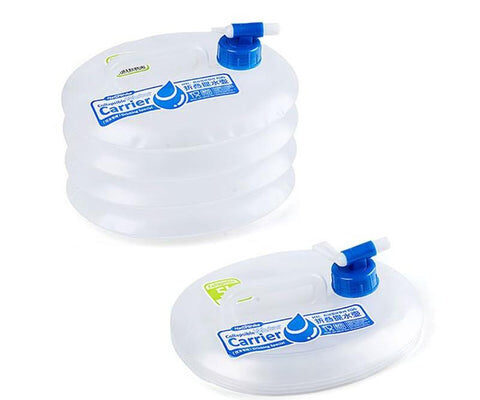
Naturehike offers reliable solutions for your water carrying needs!
→ Naturehike Folding Water Storage Jug
How to Purify and Disinfect Your Water?
4 Essential Water Purification and Disinfection Methods:
- Filtration
- Infiltration (Ground Seepage)
- Sedimentation (Precipitation)
- Seawater Desalination
Impure water frequently harbors disease-causing microorganisms, decaying organic matter, and potentially even heavy metal salts or toxic minerals. Therefore, when you discover a water source, especially when severely thirsty, resist the urge to drink excessively immediately. It is crucial to perform necessary purification and disinfection treatments based on the environmental conditions to prevent poisoning or contracting illnesses.
Failing to purify can lead to debilitating illness, loss of mobility, and in severe cases, be life-threatening. Here are some simple yet effective treatment methods.
1. The Filtration Method
If your discovered water is cloudy, contains floating debris, or has visible microorganisms, worms, or insect larvae, and the surrounding environment isn’t suitable for digging, you can construct a simple filter. Use a plastic bottle (e.g., a soda bottle) by cutting off the bottom and puncturing small holes in the lid. Layer clean materials inside, starting with a base of cotton cloth, a handkerchief, bandana, or even a section of trouser leg. Above this, add 5 to 7 layers of clean, finely screened sand, each approximately 2 to 4 cm thick, pressing them down firmly. Slowly pour the dirty water into this makeshift filter, collecting the much cleaner water in a separate pool or kettle below.
2. The Infiltration Method
When surface water is visibly unclean, dig a pit approximately 50-80 cm deep and about 1 meter in diameter, situated 3 to 5 meters away from the contaminated source. Allow water to naturally seep through the sand and soil into this pit. Carefully scoop out the filtered water and store it in a container.
3. Sedimentation (Precipitation)
After collecting water, you can add a small amount of a coagulant like alum, or crushed natural alternatives such as cotton seed husks, calcium carbonate (cacit), or walnut shells. Mix thoroughly and allow the water to settle for approximately 30 minutes. This process helps suspended particles to sink, yielding clearer water.
4. Seawater Desalination Method
On the coast, in the absence of ion-exchange resin desalting equipment, you can desalinate seawater through distillation. Boil seawater in a pot, placing a clean towel inside the pot, above the water level, to absorb condensed distilled water droplets. You can then wring out this fresh water into a large shell or another container. Repeated distillation can provide the drinking water you need. In winter, freezing seawater in a container can also produce fresh drinking water, as the ice crystals formed will be significantly less salty than the original seawater.
Naturehike’s reliable water bladders enhance your wilderness experience!
→ Naturehike 1.5L/2L/3L Camping Water Bladder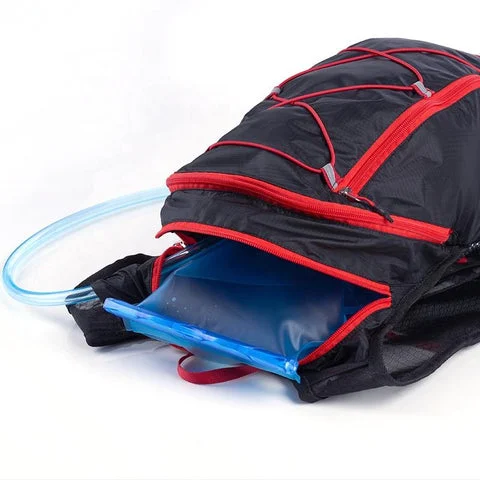
Summary and Disinfection Overview
Generally, only true spring water (from deep underground wells) is safe for direct consumption. Regardless of whether you obtain water from a river, lake, stream, melted snow, rain, dew, or through permeation, filtration, or sedimentation, it is always best to disinfect it before drinking. The simplest method is to add water purification tablets to your container, mix, shake, and wait a few minutes before consuming. Typically, one water purification tablet sterilizes one liter of water.
If purification tablets are unavailable, medical iodine or household bleach can serve as substitutes for disinfection, but allow a longer contact time (20-30 minutes). Should none of these disinfectants be accessible, wilderness explorers sometimes carry vinegar. Pour a small amount of vinegar into the purified water, mix, and let it stand for 30 minutes before drinking. Be aware that the water will have a distinct vinegary taste.
In cases where water is suspected to contain heavy metals or toxic minerals, boiling the water vigorously for several minutes can help, but remember that any sediment formed cannot be safely consumed.