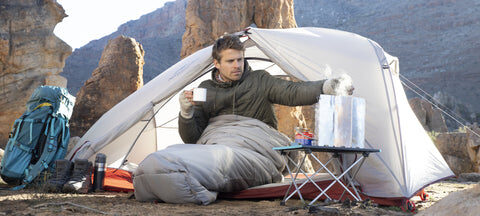
With over a decade of expertise in outdoor adventures, our brand, Naturehike, stands as a renowned name in the global camping community. We’re here to offer unparalleled professional guidance to make your inaugural camping experience truly memorable.
1. Embrace Company: Don’t Camp Solo on Your First Trip.
Even if everyone in your group is a novice, venturing into the wilderness with companions is highly recommended for your initial camping journey. The advantages of shared experiences are numerous, and you’ll quickly discover the immense value and joy of having friends by your side throughout your outdoor adventure.
2. Opt for Accessible Locations: Avoid Remote Wilderness.
For your initial family camping excursion, it’s wise to select a well-established, formal campsite. These locations typically offer robust infrastructure, providing a buffer even if your gear isn’t fully comprehensive, allowing you to manage unexpected situations with ease. If you’re seeking a touch more adventure, consider spots on the city’s outskirts, ideally near a town or village. This proximity ensures rapid access to assistance should unforeseen issues arise or if you encounter challenging weather conditions.
3. Stay Connected: Ensure Mobile Phone Signal.
Remember, camping is about immersing yourself in an interesting lifestyle and exploring nature, not necessarily about raw survival in the wilderness. For your first trip, it’s crucial to maintain a reliable connection to the outside world. Without adequate mobile phone signal, encountering an emergency could lead to severe consequences, making communication a non-negotiable safety aspect.
4. Pick Your Season Wisely: Avoid Extreme Weather.
Foremost, steer clear of winter camping for your initial venture. While seasoned enthusiasts might enjoy “hot tenting” or extreme cold, such conditions are entirely unsuitable for beginners. An agreeable outdoor temperature will profoundly enhance your enjoyment and overall positive perception of camping. Always avoid adverse conditions such as heavy storms, strong winds, or sandstorms.
5. Prioritize Hydration: Carry Ample Drinking Water.
Outdoor camping can be surprisingly physically demanding. Even without strenuous activity, you can lose significant body fluids through respiration and perspiration, often without noticing, leading to dehydration. In severe instances, this can become a life-threatening situation. Therefore, always ensure you bring a generous supply of potable water.
6. Exercise Caution with Campfires: Consider Alternatives.
While a crackling campfire can undoubtedly enhance the ambiance of a camping trip, the risk of causing a wildfire due to inexperience is simply not worth it. For your first outing, it’s often safer to forgo a large bonfire. If you absolutely wish to have one, only do so in designated fire pits within a wide, clear area free of dry vegetation, and ensure you understand and follow all local fire regulations and safety protocols.
7. Craft a Comprehensive Camping Plan.
While spontaneous adventures have their charm for some types of travel, camping demands meticulous preparation. A well-thought-out itinerary, organized meal plans, and pre-arranged entertainment will bring structure and enjoyment to your entire trip. Without such planning, you risk feeling overwhelmed, exhausted, and potentially frustrated by unforeseen challenges.
8. Plan Your Provisions Strategically.
A common concern among campers is either running out of food or not having enjoyable meals. This often leads to overpacking ingredients and snacks. When dealing with fresh produce or perishables, precise meal planning for each day is crucial to prevent excessive waste. Thoughtful provisioning ensures you have just enough delicious food without unnecessary bulk or spoilage.
9. Acquire Gear Gradually: Don’t Buy Everything at Once.
For first-time campers, my strong recommendation is to either rent essential items like tents and sleeping mats or invest in affordable, user-friendly tents that are simple to pitch. Many basic kitchenware, dinnerware, and folding chairs can often be sourced from home. Why this approach? Simply put, your ideal outdoor gear should align with your personal aesthetics and budget, not just popular opinion. Even a veteran’s recommendation is colored by their unique experience and preferences. Camping should be an expression of your individual style, from your equipment to your outdoor setup, reflecting your distinct personality. Much like decorating a home, cultivating a diverse and evolving style sparks engaging conversations among friends. Each camping trip becomes a discovery process, allowing you to refine your outdoor persona. Upgrading and replacing equipment is a natural progression, not a one-time purchase, ensuring your setup always adapts to your evolving tastes and needs.