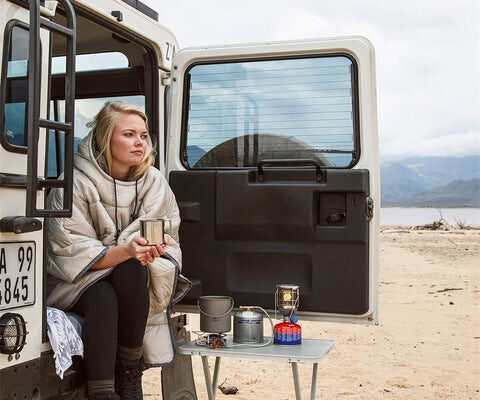
Achieving restful sleep in the great outdoors can be challenging, as various environmental factors directly impact your comfort. To help you enjoy a truly comfortable night’s rest while camping, consider these crucial strategies:
- Strategic Campsite Selection
- Appropriate Layering
- Fueling Your Body Effectively
- Optimizing Warmth
- Ensuring Complete Dryness
Strategic Campsite Selection
The location of your tent significantly impacts your comfort and warmth. A well-chosen, sheltered spot can elevate the internal temperature by up to 30 degrees compared to an exposed area.
Avoid pitching your tent at the bottom of a streambed or valley, as these low-lying areas naturally collect cold air and moisture. Similarly, avoid exposed ridge lines where you’ll face strong winds and extreme temperatures. Instead, opt for a location on the leeward side of a hill (away from the wind) or within a forested area, which provides natural insulation. Complement your choice with a suitable sleeping bag, or if conditions demand, consider constructing a snow shelter for maximum warmth.
Appropriate Layering for Sleep
Wearing appropriate clothing is crucial for retaining body heat. Always include a warm hat, as a significant portion of your body’s thermal energy can escape through your head.
A common piece of wisdom among experienced mountain guides states: “If you’re not sleeping with all your clothes on (that you brought), you’re wearing too many.” This emphasizes the importance of utilizing all available layers to stay warm in cold conditions.
Fueling Your Body Effectively
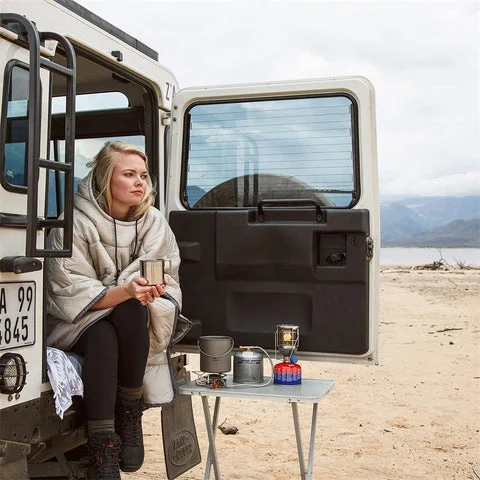
Think of food as your internal furnace; it’s essential for generating body heat. Avoid going to bed on an empty stomach; instead, consume calorie-dense foods before settling down for the night. Alongside proper nutrition, adequate hydration is vital for maintaining optimal metabolic function.
If you find yourself feeling fatigued, waking up thirsty, or frequently desiring water, it’s a clear sign you need to increase your fluid intake. A good indicator of proper hydration is clear urine, with a recommended urination frequency of 4-5 times daily. If your urine appears yellow, it suggests your body is already dehydrated and requires more fluids.
Optimizing Your Warmth
Before settling into your sleeping bag, engage in activities that gently warm your body. Enjoy a hearty, warm dinner and hot beverages. A short walk before bed is also beneficial – just enough to feel warm without sweating. The goal is to elevate your core temperature slightly before sleep.
Understanding your sleeping bag is key: it doesn’t generate heat itself but rather insulates, trapping the heat your body produces. Therefore, the warmer you are when you enter it, the more effective it will be.
Upon setting up your tent, immediately unroll and “fluff” your sleeping bag. New sleeping bags, especially those stored compressed for extended periods, need time to loft up to their full insulating potential. Giving it ample time to expand ensures maximum warmth and comfort for a better night’s sleep.
Ensuring Complete Dryness
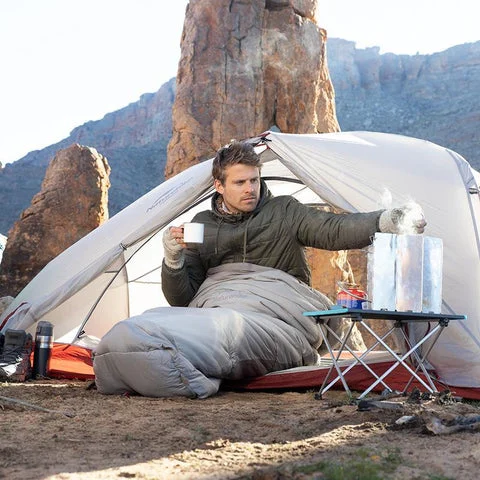
Nothing saps comfort faster than a damp sleeping area. Prevent moisture from reaching your sleeping bag and gear. If a dedicated dry bag isn’t available, a heavy-duty trash bag can serve as a temporary waterproof barrier for your sleeping bag. Crucially, ensure that your sleeping bag and inner tent walls do not touch the outer rainfly, as condensation can transfer moisture.
During inclement weather, condensation can form on the inside of your tent’s rainfly. To minimize this, keep tent vents or windows slightly open to allow for proper airflow. Once the rain stops, take the opportunity to air out your sleeping bag to dry it thoroughly. In snowy conditions, it can often be “dried” by shaking off snow inside the tent, as long as the snow is dry and powdery.
Conclusion
Achieving a truly restorative night’s sleep while camping hinges on a combination of smart planning and mindful execution. As we’ve explored, the impact of campsite selection alone is profound; positioning your tent in a sheltered, well-chosen location can elevate the internal temperature by a significant 30 degrees. Grasping these foundational principles empowers every camper to convert potentially daunting outdoor scenarios into comfortable and memorable experiences.
Crucially, understanding where not to camp is just as vital. Locations such as streambeds or valley bottoms are natural cold traps, accumulating frigid air and moisture, which quickly leads to discomfort and potential hazards. Similarly, exposed ridge lines leave you vulnerable to relentless winds and harsh temperature fluctuations. Prioritizing sheltered spots, like the leeward side of a hill or within dense woodland, provides natural protection and significantly reduces exposure to the elements.
Beyond location, integrating essential techniques such as selecting a sleeping bag optimized for prevailing weather conditions, or even constructing a snow shelter in extreme cold, amplifies both safety and warmth. These practices underscore the invaluable role of preparedness and adaptability—qualities indispensable for anyone venturing into the wilderness. With diligent planning, even formidable environmental challenges can be adeptly managed, ensuring campers remain comfortable and well-rested.
Ultimately, a successful camping trip is not merely about the gear you possess but critically about the expertise and decisions you make. The capacity to assess terrain, foresee meteorological shifts, and implement effective wilderness strategies guarantees a journey that is both secure and fulfilling. By marrying intelligent campsite selection with appropriate equipment and defensive measures, campers can confidently immerse themselves in nature’s singular beauty and navigate its inherent trials.