As the crisp air of autumn gives way to the serene beauty of winter, the call of the wild becomes even more inviting for seasoned outdoor enthusiasts. Winter camping offers a unique blend of challenge and tranquility, but successfully navigating the colder months requires meticulous preparation, especially when it comes to staying warm in your tent.
Fear not the frosty nights! This comprehensive guide will equip you with essential strategies and expert tips to ensure your tent remains a cozy sanctuary, allowing you to fully embrace the magic of a winter campsite.
1. Selecting the Right Tent for Cold Weather
Your tent is your primary shelter against the elements, so choosing the appropriate model for chilly conditions is paramount. While many tents are designed for three-season use, true winter camping demands a robust four-season tent.
Double-Wall Design for Optimal Insulation
Opt for a double-wall tent, which features an inner mesh tent and a separate waterproof outer fly. The air gap created between these two layers acts as an insulating barrier, significantly enhancing thermal retention compared to single-wall tents. This design also effectively manages condensation, a common issue in colder temperatures. When setting up, ensure there’s ample space between the inner tent and outer fly to prevent them from touching. This allows for proper airflow and prevents frost buildup from compromising the insulation and potentially wetting your gear.
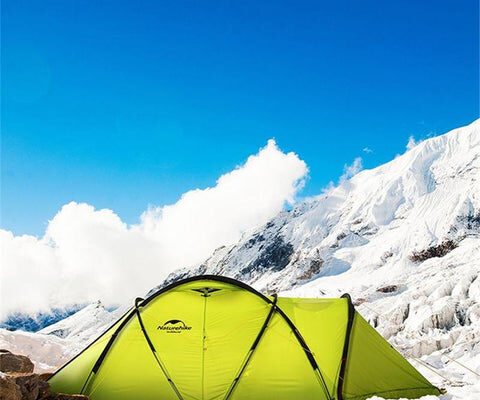
An example of a suitable tent for alpine winter conditions is the Naturehike Lgloo Alpine Winter Camping Tent (2P), designed to withstand harsher environments.
Size Matters for Heat Retention
A smaller tent is generally warmer. Less interior volume means less air to heat and maintain temperature. Choose a tent that comfortably accommodates you and your gear without excessive extra space. Strategic placement of equipment like backpacks around the tent’s perimeter can further reduce air circulation and help insulate against external cold.
Optimal Tent Placement
Pitch your tent on dry, level ground, ideally sheltered from prevailing winds. Clear away any snow, twigs, or sharp stones that could compromise your tent floor or affect insulation. While a snowy base can offer some insulation, ensure it’s compacted and not melting underneath.
Managing Condensation
Even with a double-wall tent, condensation is inevitable. In the morning, ventilate your tent briefly if conditions allow, and be sure to wipe down any visible condensation from the inner fly before packing up. This prevents moisture from seeping into your gear as temperatures rise.
2. Building Your Essential Winter Sleep System
Once your tent is set, your next line of defense against the cold is your sleep system. This isn’t just a sleeping bag; it’s a combination of crucial items designed to insulate you from the ground up.
Ground Insulation: Sleeping Pads and Mats
The ground is a notorious heat thief. A high-quality sleeping pad is arguably more important than your sleeping bag for preventing heat loss. Look for pads with a high R-value (a measure of thermal resistance), ideally 5 or higher for deep winter camping. Layering pads can further boost your insulation: start with a closed-cell foam pad directly on the ground, followed by an inflatable insulated pad on top. This combination provides excellent thermal protection and peace of mind.
Choosing the Right Sleeping Bag
Your sleeping bag is the heart of your warm sleep system. Select one with a temperature rating appropriate for the lowest expected overnight temperatures, erring on the side of caution. Pay attention to the fill material:
- Down: Offers superior warmth-to-weight ratio and compressibility. Goose down typically provides better insulation than duck down due to larger, more resilient clusters. However, down loses its insulating properties when wet.
- Synthetic: Performs better when damp and is often more budget-friendly, though it’s heavier and bulkier than down for comparable warmth.
Always keep your sleeping bag dry. A wet sleeping bag is a cold sleeping bag. Before crawling in, gently fluff your sleeping bag to maximize its loft – the trapped air is what provides insulation. When you sleep, avoid burying your head inside the bag, as the moisture from your breath can accumulate and dampen the insulation over time.
3. Layer Up: Your Winter Camping Wardrobe
Effective layering is the cornerstone of staying warm in cold environments. The “three-layer system” is a proven strategy for regulating body temperature, allowing you to add or remove layers as conditions change and activity levels fluctuate.
The Three-Layer System:
- Base Layer (Wicking): This layer sits directly against your skin. Its primary function is to wick moisture (sweat) away from your body, keeping you dry. Avoid cotton, as it absorbs moisture and loses its insulating properties when wet, leading to rapid heat loss. Opt for synthetic materials (polyester, polypropylene) or merino wool, which retain warmth even when damp.
- Mid-Layer (Insulation): The mid-layer is designed to trap warm air close to your body, providing insulation. Materials like fleece, down, or synthetic puffies are ideal. You might wear one thick mid-layer or multiple thinner ones depending on the temperature.
- Outer Layer (Protection): This is your shell layer, offering protection from wind, rain, and snow. It should be waterproof and windproof, yet breathable enough to prevent moisture buildup from within. Look for jackets and trousers made with materials like Gore-Tex or similar technical fabrics.
Remember that dry clothing is warm clothing. Always carry extra dry socks and gloves, as cold extremities are a common source of discomfort. You can even place your socks and gloves inside your sleeping bag at night to warm them up for the morning.
Additional Warmth Boosters:
- Hot Water Bottle: Fill a durable water bottle with hot (not boiling) water and place it inside your sleeping bag, near your core or between your thighs, for an instant, long-lasting heat source.
- Calorie-Rich Snacks: Your body generates heat by metabolizing food. Keep high-calorie snacks like chocolate, nuts, and energy bars readily accessible, especially before bed, to fuel your internal furnace.
- Winter Camping Trousers: Don’t forget insulated and waterproof trousers for your lower body protection.
Summary: Embrace the Winter Wonderland
Winter camping, while presenting its unique challenges, offers unparalleled beauty and a profound connection with nature. By implementing these practical tips – from selecting the right four-season tent and optimizing your sleep system to mastering the art of layering – you can transform a potentially chilly night into a comfortably warm and memorable experience.
With advancements in outdoor gear, staying warm and safe is more accessible than ever. Proper preparation and the right equipment are your keys to unlocking the magic of a snowy campsite. So, gear up, plan meticulously, and step out to create unforgettable winter memories!