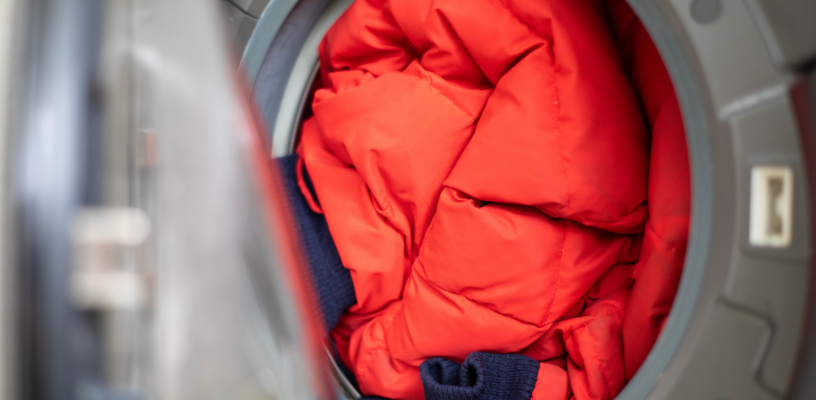
Considering a refresh for your winter wardrobe, including that beloved down jacket? While the thought of tossing it into the washing machine might be tempting, the fear of damaging its delicate down filling and compromising its thermal insulation properties is often a deterrent. In this comprehensive guide, you’ll learn the essential steps to properly wash and dry your down-filled jacket, ensuring it continues to protect you from the cold for many seasons to come.
Regular cleaning of dust and grime is crucial for maintaining the longevity, resilience, and cold-weather performance of your down-filled jacket. However, this process demands adherence to specific key rules to prevent damage to this essential piece of outerwear.
First and foremost, always consult and follow the manufacturer’s recommendations found on the care label. These instructions will specify the appropriate washing method (hand wash or machine wash), the maximum water temperature, and the recommended wash program. Avoid over-washing your outerwear; don’t wash it after every single use if it’s not heavily soiled. Optimal cleaning typically occurs before and after the winter season. Sometimes, simply fluffing the down in a dryer with appropriate balls or hanging it in an airy spot for a day or two is sufficient.
Never wash your down jacket with other items. Before placing it in the drum, ensure nothing is left inside the washing machine or in the detergent dispenser. Residual powder detergents or fabric softeners can potentially damage the fabric and the down insulation. Double-check that all pockets are empty to prevent any accidental objects from damaging the fabric during the wash cycle. Turn the outerwear inside out and close all zippers, Velcro straps, and buttons to protect the jacket from deforming. If your jacket has a fur trim, detach it. It’s also a good practice to pre-soak your down jacket in lukewarm water before washing – this helps to reduce the amount of trapped air and minimize down compression during the wash.
When you decide to wash your down jacket in a washing machine, select a delicate or wool wash program, typically at 30-40 degrees Celsius. The spin cycle should be set to a low speed, between 400-600 rpm.
To hand wash a jacket with natural down filling, begin by softening it in lukewarm water with a small amount of specialized down detergent or a liquid designed for delicate fabrics. Leave the coat submerged for several minutes (no more than an hour), spreading it horizontally in a basin or bathtub, then gently begin to knead the fabric. Carefully remove the jacket from the water and gently squeeze out excess liquid, avoiding any twisting or wringing that could damage the down. If the water remains visibly dirty, rinse it again. For minor surface dirt, you can spot clean by dipping the outerwear, applying a dedicated liquid, and gently scrubbing the soiled area with a sponge or soft-bristled brush (do not rub harshly).
Steer clear of conventional laundry detergents and fabric softeners, as they can strip the natural oils from down and cause it to clump. Instead, opt for a special detergent formulated specifically for down products (for example, brands like Nikwax or Grangers) with gentle cleaning properties and no harsh perfumes. This not only prevents down clumping but also avoids water stains or damage caused by strong chemical formulas.
After being removed from the washing machine or following a hand wash, a wet down jacket will appear to have less volume – this is perfectly normal. The process of fluffing the down will help it regain its natural loft, which we will detail further in this guide. Ensure the jacket dries completely; otherwise, the down can start to develop mildew, which is the first step towards losing its thermal insulation properties. Do not rush the drying process in any way: using a hairdryer is not recommended, as the jacket could lose its shape or damage the fabric.
Traditional Drying Methods
Immediately place the washed jacket flat on a drying rack (either directly or on a clean towel) in a warm, well-ventilated room. Open up any Velcro closures and zippers. Avoid hanging the jacket on a hook (this can cause the down to settle unevenly and clump) or placing it directly on a radiator. Furthermore, a damp environment or direct sun exposure is unsuitable. Traditional air drying for a down jacket may take anywhere from one to several days and requires frequent turning and manual fluffing.
Machine Drying with Care
If you have a tumble dryer, you can safely dry your natural down-filled jacket, provided the care label features the appropriate tumble dry icon. Set the dryer to the lowest possible temperature (maximum 60 degrees Celsius) and the lowest possible spin speed (no more than 600 rotations per minute) to avoid deforming the jacket’s structure.
Down naturally reduces its volume when wet and compressed, but this is a temporary condition that can be easily remedied. If you are drying the jacket traditionally, periodically (every few hours), gently beat the compacted down with your fingers, turning, rotating, and lightly shaking the jacket. For machine drying, add a few clean tennis balls (4-6 pieces) or special dryer balls. These items will bounce around and help break up down clumps, restoring the natural insulation’s loft and fluffiness.
A well-maintained down jacket is an indispensable companion for mountaineering, extreme climbing, parachuting, or other outdoor activities undertaken in colder months. To ensure it remains lightweight, soft, warm, and highly breathable, it must be cleaned, washed, and stored correctly.
Store your down-filled outerwear in a dry, airy place. Avoid tightly compressing the jacket or stuffing it into a small compression bag for long periods. It should ideally be loosely rolled on a shelf or hung on a wide hanger.
Also, ensure you wear appropriate layers underneath your down jacket, such as thermoactive base layers. Avoid wearing too many layers, especially when you anticipate high activity levels. This strategy helps prevent overheating and excessive sweating, which can negatively impact the performance properties of a down jacket over time.