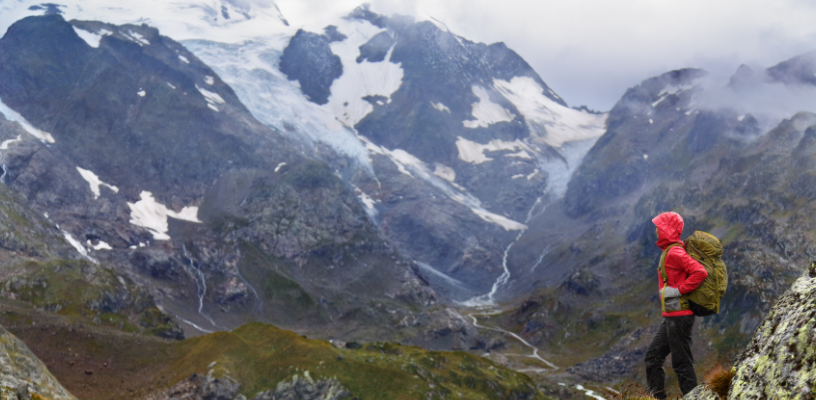
A jacket membrane is an ingenious, ultra-thin layer engineered to shield you from the elements – rain, biting cold, and harsh winds – all while ensuring your comfort through superior breathability. This comprehensive guide will delve deep into the world of membranes: what they are, their ingenious functionality, crucial performance metrics, and the diverse range of options available beyond the iconic Gore-Tex®.
At its core, a jacket membrane is an exceptionally fine barrier that masterfully prevents external moisture from penetrating the fabric structure. Simultaneously, it actively facilitates the expulsion of excess moisture (perspiration) from your body’s surface. This dual action is vital for maintaining optimal thermal comfort, effectively preventing both chilling and uncomfortable overheating, even during strenuous activities in challenging weather conditions.
Advanced Membranes in Outdoor Apparel
Modern membranes primarily utilize either polyurethane or polyethylene. Polyurethane-based membranes function by absorbing moisture at a molecular level and then drawing it outwards. In contrast, polyethylene membranes are characterized by microscopic pores. These pores are meticulously engineered to be significantly smaller than a single water droplet, yet substantially larger than individual water vapor molecules. This precise sizing allows them to block external liquid water from entering the jacket, while simultaneously permitting internal water vapor to escape from the skin, ensuring you stay dry from both inside and out.
The overall performance of a membrane is profoundly influenced by the outer fabric it’s bonded to, as well as the specific lamination technique employed. This bonding process results in various laminate constructions:
- Three-layer (3L) laminates represent a robust combination where the outer material, membrane, and an inner protective lining are fused into a single unit. This construction is often referred to as a Hardshell. Hardshell jackets are renowned for their exceptional resistance to mechanical wear and tear, their lightweight nature, and impressive balance of breathability and waterproofing. They are the preferred choice for extreme weather and demanding outdoor pursuits.
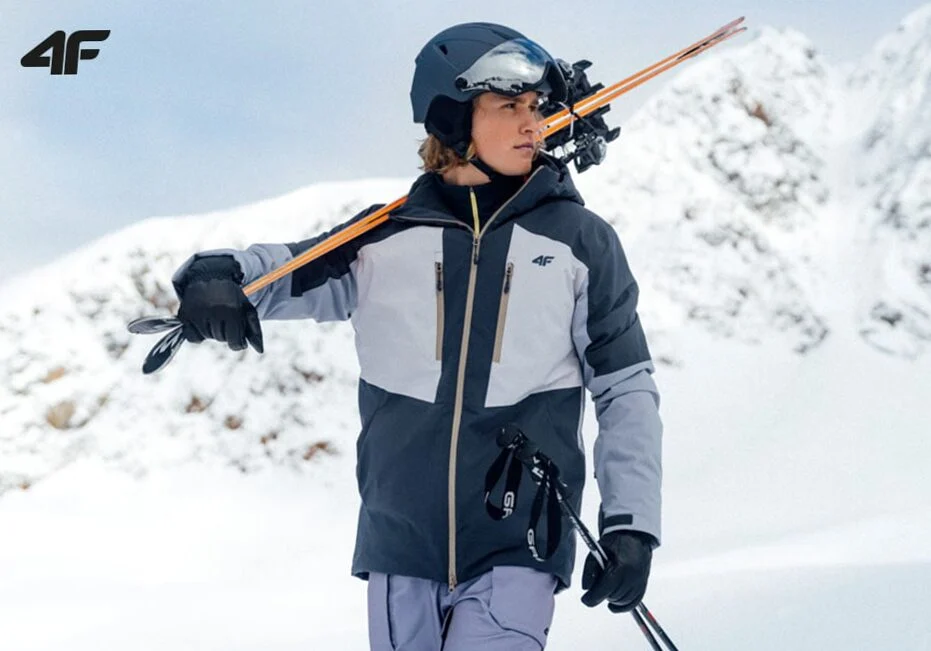
- Two-and-a-half-layer (2.5L) laminates bond the external fabric and membrane together, with the inner protective layer replaced by a printed pattern or coating. This minimalist design reduces weight and bulk while still offering excellent wind resistance and breathability. Jackets featuring 2.5L laminates are ideal for dynamic activities like trekking, trail running, or cycling where lightness and packability are key.
- Two-layer (2L) laminates combine the outer material with the membrane, but feature a separate, often mesh, lining for protection on the inside. This lining can also incorporate insulation. 2L jackets are known for their durability and versatility, making them suitable for recreational hikes, casual outdoor wear, or daily use in unpredictable weather.
The critical parameters of breathability and waterproofing dictate the level of protection and comfort a membrane jacket offers. However, when selecting your outdoor gear, it’s crucial to align these parameters with the intensity of your planned activity and the expected environmental conditions.
Waterproofing quantifies a fabric’s resistance to water penetration, measured in millimeters of water column (mm H2O) per square meter of fabric. For instance, a jacket with a 5,000 mm H2O rating indicates the material can withstand a 5-meter column of water over a 1 m² area before leakage. In practical terms: 1,000-2,000 mm is adequate for light sprays, 5,000 mm handles moderate rain, while over 10,000 mm excels in challenging wet conditions. For truly extreme environments, advanced membranes offer waterproofing exceeding 20,000 mm.
Moisture Vapor Permeability (Breathability) is the second vital characteristic of a membrane jacket, expressing the amount of water vapor (in grams) that can pass through one square meter of fabric within a 24-hour period, typically measured in g/m²/24h. For general outdoor recreation, a rating above 5,000 g/m² is recommended. Breathability is also often represented by the RET (Resistance to Evaporative Heat Transfer) coefficient. This value indicates the fabric’s resistance to moisture vapor passage; lower RET values signify higher breathability and greater comfort. For high-intensity physical exertion, opt for a jacket with an RET index between 0 and 6, whereas moderate activity will be well-served by an RET index around 13.
Gore-Tex® remains a benchmark for waterproofing, wind protection, and superior breathability, widely adopted in tourism, trekking, and athletic apparel. Yet, it’s not the sole player. Leading outdoor brands have pioneered their own innovative solutions, ensuring that whether you’re running, hiking, cycling, or engaging in any strenuous activity, you can remain comfortable and dry across a spectrum of conditions.
As one of the most recognized and enduring membranes, Gore-Tex® initially found its use in pioneering applications like NASA astronaut suits. Crafted from expanded polytetrafluoroethylene (ePTFE), its microporous structure boasts pores 700 times larger than water vapor molecules but 20,000 times smaller than water droplets. This unique architecture provides exceptional durability and complete waterproofing (exceeding 28,000 mm H2O). Discover more about this legendary membrane in specialized outdoor clothing in our dedicated guides.
The North Face’s most cutting-edge membrane, Futurelight™, employs an advanced nanospinning technique to create a network of nano-fibers. This innovation allows for 100% impermeability while simultaneously achieving an unprecedented level of air permeability. Furthermore, Futurelight™ technology offers customizable weight, elasticity, breathability, and fabric strength to precisely match the demands of specific physical activities and environments.
Jack Wolfskin has developed various iterations of its Texapore membrane to deliver peak protection irrespective of conditions or the intensity of your hiking adventures. Texapore Core serves as the foundational membrane for day trips, light hikes, and intermittent rain. For more demanding and extended expeditions, Texapore Pro offers enhanced performance with a waterproofing rating of 20,000 mm and breathability of 15,000 g/m²/24 hours.
Marmot’s Membrain® membrane is engineered to repel external precipitation and efficiently minimize the buildup of internal moisture, all while ensuring a soft and comfortable feel. When integrated with outer fabrics, its hydrophilic polyurethane lamination actively prevents body chilling in unpredictable weather. Membrain® typically features a water resistance of 10,000 mm, breathability of 10,000 g/m², and an RET value between 6-8.
Mammut’s DRYtechnology™ is a polyurethane-based membrane renowned for its high water resistance and breathability. It is available in 2L, 2.5L, and 3L versions, making it versatile for diverse conditions and activities. An advanced version, reinforced with Gore-Tex Pro®, is specifically utilized in apparel designed for high-altitude mountaineering.
Columbia’s Omni-Tech™ membrane is a two-layer laminate commonly used in their outdoor apparel and footwear. Omni-Tech™ stands out for its superior hydrophobic properties (often enhanced with a DWR finish), excellent wind resistance, high breathability, and efficient moisture wicking.
Salewa’s Powertex® is a waterproof membrane providing ample breathability to ensure comfort during recreational physical activities. Apparel featuring the Powertex® membrane offers robust wind protection, is lightweight, and comfortable to wear. Additionally, Salewa has innovated the durable Powertex Cordura® fabric, a three-layer laminate designed for skiing. Its outer layer comprises 94% abrasion-resistant Cordura® nylon combined with 6% elastane for enhanced freedom of movement, and this exterior layer is treated with a lasting water-repellent finish.
Properly washing a membrane jacket is crucial to preserve its hydrophobic and breathable qualities without damaging the material. Always use specialized detergents for membrane clothing from trusted brands like Nikwax or Holmenkol. Here’s a step-by-step guide on how to wash a membrane jacket:
- Always consult the manufacturer’s care label first for specific instructions regarding washing programs, temperature ranges, and tumble-drying suitability.
- Ensure all pockets are empty. Close all zippers, hook-and-loop fasteners, buttons, and snaps securely.
- Gently spot-clean any stubborn dirt patches with a soft sponge before washing.
- Clean your washing machine dispenser drawer and drum to remove any residue from previous washes.
- Place the jacket in the washing machine. Do not turn the jacket inside out, as the membrane is typically on the interior.
- Add the appropriate amount of dedicated membrane-safe detergent.
- Select the correct washing program and temperature (usually 30-40°C or cold wash on a delicate cycle).
- After washing, either tumble dry on a low heat setting if allowed, line dry, or hang the jacket on a hanger in a well-ventilated area. Avoid direct sunlight, placing it on a radiator, or using excessive heat, which can compromise the membrane and DWR finish.
A membrane in a jacket provides not only effective protection against capricious weather and extreme conditions but also ensures superior comfort during hiking, running, cycling, and other outdoor sports thanks to its breathability. Discover functional and reliable membrane jackets from leading brands such as Jack Wolfskin, Marmot, Columbia, Mammut, Salewa, and The North Face at Sporto.ro.