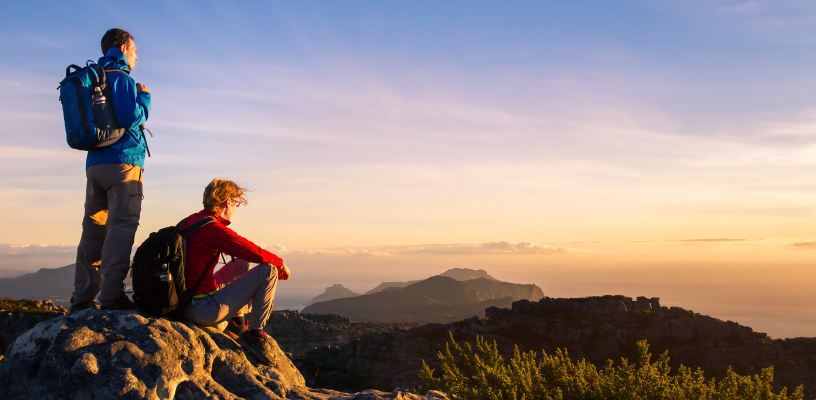
Wondering what to pack in your backpack to maintain peak energy levels for a mountain excursion? Proper nutrition is key to staying motivated through challenging miles, enjoying breathtaking views, and avoiding that stubborn, worn-out feeling. We’ll guide you through the best food choices for your mountain adventures, whether you’re planning a day trip or a multi-day trek.
We’ve all been there: a demanding situation where you’ve neglected to eat, and extreme hunger gnaws at you, worsening with every passing minute. Your willpower and concentration wane, replaced by mounting fatigue and frustration. When traversing mountain trails, your body expends significantly more energy than during daily activities (a single day of hiking can burn between 4,000 to 6,000 kcal). This means it reacts even more acutely to a lack of sustenance. Severe hunger can strip away all the joy from your outing and even jeopardize your ability to reach your destination. Ensuring you have ample provisions will uplift your mood and motivation, protect you from the debilitating effects of energy depletion (such as headaches and dizziness), and prevent unnecessary weight from unused or wasted food.
Ideal mountain food is calorie-dense yet lightweight. This dual principle ensures your body receives the sustained energy and vital nutrients it needs without overloading your stomach. Simultaneously, it minimizes the weight of your pack, a crucial factor, especially on strenuous routes with steep ascents. Another important characteristic for trail food is its robust consistency. Ambient air temperature should also influence your choices. Dry, easy-to-open, and readily consumable options are often the most practical solutions.
Trail Sandwiches
Sandwiches remain a go-to choice for staving off hunger on mountain routes. Opt for whole-grain or graham bread. For fillings, consider hard cheeses, cured meats, and sturdy vegetables like bell peppers or sprouts. Be mindful, however, that soft cheeses or cold cuts might not be as appetizing after several hours in a backpack under the sun. Meat lovers can also pack jerky or dried sausages. For a sweet alternative, spread low-sugar hazelnut cream or honey. Wrap your sandwiches securely in aluminum foil, wax paper, or reusable snack bags and position them in your pack to prevent crushing.
Chocolate
Chocolate’s reputation as a fundamental mountain provision is well-deserved. Dark chocolate is particularly recommended for an energy boost that avoids a sudden spike in insulin levels, which can lead to a quick return of hunger. Small sweets, like peppermint candies or xylitol-sweetened fruit chews, are also excellent pocket-sized options for a rapid energy surge. However, remember that while useful, these should not form the backbone of your mountain diet.
Energy Bars & Gels
Energy bars and gels provide a convenient source of sustained power, helping to combat fatigue, improve concentration, and are generally easy on the stomach. Unlike many candy bars, these products often feature complex carbohydrates as their primary ingredient, which release energy gradually and help you feel fuller for longer, preventing sharp insulin spikes.
Fresh and Dried Fruit
Fresh fruits like bananas, apples, mandarins, pears, grapes, or peaches are more than just delicious snacks; they supply essential vitamins, minerals, and help replenish hydration. Pack softer fruits in a sturdy container to prevent them from bruising or dirtying your backpack’s contents. For dried fruit, consider figs, dates, apricots, banana chips, or pumpkin seeds for concentrated energy.
Nuts & Seeds
With their high caloric content (100g of nuts can range from 550 to 750 kcal, depending on the type like macadamia), significant protein (15-20%), fiber, healthy unsaturated fatty acids, magnesium, potassium, calcium, and vitamins, nuts and seeds are an ideal healthy snack for intense excursions. Avoid salted varieties, as they will only increase your thirst.
The extensive range of freeze-dried meals (often referred to as MREs for military rations, though freeze-dried is distinct) offers a varied, nutritious, and, crucially, hot meal option. Preparation is simple: just add the specified amount of hot water, stir, and wait a few minutes. Some products even come with a chemical heater for flameless cooking. For breakfast, you might enjoy oatmeal with fruit and chia seeds or scrambled eggs; for lunch, consider hearty options like chili, risotto, spaghetti, or a vegetable stew.
The quantity of food you pack for a hike hinges on the route’s length and expected duration. A short, easy path in the Beskydy mountains will demand different provisions than a multi-day trek through the Tatras. Equally important is the availability of mountain shelters along your route, where you might purchase food, enjoy a hot meal, or obtain hot water for preparing freeze-dried dishes, as opposed to relying entirely on your packed supplies.
Mountain Food for a Day Trip
Before embarking on your mountain adventure, enjoy a healthy and satisfying breakfast, such as a vegetable omelet, fruit, or oatmeal, to kickstart your energy reserves for the day’s challenge. For a day hike exceeding two hours, pack dry provisions including sandwiches (2-3 pieces), a small bag of trail mix, a high-cocoa chocolate bar or energy bar, and a fruit stick. During autumn and winter, a thermos filled with homemade soup or a rice/pasta-based dish is an excellent idea for a warm, comforting meal on the trail.
Mountain Food for a Multi-Day Excursion
For multi-day mountain treks, your food supply will vary based on whether you plan to utilize mountain huts or prepare all your own meals. If you’re self-sufficient, you’ll need to bring a hiking stove, fuel canister or burner, and cooking pots/utensils (at least a travel cup, spork, and maybe a small pot). Freeze-dried or instant foods are best suited for these trips: choose nourishing, lightweight products with a long shelf life that are easy to transport. Pack fresh vegetables and fruits in sturdy containers. Don’t underestimate the power of spices; they weigh little but can transform your meals, boosting both flavor and morale. Plan for two main meals and dinner, and ensure you have snacks every 1-2 hours to maintain consistent energy levels.
When packing for any mountain excursion, it is paramount to include an adequate amount of liquids—approximately 3-6 liters per day—depending on the route’s length and difficulty, your pace, air temperature, and other factors.
Optimal Hydration on the Trail
Water or a homemade isotonic drink (add a squeeze of orange, grapefruit, or lemon juice, a pinch of salt, and a little honey to 1 liter of water) are ideal for mountain hiking. Coconut water or aloe vera drinks can also effectively quench thirst and replenish electrolytes like magnesium and potassium. In winter and transitional seasons, a thermos with hot coffee or an enriched tea with ginger and lemon will prove invaluable. It’s advisable to start with at least one 1.5-liter bottle.
To reduce carrying excessive weight, consider bringing a portable water filter or purification tablets. These allow you to safely replenish your liquid reserves from natural sources when needed.
Read also our article:
What to Pack for Mountain Adventures
Ensure you are fully prepared for any mountainous route and equipped to handle changing weather or unexpected situations.