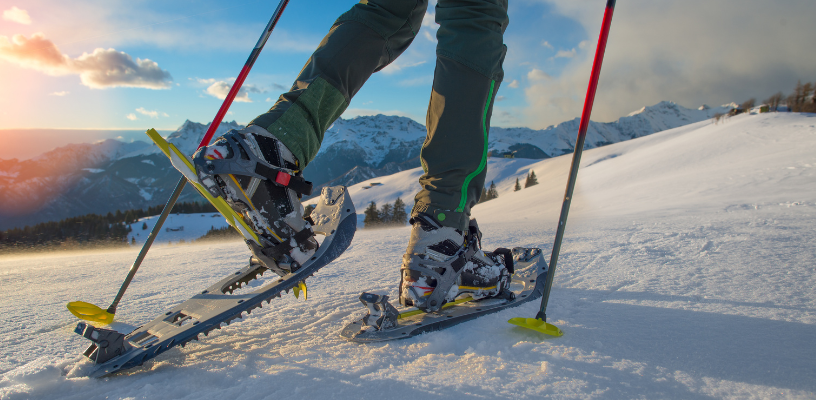
Snowshoes are essential gear for traversing snowy mountain trails and exploring winter landscapes. While selecting the right pair might seem daunting due to various sizes, binding types, and terrain adaptations, our comprehensive guide will help you determine which snowshoes best fit your needs.
The History of Snowshoes
With a history spanning thousands of years, the earliest snowshoe designs featured wooden frames wrapped with rawhide straps, primarily used for hunting. Their ingenious design effectively distributed body weight over a larger, flatter surface, preventing users from sinking into soft, deep snow. Over time, snowshoes evolved, incorporating lightweight aluminum frames and durable plastic or flexible rubber decking. This modern construction offered enhanced durability and superior flotation. Most contemporary snowshoes still adhere to these traditional design principles, featuring sturdy frames, heel lifts (to support the heel on inclines), and secure bindings. Additionally, many models are equipped with aggressive, sharpened crampons – integrated into the steel frame – to provide grip on steep, icy, or hard-packed snow.
Benefits of Snowshoeing:
- Enable effortless exploration of snowy mountain routes, frozen surfaces, and deep, soft snow, minimizing effort and preventing sinking.
- User-friendly equipment suitable for all ages and skill levels, including beginners and children.
- Perfect for recreational hikes and leisurely walks in diverse snow conditions.
Snowshoes come in various models and designs, each tailored for specific types of terrain. Therefore, it’s crucial to assess the landscape before embarking on your adventure. Generally, snowshoes are categorized into three main types: flat terrain, varied terrain, and mountainous terrain. A distinct category exists for running or aerobic snowshoes, specially designed for intense workouts and rapid movement.
This type of snowshoe is ideal for recreational excursions on gentle, flat terrain, such as simple trails, rolling hills, and plateaus. Flat terrain snowshoes typically feature a straightforward binding system, modest traction (often with smaller cleats), and usually lack heel lifts, making them less suitable for steep ascents.
Designed for flat and moderately inclined terrain, these snowshoes are distinguished by more robust crampons that ensure excellent grip and a strong, easily adjustable binding system. They often include heel lifts to facilitate easier excursions on varied or moderate mountain slopes.
Mountainous terrain snowshoes are engineered for navigating steep and/or icy landscapes. They boast an aggressive system of crampons under the balls of the feet, smaller crampons under the heel, and sometimes side rails along the frame for maximum adhesion. These advanced models feature sophisticated binding systems and integrated heel lifts. Mountain snowshoes are generally quite light, allowing for comfortable wear over long periods and easy attachment to a backpack when not in use. They excel on challenging routes and in backcountry conditions.
Running snowshoes are tailored for individuals planning intense aerobic training or those who wish to move swiftly over hard-packed snow or groomed trails. These types of snowshoes are exceptionally lightweight, allowing the foot to perform a full range of motion, though they typically offer less flotation. Furthermore, running snowshoes are equipped with specialized bindings designed to accommodate running shoes, securing the foot tightly for a stable platform with every stride.
The choice of snowshoe size is primarily determined by the total load you’ll be carrying, which includes your body weight (dressed in winter clothing) combined with the weight of your gear (backpack, food, camping equipment, sleeping bag, crampons, trekking poles, etc.). Always refer to the manufacturer’s specific size charts for recommended weight ranges. Common weight intervals include up to 80 kg, up to 100 kg, up to 120 kg, and up to 140 kg. Some snowshoe models are available in a single dimension; in such cases, verify that the maximum load capacity meets your requirements. Remember, the heavier the load you carry, the greater the snowshoe’s surface area needs to be for proper flotation – its ability to stay on top of the snow. If the indicated weight intervals are too small for your needs, consider special tail extensions, which can increase the snowshoe’s surface area and load capacity.
The snow conditions you expect to encounter are also a critical factor when choosing snowshoe size. For fresh, powdery snow, longer snowshoes are generally preferred for better flotation. In contrast, compact snow, wet snow, or navigating narrow, winding trails often calls for shorter snowshoes. Even when planning to climb steep, icy slopes, shorter snowshoes are a more advantageous choice.
Most snowshoes are unisex, but there are also models designed specifically for women, featuring a more tailored fit. Snowshoes for children are also available, with weight intervals optimized for young adventurers.
Snowshoe bindings are compatible with most types of winter hiking or mountaineering boots. It is essential that your footwear is waterproof and comfortable to withstand the challenge of covering long distances with snowshoes. A practical accessory for winter travel – whether hiking or skiing – is a pair of gaiters, which will protect your lower legs and boots from snow ingress, for example, when traversing deep snow or stream crossings. To find out more, read our guide:
Gaiter Guide

After considering the terrain, snow conditions, planned physical activities, and estimating your total weight and gear load, it’s time to examine the snowshoe’s construction materials and key components, such as the binding system, crampons, and heel supports.
Snowshoe Construction Materials:
- Plastic Material: Known for their high durability, reliable traction, and relatively low price. Their disadvantages include being rather noisy on frozen or hard-packed snow and their rigidity, which can contribute to a less natural stride.
- Metallic Frame: Typically feature an external aluminum frame supporting a flexible deck (usually made from durable synthetic fabrics). This type of snowshoe is generally lighter and quieter than plastic models, and more flexible, though it can be less rigid and more expensive.
Most snowshoe binding systems are designed to accommodate various hiking and winter boots, but some brands also produce bindings compatible with snowboard boots. The choice of binding type depends on individual preferences. It’s advisable to opt for a simple binding system that can be easily managed while wearing gloves.
Common Snowshoe Binding Types:
- Strap and Buckle: Nylon or similar straps are simply tightened correctly and secured with buckles for a basic, reliable fit.
- Ratchet: Similar to snowboard bindings, these use a ladder strap and a ratchet mechanism for a secure, tight fit.
- Boa System: Utilizes special dials and steel cables to ensure optimal, evenly distributed tension and a precise fit.
The articulation of the binding to the snowshoe frame is also a key factor:
- Limited Rotation / Fixed Pivot: The binding allows for limited rotation, keeping the snowshoe tail closer to your heel. This design is often found in recreational models and offers efficient strides with improved control.
- Free-Rotating Hinge: Due to their high degree of mobility, these bindings allow for full foot articulation, making them suitable for activities such as steep climbing and running.
If you are a skier or snowboarder who plans to use snowshoes for backcountry access, opt for bindings that can be folded or collapsed to be easily stored in your backpack when not needed.
When planning a winter mountain excursion, opt for snowshoes equipped with heel lifts – also known as heel risers or climbing bars. These will support your feet when climbing steep slopes, significantly reducing calf fatigue and allowing your leg muscles to rest.
Alpine or mountainous terrain snowshoes feature high-level crampons prominently fixed under the balls of the feet (and sometimes at the heel of the binding), designed to constantly penetrate the surface during your walk and guarantee superior traction. The most aggressive crampons, for example, are often V-shaped. Additionally, some models may feature aggressive teeth or side rails along the frame for enhanced safety when traversing off-route or on icy slopes.
Snowshoeing does not require specialized courses or extensive training. Once you’re equipped, simply start walking as you normally would, placing one foot in front of the other. Look forward and maintain a slightly wider stance than usual to avoid stepping on the other snowshoe, which could lead to a fall. Try not to lift your feet too high and maintain a natural stride length as much as possible. Use trekking poles or ski poles for stability, especially on steep climbs. Don’t forget to ensure your bindings are snug and that any buckles or straps are positioned on the outside of your legs to prevent snagging or discomfort during your excursions.