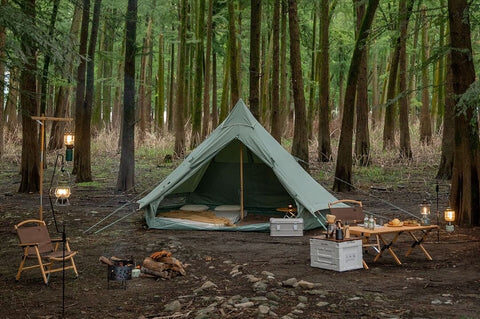
Sleeping soundly in an unfamiliar environment can be a challenge, especially when that environment is the great outdoors. Let’s explore the key factors that can impact your comfort and practical strategies to ensure a peaceful night’s rest under the stars.
Choosing Your Campsite Wisely
Established campgrounds often provide numerous amenities, such as designated tent pads, picnic tables, fire pits, as well as restrooms, electrical hookups, and water. Whether you’re pitching a tent for a rustic adventure or parking a luxury RV, here are crucial location considerations:
Level Ground: Regardless of whether you’re setting up a tent, parking a camper van, or driving an RV, your sleeping area must be level. An uneven surface can lead to an uncomfortable night, potentially causing you to wake up bunched at one end of your sleeping space.
Ground Surface: This is vital for both tent camping and sleeping under the open sky. You should steer clear of sharp rocks, roots, or other protrusions that could disturb your sleep or damage your gear. Ideal surfaces include soft patches of grass or sandy areas. Whenever possible, choose a slightly elevated spot. For example, pitching your tent at the base of a hill risks rainwater flowing directly into your tent during a downpour, even if you’re not near a lake or stream. Aim for the highest point in your designated camping area if feasible.
Protection from Elements: Setting up your tent or parking your RV in an open area is excellent for synchronizing your body’s circadian rhythm with natural sunrise and sunset. However, if you prefer to sleep in, seek out a shaded location to block the early morning sun. Similarly, in areas prone to strong winds, setting up camp near large boulders or dense trees can provide a natural windbreak. If camping near water, always be mindful of potential flood zones.
Proximity to Facilities: If frequent bathroom trips are a concern during the night, you might prefer a campsite close to the restrooms. For those seeking a more rugged experience, simply ensure you identify a discreet and appropriate spot for a natural bathroom before nightfall.
Essential Gear for a Good Night’s Sleep
A wide array of products is available to enhance your sleeping comfort while camping. Let’s explore some key examples.
Sleeping Bags
With countless sleeping bags on the market, selecting the right one can be daunting. We’ve broken down the fundamentals to help you get started. Remember, it’s often practical to own (or rent!) different camping gear, especially sleeping bags, for various seasons, conditions, and temperatures!
Shape
Mummy Sleeping Bags: Designed to resemble an Egyptian mummy, these bags, when fully zipped, expose only the sleeper’s nose and mouth. They offer a snugger fit and can feel more restrictive, but this form factor provides superior insulation, making them ideal for cold nights.
Rectangular Sleeping Bags: This is a more traditional design that offers ample room for movement. These bags provide less insulation and are generally best suited for temperatures above freezing.
Semi-Rectangular Sleeping Bags: Featuring a tapered design from top to bottom, these bags strike a balance. They are warmer than traditional rectangular bags but offer more room than the more constrictive mummy bags.
Temperature Ratings
Summer Bags: Perfect for warmer conditions (typically down to 30 degrees Fahrenheit), these bags often feature full-length zippers for maximum ventilation if you get too warm. They are also lightweight and can pack down to a small, manageable size, making them easy to carry on hikes.
Three-Season Bags: Versatile for a range of conditions, these bags are rated for temperatures as low as 20 degrees Fahrenheit but perform optimally between 15 and 30 degrees. They are ideal for spring and autumn trips, as well as summer excursions to higher altitudes where nighttime temperatures drop significantly. These bags typically include features like hoods, draft collars, and insulated zipper tubes.
Winter Bags: Designed for extreme cold (below 15-20 degrees Fahrenheit), winter bags feature cinchable hoods, draft collars, and insulated zipper baffles similar to three-season bags, but with significantly more insulation to keep you warm in freezing conditions. However, they are heavier and bulkier to transport.
Down vs. Synthetic Fill
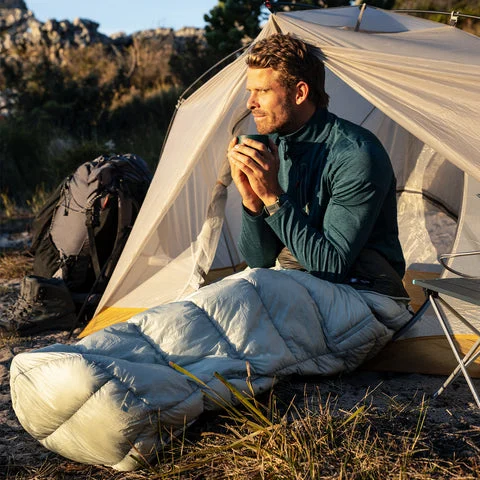
The type of insulation material can significantly influence comfort and performance. While natural down was once the unchallenged leader for warmth-to-weight ratio, synthetic insulation has made considerable advancements. Down-filled sleeping bags are generally more compact and lightweight than their synthetic counterparts, making them ideal for backpacking. However, they typically come with a higher price tag. Most synthetic bags are filled with polyester fibers, which, unlike down, are hypoallergenic. Both types offer excellent warmth and durability. If you’re looking for a straightforward, affordable, and reliable camping bag, synthetic might be your best option.
Sleeping Pads
While a patch of grass under your tent might initially feel soft, you’ll likely appreciate an additional layer of cushioning and insulation between yourself and the ground. For enhanced comfort, sleeping pads are an excellent investment.
Air Pads
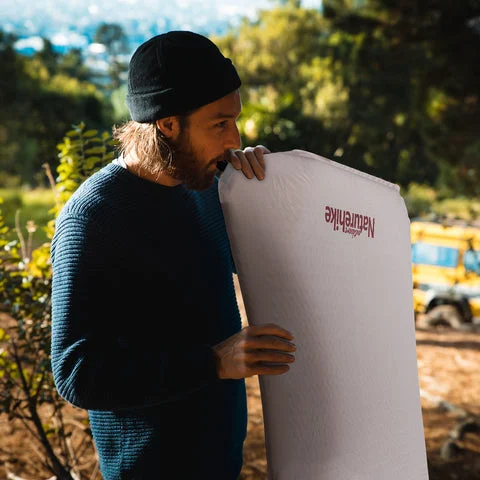
Many air pads require manual inflation (either by breath or with a pump), but they pack down incredibly small. Truly compact and durable air pads often cost more than other types of sleeping pads. If you’re car camping, you might opt for a slightly heavier air mattress for maximum comfort. For backpackers, ultra-lightweight versions are available, taking up minimal space but often at a higher price point.
Self-Inflating Pads
These pads feature an open-cell foam core and a valve that allows them to quickly and easily self-inflate to a certain degree. They typically fall in the mid-range for both price and weight.
Dimensions
Sleeping pads commonly measure 20 inches wide, but lengths can vary. Full-size pads (usually 72 inches) provide coverage from your shoulders to your feet. However, if minimizing weight and packed size is a priority, a shorter 34-inch length might suffice.
Pillows
Even when sleeping indoors, waking up with a stiff neck is unpleasant. Thankfully, there are several options for those who need head and neck support while camping.
Purpose-Built Camping Pillows
A dedicated camping pillow is a fantastic item to have on hand due to its compact size and portability. While some can be pricey, both inflatable and compressible foam options are available to suit different preferences and budgets.
Bring Your Own
If you have extra space in your backpack or are car camping, a pillow from home can be perfectly adequate. Consider the material; a synthetic pillowcase is a good idea as it won’t absorb moisture as readily as cotton.
Improvise
When lightweight packing is a top priority, a tried-and-true alternative is to stuff clothes into a pillowcase or a dedicated stuff sack. This creates a surprisingly comfortable, custom-sized pillow.
Understanding Your Environment
Being immersed in nature offers numerous benefits. However, the outdoors also presents various elements that can disrupt sleep. Let’s look at common nuisances and how you can prevent the discomfort they might cause:
Wildlife Encounters
When camping in the wilderness or even at an established campground, you are spending the night in the habitat of countless wild species, from tiny rodents to bears. Here are some tips for staying safe and secure:
- Sleep inside a tent, camper van, or RV rather than directly under the open sky.
- Pitch your tent away from obvious animal trails and dense brush.
- Ensure all food is stored in bear-resistant containers or hung from a tree, away from your sleeping area.
- Dispose of all garbage properly and immediately; never leave food scraps or waste around your campsite.
- Avoid burning food scraps in campfires, as the smells and oils can attract unwanted wildlife long after the fire has gone out.
- Keep a flashlight or headlamp readily accessible once darkness falls.
Insects
Camping often means encountering various insects, which can be particularly bothersome at night. Mosquitoes, flies, bees, spiders, and ants can all make their presence known. However, there are effective ways to prevent them from disturbing your sleep:
- Use insect repellents containing DEET or picaridin. Look for water-resistant formulas if possible.
- For a more natural approach, try essential oil blends, particularly those containing thyme, eucalyptus, sage, rosemary, lemongrass, or basil.
- Natural repellents like white vinegar or apple cider vinegar can also be effective; spray them on your skin or around your campsite.
- Light insect-repelling candles, such as those with citronella, or use portable insect repellent diffusers.
- Strategic placement of strong-smelling items like onion, garlic, or citrus peels can help deter some pests.
- Cover exposed skin with clothing, especially during dusk and dawn when many insects are most active.
- Avoid using scented body care products like lotions, deodorants, and shampoos, as they can attract insects.
- Keep your campsite clean and dispose of all trash promptly and properly.
- Always keep your tent completely zipped to prevent pests from entering.
- Consider a tent with fine mesh screens on windows and doors.
Noise
The vastness of nature can be both wonderfully quiet and surprisingly noisy. This can be especially disruptive at night, with buzzing mosquitoes, chirping crickets, or rustling leaves. Earplugs are an excellent solution to drown out ambient noise and are compact and easy to pack!
Light
The dawn light is a beautiful natural phenomenon. However, if you’re hoping to sleep late, you might want to block out the morning sun. A simple eye mask can be incredibly effective in ensuring darkness for an extended sleep.