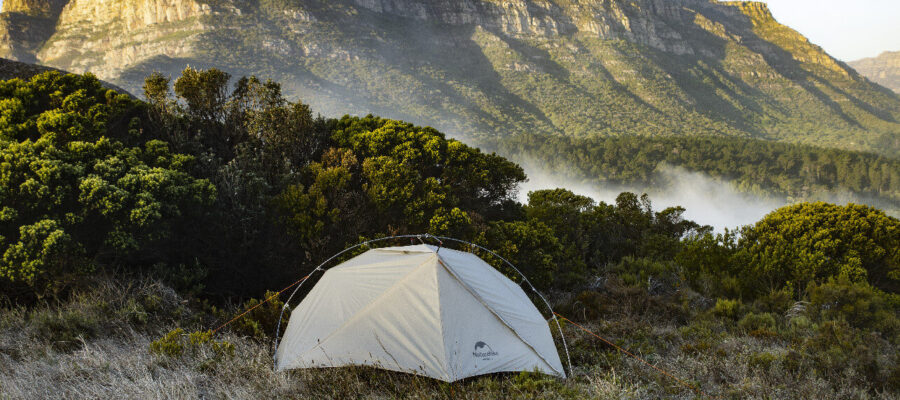
Venturing into the great outdoors for camping offers a refreshing escape from daily life, allowing us to reconnect with nature, breathe fresh air, and de-stress. However, ensuring a safe and problem-free experience requires proper preparation and adherence to expert advice. This guide provides crucial safety tips recommended by seasoned professionals to help you navigate various outdoor scenarios and enhance your camping adventure.
Strategic Campsite Selection for Enhanced Safety
1. Rainy Season Precautions: During periods of heavy rainfall, choose your campsite carefully, steering clear of valleys, ravines, and riverbanks prone to flash floods. Proximity isn’t just about horizontal distance; ensure your tent is pitched at least 1.5 meters (approximately 5 feet) above the water level if camping near a waterway. Always be prepared to relocate swiftly if severe weather conditions escalate.
2. Mountainous Terrain: When camping in mountainous regions, prioritize sheltered spots that offer protection from high winds. Strong winds common at elevated altitudes can not only damage your tent but also significantly amplify the chill factor, leading to discomfort and potential hypothermia. Seek areas naturally shielded by rock formations or dense tree cover.
3. Beachside Camping: Prioritize understanding tidal patterns when choosing a beach campsite. It’s generally advisable to avoid pitching your tent directly on the wet sand close to the water’s edge. Instead, look for higher ground. If you must camp on the sand, observe the high-tide marks left by previous water levels on nearby coral reefs or debris, and ensure the sand beneath your chosen spot is completely dry, indicating it’s above the typical tide line.
4. Sandy Ground Anchoring: Traditional tent stakes are ineffective in loose sand. For secure pitching on sandy ground, always utilize specialized sand stakes. These are typically longer, wider, and feature an elongated hook or barbed design for superior grip and stability, preventing your tent from shifting or blowing away.
Food and Provision Management
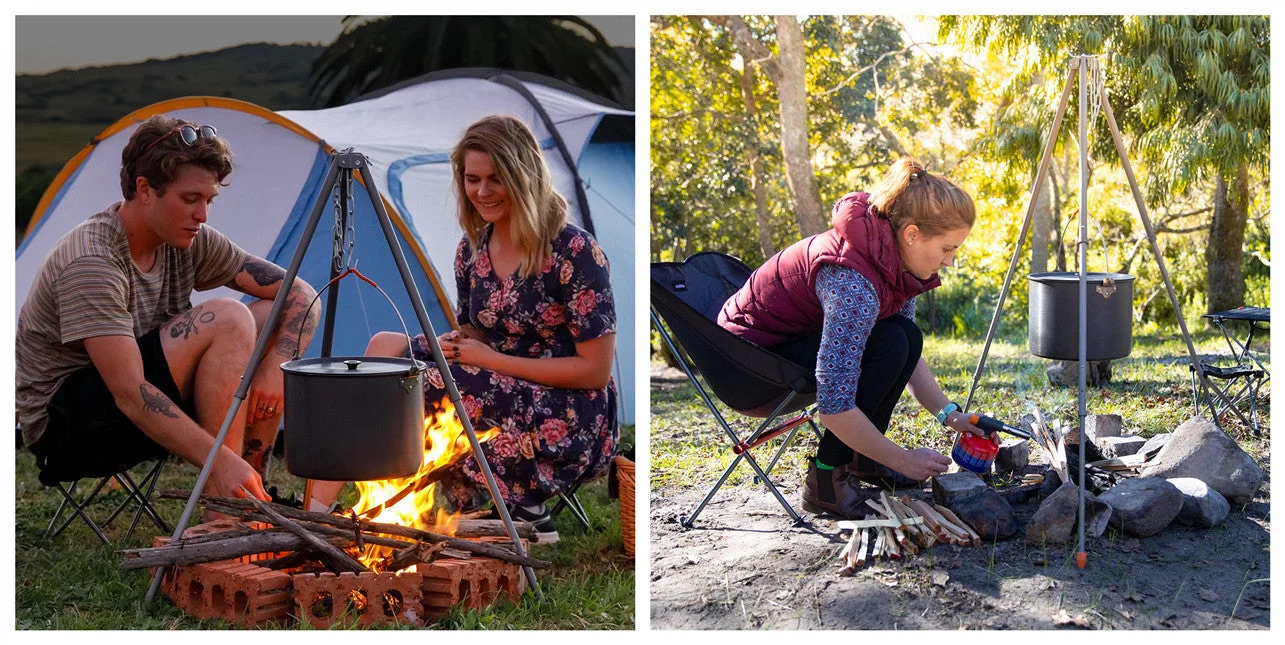
1. Secure Food Storage: Always store your food items properly, ideally in airtight, hard-sided containers. This is especially critical in wilderness areas, particularly jungles or bear country, where food odors can attract wildlife, including dangerous carnivores. Suspend food from a tree or use bear-resistant canisters where appropriate.
2. Essential Supplies & Cooking Safety: Pack ample non-perishable dry food, a sufficient supply of clean drinking water, and a comprehensive first-aid kit. Never cook inside your tent; fumes, fire risk, and potential carbon monoxide poisoning are serious hazards. Always cook in a well-ventilated outdoor area, away from flammable materials.
Appropriate Clothing and Footwear
1. Manage Loose Clothing: If wearing loose-fitting clothing, it’s advisable to secure pant legs and shirt cuffs, especially when hiking through dense brush or near open flames. This prevents snagging, reduces exposure to insects, and minimizes fire hazards.
2. Comfortable and Protective Footwear: Wear sturdy, anti-slip shoes that fit well and are suitable for the terrain. To prevent painful blisters, if you feel any rubbing or discomfort on your foot, immediately apply a preventative bandage or moleskin to the area before a blister forms.
Personal Safety and Awareness
1. Accessible Tools: Always keep essential tools like a reliable knife and a working flashlight within easy reach inside your tent, especially at night. In an emergency, a knife can be crucial for quickly cutting your way out of the tent, and a flashlight is indispensable for navigation or deterring wildlife if encountered.
2. Morning Awareness: Upon waking, exercise caution before exiting your tent. Gently open the tent door and visually inspect the immediate surroundings for any signs of wildlife, poisonous snakes, or insects before stepping out. This simple check can prevent unexpected bites or encounters.
For more expert camping insights, wilderness survival techniques, or information on quality outdoor products, be sure to explore our blog or connect with us on social media platforms like Facebook and Twitter. We regularly share updated tips and resources to enhance your adventures.
Conclusion
In summary, incorporating professional camping advice into your outdoor planning is paramount for a safe, comfortable, and ultimately more rewarding experience. From selecting the ideal campsite to managing provisions, dressing appropriately, and practicing personal vigilance, each tip contributes to mitigating risks and preparing for unforeseen challenges. By adopting these best practices, both novice and experienced campers can confidently embrace the tranquility and excitement that nature offers.
Beyond the practicalities of safety, engaging with the natural world through camping provides invaluable opportunities for mental rejuvenation and physical well-being. The calming effects of fresh air and open spaces reduce stress and promote a deeper connection to our environment. Whether seeking adventure, relaxation, or personal growth, a well-prepared camping trip allows you to fully immerse yourself in the beauty of the outdoors, leaving you with lasting memories and a refreshed spirit.