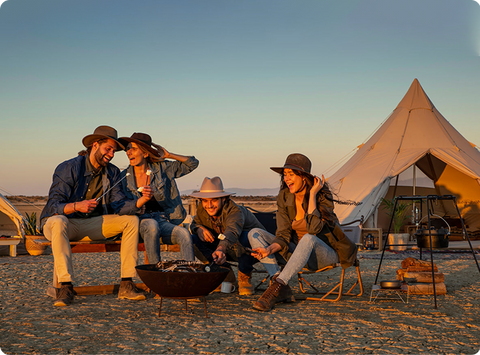
What began as a form of military or athletic training, camping has gracefully evolved into a beloved recreational pursuit for people from all walks of life. A central element of the camping experience often involves building a bonfire. Beyond its crucial role in deterring wild animals, a campfire serves as an indispensable tool for cooking – whether burning, frying, boiling, or simply warming camping provisions. Mastering the art of making a camping fire is therefore a fundamental skill for any outdoor enthusiast.
At its core, camping is a cherished leisure activity where individuals, typically equipped with tents and essential gear, venture out of urban settings into natural environments for one or more nights. This outdoor pursuit is frequently intertwined with a host of other enriching activities such as hiking, fishing, swimming, or exploring local flora and fauna, enhancing the overall wilderness experience.
Camping has long been integrated into human education and recreational sports, valued for its ability to foster self-reliance, teamwork, and an appreciation for nature. Globally, one of the most significant collective camping initiatives has been the “Muslim Youth Campsite,” showcasing the community-building power of shared outdoor adventures.
Exploring Diverse Camping Styles
Camping can generally be categorized into three primary types: the widely practiced traditional camping, the convenient RV or trailer camping, and the adventurous specialized camping.
Traditional Camping
This category encompasses camping trips undertaken on foot or with standard vehicles, commonly set up in picturesque locations like river valleys, lakeside shores, or coastal areas. Participants often engage in various outdoor activities such as setting up tents, enjoying barbecues, picnicking, or communal singing around a campfire. This is arguably the most prevalent form of camping. Enthusiasts who regularly partake in these activities, alongside other outdoor sports, are frequently referred to as backpackers or conventional campers.
RV and Trailer Camping
Trailer camping involves traveling and staying in a specialized recreational vehicle (RV), often called a “mobile home,” in natural settings. These caravans are typically equipped with amenities akin to a conventional house, including heating or air conditioning systems, electricity supply, and often a fully functional kitchen. Unlike traditional backpackers, those who choose RV camping enjoy a greater degree of comfort and convenience while immersing themselves in nature.
Specialized Camping
This refers to camping undertaken for unique and challenging activities, such as extended mountaineering or long-distance climbing expeditions. These demanding ventures can span several days, requiring climbers to set up temporary shelters, often suspended from rock faces, for overnight rest. While inherently dangerous, this type of camping offers unparalleled excitement and a profound connection with extreme natural environments.
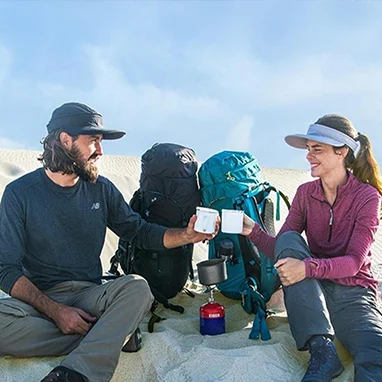
Essential Camping Checklist
→ Your comprehensive camping control list
A well-prepared camping checklist is crucial to ensure you have all the necessary equipment for a successful outdoor adventure!
Key Camping Provisions
- Cooking and kitchen supplies
- Appropriate clothing and footwear
- Personal hygiene and toilet items
- Cleaning supplies
- First aid kit
- Miscellaneous essentials:
- Insect repellent
- Cleaning products
- Any necessary medications
- Compass/Navigation tools
→ How to select the ideal camping sleeping pad/mattress
→ Tips for choosing the perfect camping hat
→ Guide to selecting appropriate camping shoes
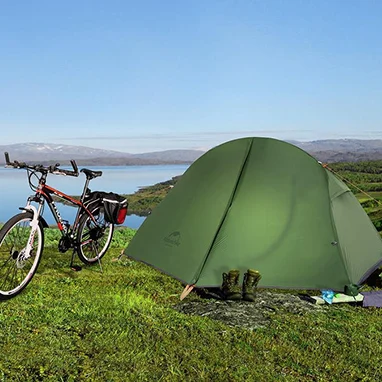
Mastering Your Camping Tent
→ How to choose the right tent?
→ Step-by-step guide to setting up a tent?
A camping tent is undoubtedly an essential piece of equipment. Understanding how to properly pitch a tent, selecting an optimal campsite, and choosing the right tent for your needs are vital skills for any camper.
Steps to Pitch a Tent:
- Verify the tent’s integrity and ensure all accessories are present.
- Identify and prepare a suitable, level pitching spot.
- Lay down a ground tarp or footprint.
- Assemble the tent poles and frame.
- Attach and secure the tent fabric to the frame.
Crucial Camping Safety Advice
→ Valuable tips for safe camping
Potential dangers to be aware of during your camping trip:
- Human-related factors (e.g., inexperience, poor planning)
- Environmental hazards (e.g., wild animals, poisonous plants)
- Weather-related risks (e.g., storms, extreme temperatures)
- Combined risk factors
→ Essential hiking tips for beginners
→ The ultimate checklist for day hikes
Securing Water in the Wilderness
→ How to find and purify water in the wild?
7 Practical Methods for Obtaining Water in Nature:
- Utilize your five senses for clues.
- Assess climate and soil moisture conditions.
- Locate water sources based on plant growth.
- Observe animal and insect activity for water indicators.
- Anticipate water availability based on time-of-day changes.
- Extract water directly from specific plants.
- Explore other resourceful ways to find hydration.
Igniting a Fire in the Wild
→ How to start a fire in a wilderness setting?
Here are several proven suggestions and methods to help you successfully create fire in nature.
- Striking stones (flint and steel)
- Using batteries with conductive material
- Friction methods (e.g., bow drill, hand drill)
- Employing concave/convex lenses to focus sunlight
- Utilizing natural rattan (for friction)
- Sparking with natural stones (pyrite, etc.)
Conclusion
In conclusion, camping is a timeless recreational activity that allows individuals to escape the clamor of urban life and fully immerse themselves in the tranquility of nature. It typically involves spending one or more nights outdoors, most commonly in tents, and is intrinsically linked to a variety of other enriching leisure pursuits such as hiking, fishing, swimming, and exploring the natural surroundings. These complementary activities significantly enhance the overall camping experience, providing both opportunities for deep relaxation and thrilling adventure.
Historically, camping has played a pivotal role in both education and recreational development. It imparts essential life skills to participants, especially youth, including teamwork, practical problem-solving, basic survival techniques, and a profound sense of environmental responsibility. Through these formative experiences, individuals not only acquire valuable practical abilities but also cultivate a deeper appreciation for the natural world and a commitment to its preservation.
Collective camping initiatives, such as the widely recognized “Muslim Youth Campsite,” powerfully illustrate how camping can unite diverse groups of people. Such gatherings foster strong social connections, facilitate shared learning, and encourage cultural exchange. Organized camping events underscore the significant educational, social, and recreational benefits of outdoor living, offering participants structured avenues for personal growth while engaging meaningfully with their peers.
Overall, camping transcends the definition of a mere leisure activity; it is a holistic experience that seamlessly blends recreation, education, and social interaction. Whether undertaken as a solitary retreat, a memorable family outing, or as part of a larger organized group, camping actively encourages individuals to disconnect from daily stresses, forge a stronger bond with the natural world, and create enduring memories. Its consistent popularity across generations, cultures, and lifestyles reaffirms its enduring ability to adapt and provide countless joys and benefits to all who embrace the call of the outdoors.