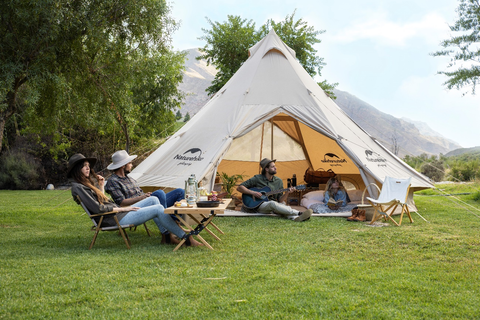
For millennia, humans have embraced the great outdoors through camping, a timeless pursuit connecting us to nature in its purest form. Glamping, however, represents a more recent evolution of this experience. At its core, glamping is a blend of “glamorous” and “camping,” offering a high-end, comfortable, and often luxurious alternative to traditional roughing it. While classic camping might involve a modest tent and minimal amenities, glamping typically elevates the outdoor stay with greater comfort and convenience, transforming a simple overnight into a sophisticated retreat. This might manifest as a fully equipped caravan, a cozy camper, or unique structures providing entertainment beyond just a campfire tale.
- Accommodation Style
- Sleeping Comforts
- Restroom Facilities
- Culinary Preparation
- Showering Experience
- Climate Control
- Evening Meal Options
- Water Access
Accommodation Style
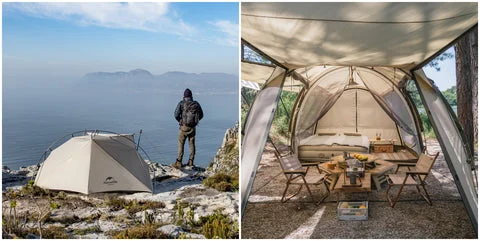
Camping: Traditional camping centers around pitching your own tent in a natural, often remote setting, aiming to immerse yourself in the wilderness with minimal barriers.
Glamping: Glamping offers pre-assembled, furnished shelters like yurts or stylish cabins, often equipped with modern conveniences such as refrigerators and electricity, usually situated conveniently near local attractions or dining options.
Sleeping Comforts
Camping: A classic camping night often means sleeping on the ground in a sleeping bag, beneath the vast expanse of the starlit sky, embracing simplicity.
Glamping: In contrast, glamping typically provides a plush double bed with fresh linens, perhaps within a transparent dome or an opulent tent, allowing you to gaze at the stars from ultimate comfort.
Restroom Facilities
Camping: For many traditional campers, nature serves as the primary restroom, embracing the raw wilderness experience, though this aspect isn’t always lauded for its convenience.
Glamping: Glamping elevates this experience with private, often themed, full-service bathrooms, offering comfort and privacy within a natural setting.
Culinary Preparation
Camping: Gathering firewood and cooking simple meals like hot dogs or s’mores over an open flame is a quintessential and enjoyable part of the camping adventure.
Glamping: Many glamping setups, such as RVs or luxurious tents, come with equipped kitchenettes or outdoor grills, allowing for gourmet cooking and enjoyable meals in nature, sometimes even alongside a campfire.
Showering Experience
Camping: Showers are often a luxury in traditional camping; many embrace going without, or opt for basic portable shower solutions when needed.
Glamping: Glampers, on the other hand, typically have access to fully functional private bathrooms, often featuring beautiful, hot showers, akin to a spa retreat.
Climate Control
Camping: Managing temperature in a tent relies on natural methods: adjusting tent flaps, using appropriate sleeping bags, and layering clothing to adapt to the elements.
Glamping: Glamping accommodations frequently provide modern climate control systems, including air conditioning and heating, ensuring optimal comfort regardless of external weather conditions.
Evening Meal Options
Camping: Camping meals are part of the rustic charm, featuring classic outdoor dishes like hot dogs, s’mores, and hearty Dutch oven recipes.
Glamping: Glamping simplifies meal preparation. Most yurts, caravans, or cabin parks feature barbecues or ovens, along with refrigerators, enabling a wider and more varied menu for your outdoor dining.
Water Access
Camping: When camping traditionally, finding a clean water source, often a nearby stream, is essential, and filtering or boiling may be necessary for safe consumption.
Glamping: The majority of glamping sites are equipped with convenient, on-site filtered water sources, providing hassle-free access to potable water.
Conclusion
The journey from traditional camping to the emergence of glamping beautifully illustrates how outdoor recreation has diversified to meet the varied preferences of contemporary adventurers. While camping has served for millennia as a fundamental means for humanity to connect with the natural world in its most unadulterated form, glamping is a relatively recent phenomenon that artfully marries this primal connection with elements of comfort, ease, and even outright luxury. The very essence of glamping lies in its ability to present the splendor of outdoor living without compelling a sacrifice of the amenities and conveniences that many cherish in their daily routines.
Traditional camping typically champion a philosophy of simplicity—sleeping in a basic tent, preparing meals with minimal equipment, and embracing nature’s unpredictable rhythms. This approach cultivates resilience, fosters self-reliance, and deepens one’s bond with the environment. Conversely, glamping opens the door to outdoor enjoyment for those who might otherwise hesitate to ‘rough it’ in the wild. Its accommodations often range from well-appointed caravans and campers to exquisitely furnished tents, frequently outfitted with comfortable beds, electricity, and various entertainment options. For many, this renders outdoor experiences more approachable, especially for families or individuals seeking relaxation rather than a test of survival skills.
The ascent of glamping does not in any way diminish the inherent value of traditional camping. Instead, it significantly broadens the spectrum of outdoor experiences available to the public. Those who yearn for genuine adventure and simplicity will continue to find profound satisfaction in classic camping, while others who prioritize comfort can immerse themselves in nature without compromising their preferred lifestyle. Both modalities contribute significantly to the burgeoning global popularity of outdoor recreation, encouraging a greater number of individuals to venture outside, disengage from technology, and rediscover themselves and their natural surroundings.
Ultimately, whether one leans towards the rugged authenticity of traditional camping or the sophisticated luxury of glamping, the fundamental reward remains consistent: the unparalleled opportunity to embrace and appreciate nature. Both experiences, in their unique expressions, are instrumental in forging enduring memories and reinforcing the intrinsic human connection to the natural world.