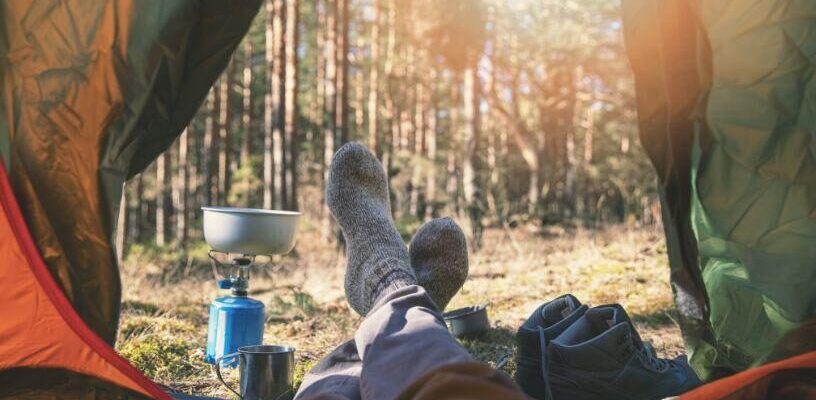
If you’ve often overlooked the importance of your socks during mountain excursions or trekking adventures, it’s time for a fresh perspective. Especially if your past outdoor experiences have left you uncomfortable due to cold, damp feet, or plagued by painful abrasions and blisters. Selecting the right pair of hiking socks, based on your foot size, activity type, prevailing weather conditions, and terrain, is crucial not only for comfort but also for enhancing your performance. Let’s explore the key considerations when choosing the perfect mountain socks.
Specialized trekking socks are an indispensable component of any outdoor enthusiast’s gear, regardless of their activity level, environmental conditions, or movement style. Unlike standard cotton socks, these technical counterparts excel at keeping feet dry, ensuring optimal ventilation, and providing superior impact absorption. This translates to exceptional comfort, significantly reducing the risk of chafing or painful blisters, and ultimately contributing to a more enjoyable outdoor experience. Often, these performance hiking socks are crafted from advanced technical materials with thermoactive properties, frequently enhanced by innovative technologies and features, such as:
- Coolmax – Delivers outstanding breathability and moisture-wicking capabilities, safeguarding against overheating;
- Kevlar – A synthetic fiber renowned for its resistance to tearing and heat, strategically used to reinforce critical areas, thereby extending sock lifespan and boosting shock absorption;
- Indestructawool™ – Smartwool’s proprietary sock construction method, ensuring exceptional durability and consistent comfort in diverse conditions;
- Fit System™ Smartwool – Guarantees the material remains securely in place for an optimal fit;
- WOW™ (Wool on Wool) – Provides additional reinforcement to high-wear areas using Merino wool, enhancing abrasion resistance;
- T2 Anti-Shock Cushioning – Offers superb shock absorption and cushioning for reduced impact.
The ideal material for trekking socks must offer efficient thermoregulation, breathability, moisture management, and robust durability. Your fabric choice should align with personal preferences and the anticipated weather. Among the most popular fibers utilized in crafting this essential piece of mountain apparel are:
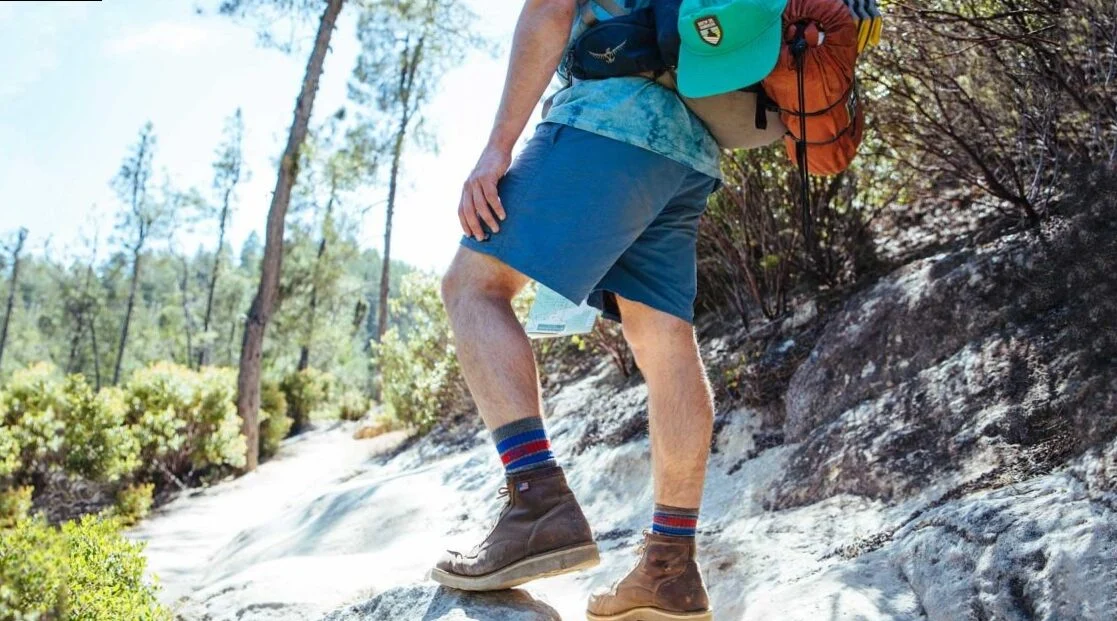
- Merino wool – Sourced from New Zealand sheep, it’s prized for its luxurious softness (non-itchy comfort), high breathability, and remarkable temperature regulation. It keeps you warm in cold conditions and cool on warmer days. Merino wool excels at wicking moisture away, helping to keep feet dry regardless of activity intensity or climate. Furthermore, its natural antibacterial properties effectively prevent the build-up of unpleasant odors, even on extended expeditions. An added benefit is its hypoallergenic nature, making it suitable for sensitive skin;
- Synthetic materials, e.g., polyester and nylon – Valued for their exceptional durability, rapid moisture-wicking, and quick-drying characteristics. Synthetic fibers also boast excellent breathability and an impressive ability to quickly move moisture away from the skin;
- Material blends – Many trekking socks incorporate a combination of different fibers to harness their collective benefits. For instance, synthetic socks blended with Merino wool deliver superior thermoregulation, breathability, and durability, while the inclusion of Spandex (elastane) allows socks to retain their shape and minimizes issues like bunching;
- Bamboo – Socks crafted from bamboo fibers are gaining popularity among outdoor enthusiasts due to their inherent antibacterial properties, luxurious softness, and commendable moisture absorption capabilities.
Conversely, cotton is a material known for its tendency to retain moisture. This means cotton socks will absorb sweat, leaving your feet wet and significantly more vulnerable to irritation, chafing, and even freezing in colder conditions. Cotton offers poor breathability, which, during high-intensity activities or on hot days, can lead to excessive sweating, compounding discomfort and escalating the risk of blisters. Moreover, cotton socks dry much slower than other materials, compromising thermal insulation, intensifying the sensation of cold, and fostering the growth of unwelcome bacteria and odors.
Trekking socks are available in various heights to suit different preferences and footwear:
- Short – Ankle-length or slightly rising above the ankle bone;
- Crew – Reaching approximately one-third up the calf;
- Mid-calf – Extending to the middle of the lower leg;
- Over-the-calf – Reaching just below the knee.
The height of your hiking socks should always complement the height of your trekking shoes or boots. They must be long enough to create a protective barrier against direct skin rubbing from your footwear. Very low socks, while suitable for light hiking shoes or trail running footwear, generally offer inadequate protection against skin abrasion with heavier boots. Ankle-covering mountain socks provide better defense against skin damage and are ideal for low to mid-cut shoes. The crew-length trekking socks, ending a few centimeters above the ankle bone, are a highly popular and versatile choice, offering effective abrasion protection with both high-ankle boots and low-cut models. Over-the-calf socks, on the other hand, are excellent for demanding excursions and climbing. These taller socks not only shield your shins from irritation caused by the upper edge of robust mountain boots but also provide added leg protection against scrapes or insect bites and help maintain warmth when climbing at night or traversing glaciers.
Properly sized trekking socks are paramount for ensuring maximum comfort throughout your mountain expeditions. Begin by accurately measuring the length of both your feet. Grab a sheet of paper, a tape measure, and a pen or pencil. Place your right foot on the paper, mark the tip of your longest toe and your heel, then measure the distance between these two points. Repeat this process for your left foot. Compare your measurements with the specific size chart provided for the sock model or brand you are considering.
When trying on trekking socks, ensure they fit snugly and provide adequate support without causing any discomfort, pressure points, or being excessively loose. Avoid models with surplus material that can bunch up, leading to painful creases or abrasions during your hikes. Look for trekking socks that feature anatomical contours for each foot, as this can significantly enhance fit precision and overall wearing comfort. A sock is perfectly fitted when its heel cup aligns precisely with your actual heel.
When purchasing socks for either summer or winter excursions, several crucial factors demand consideration, including thickness, length, breathability, moisture-wicking speed, drying time, cushioning, durability, and material blend. Aspects such as the duration of your excursions, the prevailing weather conditions, the anticipated terrain, and your personal comfort preferences are equally important. Remember that the percentage of each material used in a particular sock model can vary considerably depending on its intended activity and weather conditions, making it vital to find the blend that best suits your specific needs.
For summer mountain routes, socks composed of Merino wool and synthetic materials, or those made entirely from a blend of synthetic fibers, typically perform best. When opting for a Merino blend for warmer weather, look for summer hiking socks containing fine fibers, perhaps 50-65% Merino wool combined with nylon and a small percentage of Spandex (2-5%). Why is Merino wool suitable for hot days? This is due to its renowned thermoregulating properties, which allow the material to protect against both overheating and inadequate cooling. Alternatively, 100% synthetic summer socks usually feature a blend of polyester, nylon, and Spandex, or polyester, nylon, acrylic, and elastane. This composition contributes to the socks’ durability and flexibility, alongside their excellent breathability.
Irrespective of the material, for summer mountain trips, prioritize light and thin models, typically in a classic crew length, to facilitate optimal air circulation and cooling.
To ensure comfortable and satisfying mountain excursions in snowy, low-temperature conditions, choose durable hiking socks with ample cushioning, designed to provide high thermal comfort and insulate your feet from the cold. Select winter mountain socks that incorporate a blend of wool and synthetic materials (such as nylon, polyester, acrylic, Spandex, etc.) in a ratio typically ranging from 60-80% wool to 20-40% synthetics. This composition will effectively retain heat, efficiently eliminate moisture, and offer superior durability, all while maintaining comfort in truly challenging weather. Furthermore, wool possesses the unique ability to retain warmth even when damp, ensuring your feet stay comfortable in all conditions. Beyond Merino wool, consider socks featuring alpaca wool, known for its softness and excellent insulation without adding significant bulk. High-quality alpaca wool is often even lighter and warmer, making it an outstanding choice for winter expeditions.
Proper and consistent care for your trekking socks is essential to keep them in peak condition, preserve their performance properties (such as breathability), and extend their lifespan. Before washing any specific model of trekking socks, always consult the manufacturer’s care label and recommendations. In most instances, trekking socks can be machine washed, but a delicate cycle, mild detergents, and low temperatures are strongly advised. It’s important to turn them inside out and consider placing them in a dedicated laundry bag, separate from other clothes. This practice helps prevent accidental damage, stretching, or snagging. Avoid washing in hot water and tumble drying, as this can lead to shrinkage, damage, or a loss of the fabric’s elasticity. Additionally, never use bleach, as it can severely damage the technical fibers. Always air-dry your mountain socks in a well-ventilated area, such as on a drying rack, away from direct heat sources like intense sun or radiators.