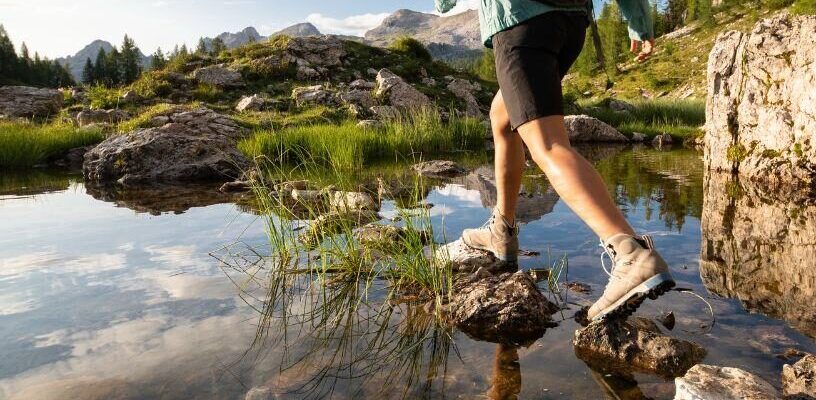
Selecting the right footwear is paramount for ensuring comfort, safety, and optimal performance during your mountain excursions. Trekking shoes are specifically engineered to deliver stability, protection, and comfort for your feet as you navigate challenging terrain. This comprehensive guide will delve into the critical factors for choosing ideal trekking shoes, including upper height and materials, waterproofing features, and various sole types.
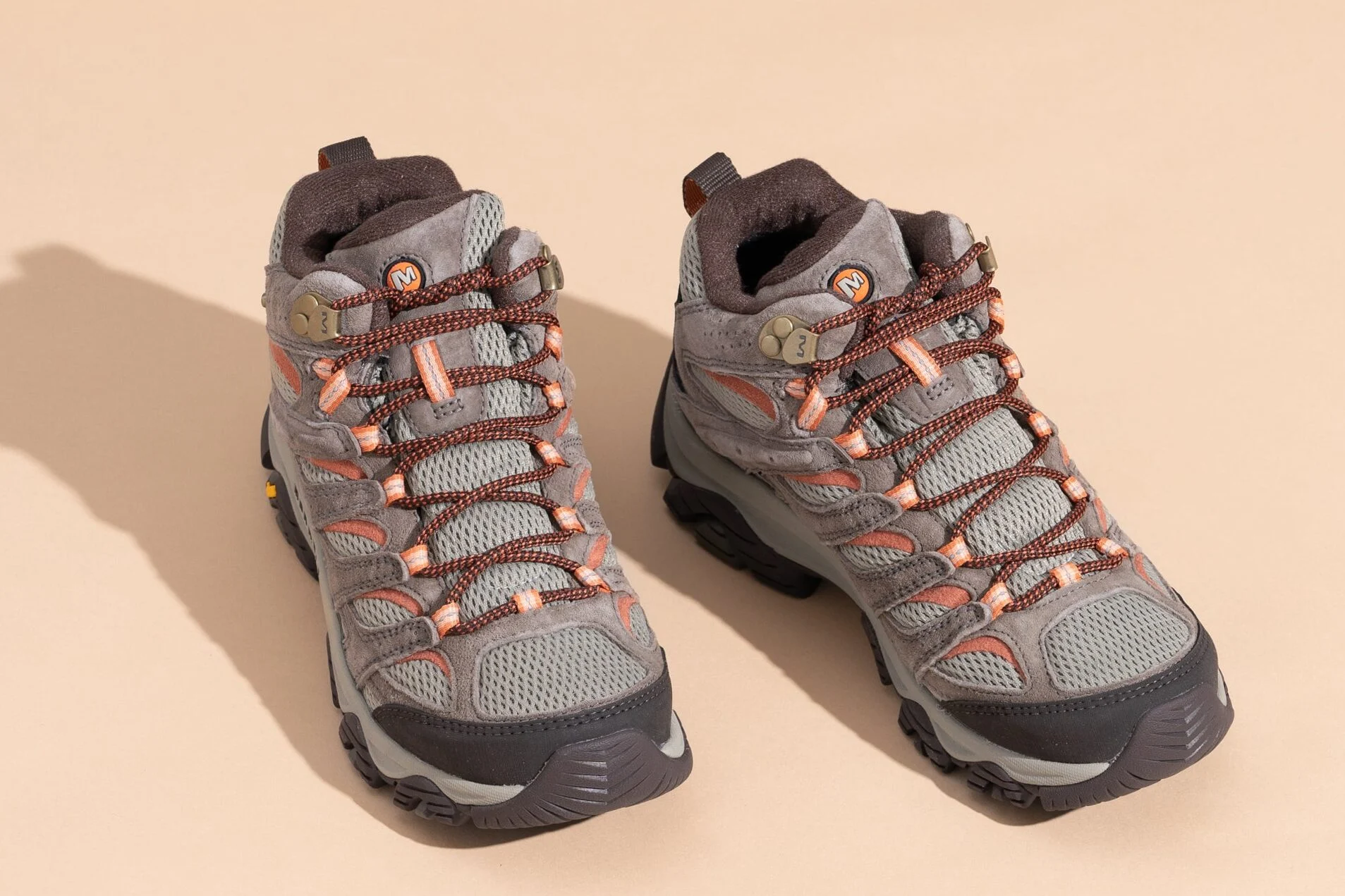
A crucial consideration when selecting appropriate hiking footwear is the type of terrain and the season of your planned adventure. Will you be tackling leisurely summer paths, embarking on multi-day treks across rugged, rocky landscapes, or venturing into extreme winter conditions and high-altitude expeditions? Opting for trekking shoes that are perfectly matched to the specific ground and nature of your trip not only enhances comfort and safety but also significantly impacts your physical endurance and performance.
The sole’s design is equally vital. Depending on the mountain environment you intend to traverse, you might require shoes with an aggressive tread pattern for superior grip on slick surfaces, or a softer sole for enhanced comfort during extended walks. For winter mountaineering or glacier expeditions, a robust sole designed for crampon compatibility is essential. Furthermore, the sole’s rigidity plays a significant role in foot stability when navigating uneven and demanding terrain. The quality of materials used in trekking shoes is another key aspect. Natural leather, synthetic fabrics, and advanced waterproof membranes are commonly employed to guarantee durability, resilience, and protection against the elements.
Beyond the technical specifications, your individual needs and physical parameters are crucial when purchasing hiking footwear. Your experience level and how frequently you hike – whether occasional leisure trips on well-trodden paths or regular, demanding expeditions in high mountain ranges – should guide your choice.
The height of the shoe’s upper is one of the primary features to consider when selecting mountain footwear. The decision between low-cut and high-cut trekking shoes will largely depend on the specific terrain, trail difficulty, and your personal experience level.
Contrary to popular belief, high-top mountain footwear is not exclusively reserved for winter conditions.
High-Cut Trekking Footwear
High-cut trekking shoes are suitable for all seasons and various conditions. Their main advantage lies in providing superior ankle support, significantly reducing the risk of sprains or other ankle injuries. This benefit is invaluable not only on steep, technical, or rocky routes, during via ferratas, or when carrying a heavy
backpack
but also for those new to mountain hiking. High-cut designs also offer added protection for the foot and lower leg against scrapes, bruises, splashes, dirt, and even insects. They are an excellent choice if you’re returning to mountain activities after a foot or ankle injury, or if your daily lifestyle involves reduced physical activity, making extra support beneficial on the trail.
Low-Cut Trekking Footwear
Low-cut hiking shoes
are distinguished by their lightweight construction, flexibility, and excellent ventilation, making them ideal for faster-paced hikes, easier trails, and lower mountain ranges. The lower upper allows for greater freedom of ankle movement, which can be advantageous on flatter or less challenging routes. These shoes are also a preferred option for warmer months, providing superior airflow around the foot and minimizing the risk of overheating, particularly for experienced hikers seeking agility.
Trekking shoes commonly utilize the following materials:
- Natural Leather (e.g., full-grain leather, nubuck, split leather): Renowned for its exceptional durability, abrasion resistance, and protection against rocks, branches, and other trail hazards. Natural leather is also flexible and molds to the foot’s shape over time, enhancing comfort on long mountain treks. However, it requires regular maintenance, including waterproofing, to preserve its protective qualities.
- Synthetic Materials (e.g., nylon, polyester, mesh, eco-friendly fabrics): Characterized by their lighter weight compared to leather, excellent breathability, flexibility, and quick-drying properties. Many manufacturers integrate technologies that render synthetic hiking shoes waterproof or water-repellent, offering protection from moisture. Key benefits include greater resistance to wear and tear and generally less maintenance.
Trekking shoes can be equipped with advanced waterproof membranes, such as the iconic Gore-Tex® (other notable examples include Outdry™ and Omni-Tech™ from Columbia, or Futurelight™ from The North Face), to offer reliable protection against rain and humidity. It’s important to note, however, that these membranes can slightly reduce air circulation, making it a bit harder for water vapor to escape from inside the footwear. This can lead to increased sweating during intense physical exertion. Footwear with a membrane is ideal for variable weather conditions, winter hikes, or areas with high humidity. For warmer summer months, consider hiking shoes without a membrane but with highly breathable mesh panels. Regular waterproofing treatment is also a good practice for all outdoor footwear to minimize water penetration.
The sole type in mountain shoes must be carefully chosen to match the specific terrain. A high-quality sole should provide dependable grip on diverse surfaces and prevent slips on wet or uneven ground. Look for durable, abrasion-resistant soles like Vibram®, which perform well on both slippery and dry conditions. Technologies like EVA foam and Megagrip offer an excellent balance of durability and flexibility. Adequate shock absorption is also crucial to reduce joint strain and fatigue.
Additional important aspects to consider when selecting trekking shoes include:
- Reinforced Toe Cap: Often featuring double rubber, this extends the footwear’s lifespan and protects your toes from impacts with rocks or roots.
- Lacing System: Essential for a secure fit and ankle stability. Pay attention to the ease of lacing and the presence of sturdy hooks and eyelets for precise adjustment.
- Ergonomic, Antibacterial Insole (e.g., Ortholite®): Ensures an optimal foot fit, superior ventilation, and a high level of comfort, crucial for long days on the trail.
Trekking footwear should fit snugly but without causing any discomfort or pressure points, especially around the toes, heel, and ankle. When trying on a model, remember that your feet tend to swell during long and strenuous hikes, so it’s wise to allow a small amount of extra space. For the most accurate fit, try shoes later in the day when your feet are slightly swollen, and always wear the specific trekking socks you plan to use. Walk around in them to assess how they feel, checking for any rubbing or pressure.
How to measure your foot length accurately:
- Gather a sheet of paper, a pencil, and a measuring tape.
- Place your foot firmly on the paper and carefully trace its outline. Repeat for the other foot.
- Measure the distance from the heel to the tip of your longest toe for both feet. Use the measurement from your longer foot.
- Compare your measurement to the manufacturer’s size chart for the chosen trekking shoe model. Remember that sizing can vary slightly between different brands.
When purchasing trekking shoes online, it’s generally advisable to choose a size that provides 0.5-1 cm of extra length beyond your measured foot size.
If you’re looking for robust trekking footwear that will allow you to conquer every mountain kilometer feeling comfortable and safe, regardless of weather or terrain, consider these reputable brands trusted by countless professional and recreational trekkers: Salewa, Alpina, Columbia, Salomon, Dolomite, Helly Hansen, Hoka, Jack Wolfskin, Mammut, Meindl, Scarpa, and The North Face. With a wide array of options, you’re sure to find your perfect pair.